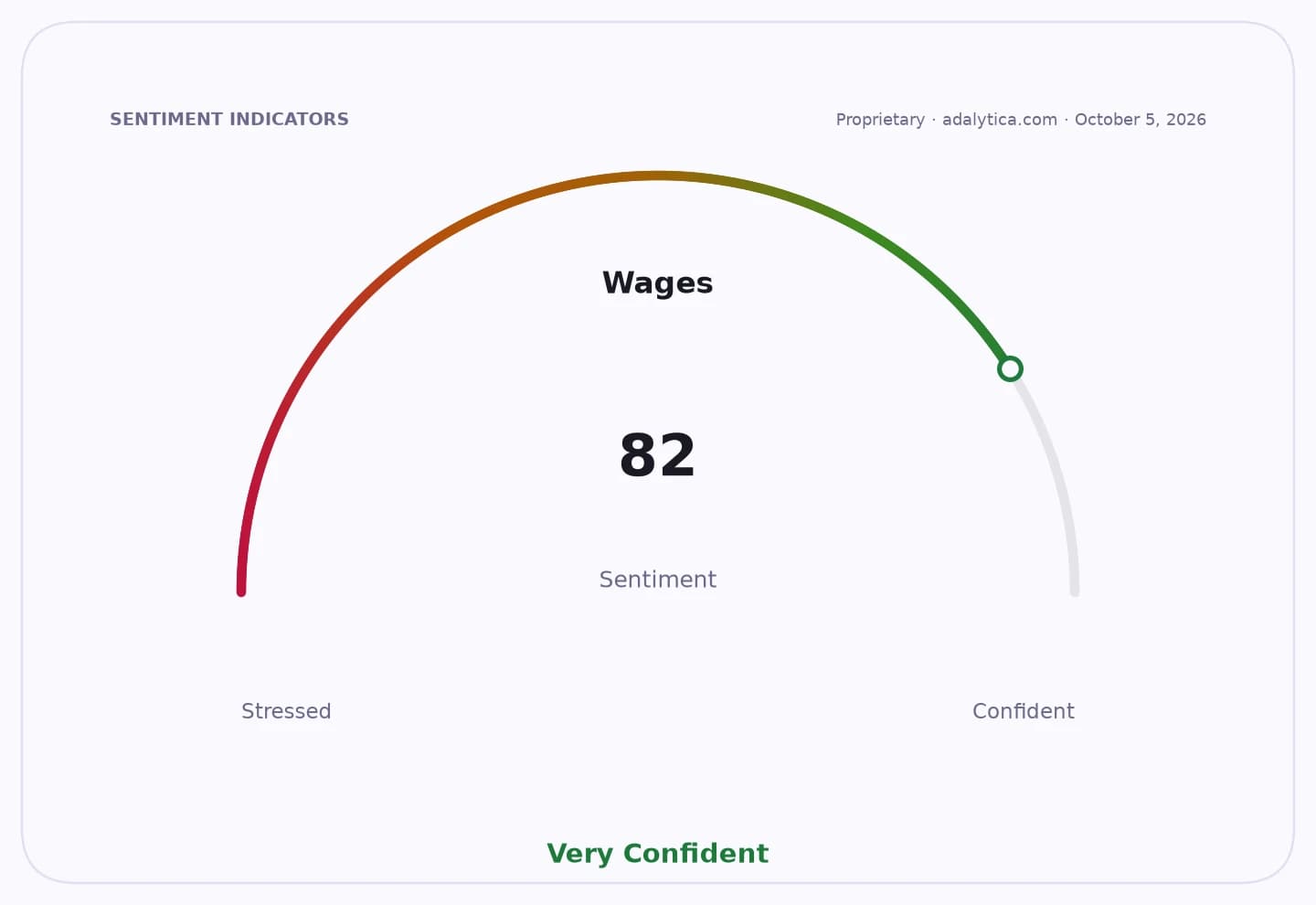
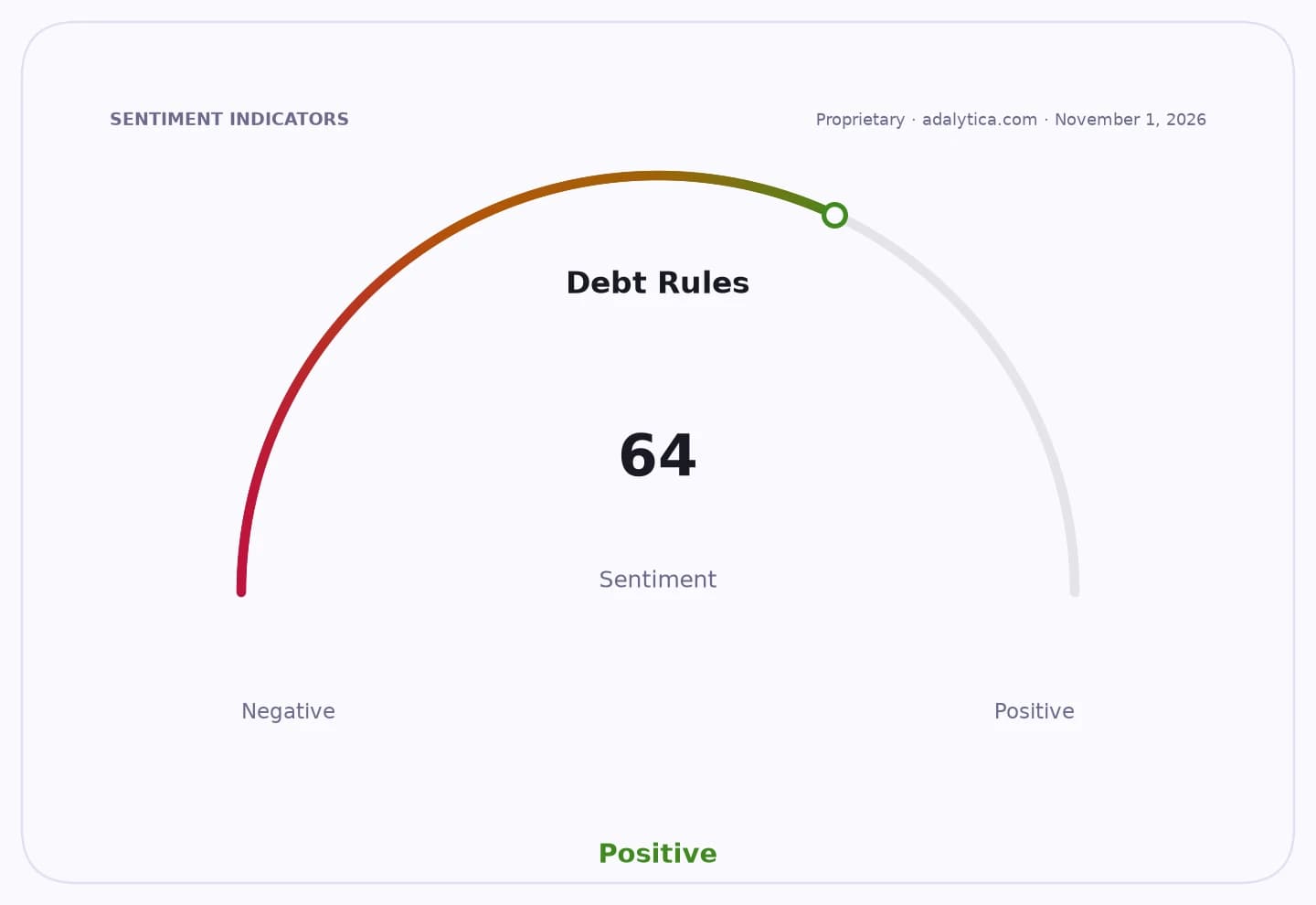
Greece is widening access to debt settlements with the tax authority and social security funds, allowing eligible arrears to be paid over as many as 120 monthly installments, a move that should ease cash-flow pressure on households and small businesses while helping the state recover more unpaid revenue over time.
Greece expands tax debt settlements to 120 installments

The draft bill, submitted to parliament by the finance ministry, lifts the ceiling from 72 installments and extends the pool of debts that can be covered to liabilities that became overdue through Dec. 31, 2024. The minimum monthly payment stays at 30 euros, while applications would be accepted until June 30, 2027. For borrowers already in the current 72-instalment scheme, the transfer to the longer timetable would be optional, but it would also increase the total interest burden because of the extended repayment period.
Sentiment Indicators
The policy matters economically because it changes the pace, not the stock, of debt reduction. By stretching repayments, the government is effectively trading faster monthly collections for higher participation and lower default risk among debtors that might otherwise fall out of compliance. That can support consumption and reduce pressure on smaller firms and self-employed workers, but it also means the state will wait longer to receive the full amount owed. The bill also requires taxpayers to regularize other outstanding obligations, submit the last five years of tax returns, and avoid convictions for tax evasion or smuggling, signaling that relief is being paired with tighter compliance.
The wider package goes beyond arrears relief. It speeds up discharge after bankruptcy to 12 months from 36, removes time limits for restructuring debts tied to state guarantee calls, and tightens rules for loan servicers. Together, those measures point to a more aggressive attempt by Athens to clean up balance sheets and make formal debt workouts more accessible, which matters in an economy where lingering tax and payment arrears can weigh on credit quality and investment decisions.
For investors, the implications are mixed. Greek sovereign risk is not directly being diluted, but a broader, more orderly repayment framework can improve tax collection visibility and reduce the tail risk of sudden write-offs or social pressure for more expansive debt forgiveness. Banks and servicers could see better debtor engagement and fewer chronic delinquencies, though longer maturities also delay cash recovery. Equity investors in consumer-facing businesses may welcome the short-term relief to household liquidity, while creditors will watch whether the government’s softer payment terms come with enough enforcement to preserve fiscal credibility.
The bill fits a broader policy pattern in Europe of using structured repayment plans rather than outright debt cancellation to address arrears after years of inflation, higher borrowing costs and uneven wage growth. The key question now is execution: whether enough taxpayers move into the 120-installment framework to lift collections without creating a culture of delayed payment.
| Entity | Gains | Losses |
|---|---|---|
| Taxpayers with arrears | ▲Lower monthly burden | ▼Higher total interest |
| Greek state | ▲Higher compliance uptake | ▼Slower cash collection |
| Banks and servicers | ▲Fewer chronic delinquencies | ▼Longer recovery horizon |
| Fiscal hawks | ▲Stronger enforcement rules | ▼Less immediate revenue |