Muhyiddin’s push for new rules on how debt losses are shared goes to the heart of a market that is already pricing in more sovereign and corporate restructurings, and it could reshape who gets paid first when countries falter.
Debt loss sharing rules could reshape restructurings
Debt Rules
That matters because the bill for failed debt workouts is no longer an abstract policy question. Credit spreads and risk appetite are already signaling investors are nervous about how losses will be allocated in the next wave of restructurings. The ICE BofA High Yield OAS, a gauge of compensation demanded on lower-rated debt, was at 3.26 percentage points on Oct. 29 after bouncing around 2.88 to 4.16 this year, showing how quickly credit conditions can tighten when default risk rises.
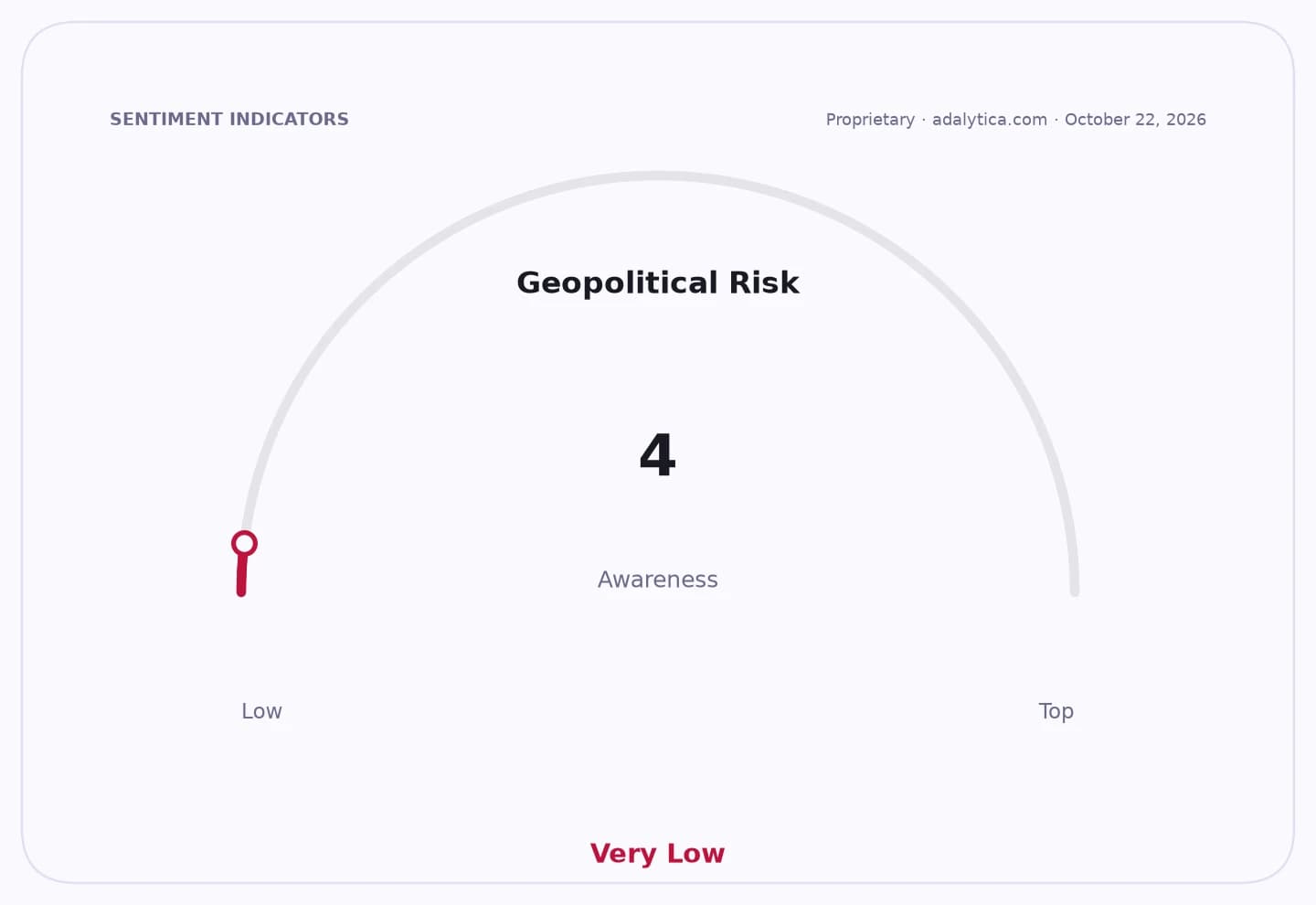
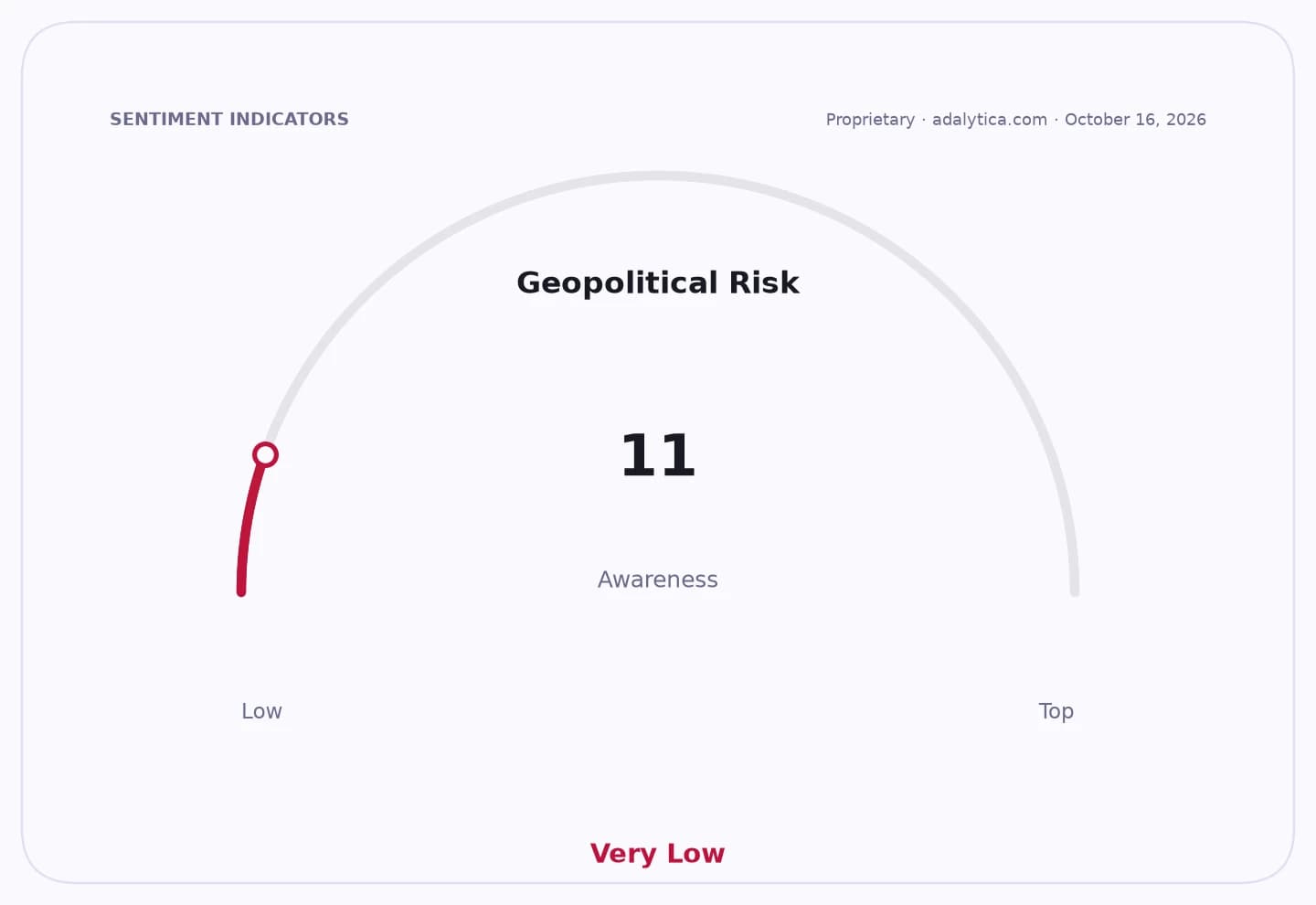
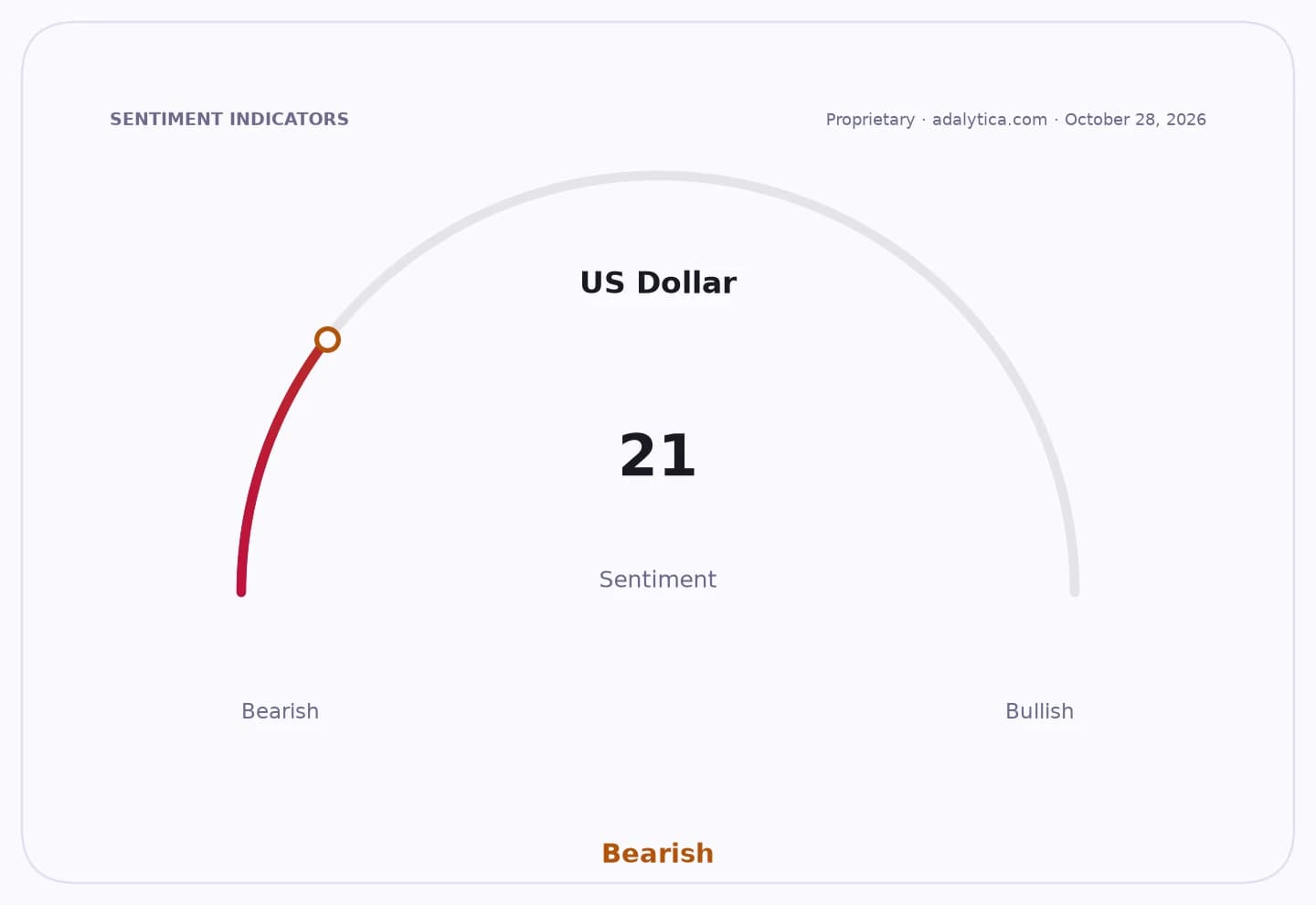
Sentiment Indicators
For investors, any move toward clearer burden-sharing rules is a double-edged sword. On one hand, it could reduce the legal chaos that often drags out restructurings and traps capital in limbo. On the other, it raises the possibility that private lenders, bondholders and trade creditors will be forced to take losses earlier and more explicitly, rather than being shielded by ad hoc negotiations. That is exactly the kind of policy shift that can reprice frontier and emerging-market debt.
The backdrop makes the proposal more than a niche reform. The 10-year US Treasury yield has climbed to about 5.01%, keeping global financing costs elevated and limiting room for error in weaker borrowers. Even as risk assets have held up, the market is not dismissing credit stress: HYG, the high-yield bond ETF, is still trading near 77.43, while technical indicators show it has only recently clawed back toward its short-term moving averages after weakness earlier in the year.
Debt Rules — 30-day sentimentadalytica.com
Explore this data interactively — full history, time series and cross-market comparisons.
The broader narrative is that sovereign distress is moving from isolated cases to a systemic policy debate. Reuters reporting on debt stress already points to companies and governments seeking more aggressive restructuring tools, including debt-for-equity conversions and renegotiations. If Muhyiddin’s rules gain traction, the market will begin to distinguish more sharply between jurisdictions willing to impose losses transparently and those that rely on prolonged forbearance.
That is where the real opportunity lies. Investors should be watching for winners in countries and issuers that can front-load restructuring credibility, and for losers among lenders exposed to vague recovery regimes. The next catalyst is whether policymakers turn this into a formal framework or leave creditors to guess, one crisis at a time. In a world of higher rates and tighter capital, clarity on who bears the bill may matter more than the debt itself.
| Entity | Gains | Losses |
|---|---|---|
| Governments seeking restructuring relief | ▲Clearer workout playbook | ▼Less room to defer losses |
| Bondholders and lenders | ▲Faster resolution in good cases | ▼Higher risk of haircuts |
| Sovereign borrowers | ▲More manageable defaults | ▼Reduced bargaining leverage |
| High-yield creditors broadly | ▲Better pricing of risk | ▼More explicit loss allocation |