Papua New Guinea’s effort to repair its public finances is being rewarded by buyers of its U.S.-dollar bond, with the market showing a greater willingness to fund the sovereign as investors look past near-term political noise and toward fiscal stabilization.
Papua New Guinea Bond Buyers Back Fiscal Repair
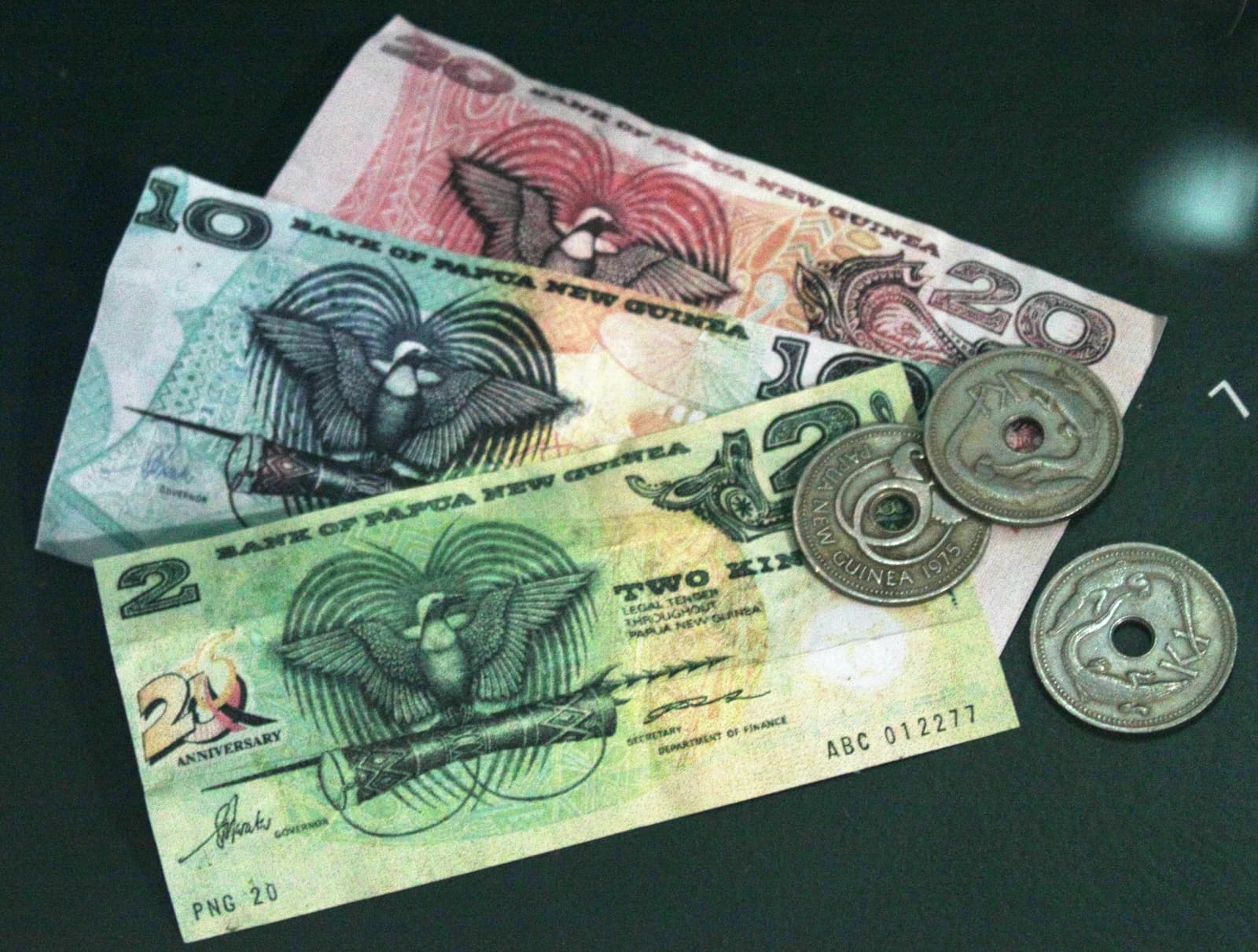
That matters because for frontier borrowers, market access depends less on headline GDP growth than on credibility. A government that can show it is narrowing deficits, improving revenue collection and keeping debt service manageable is more likely to roll over external funding at sustainable levels. For PNG, which relies on commodity-linked revenues and has faced recurring questions over governance and policy consistency, even modest gains in investor confidence can lower borrowing costs and reduce refinancing risk.
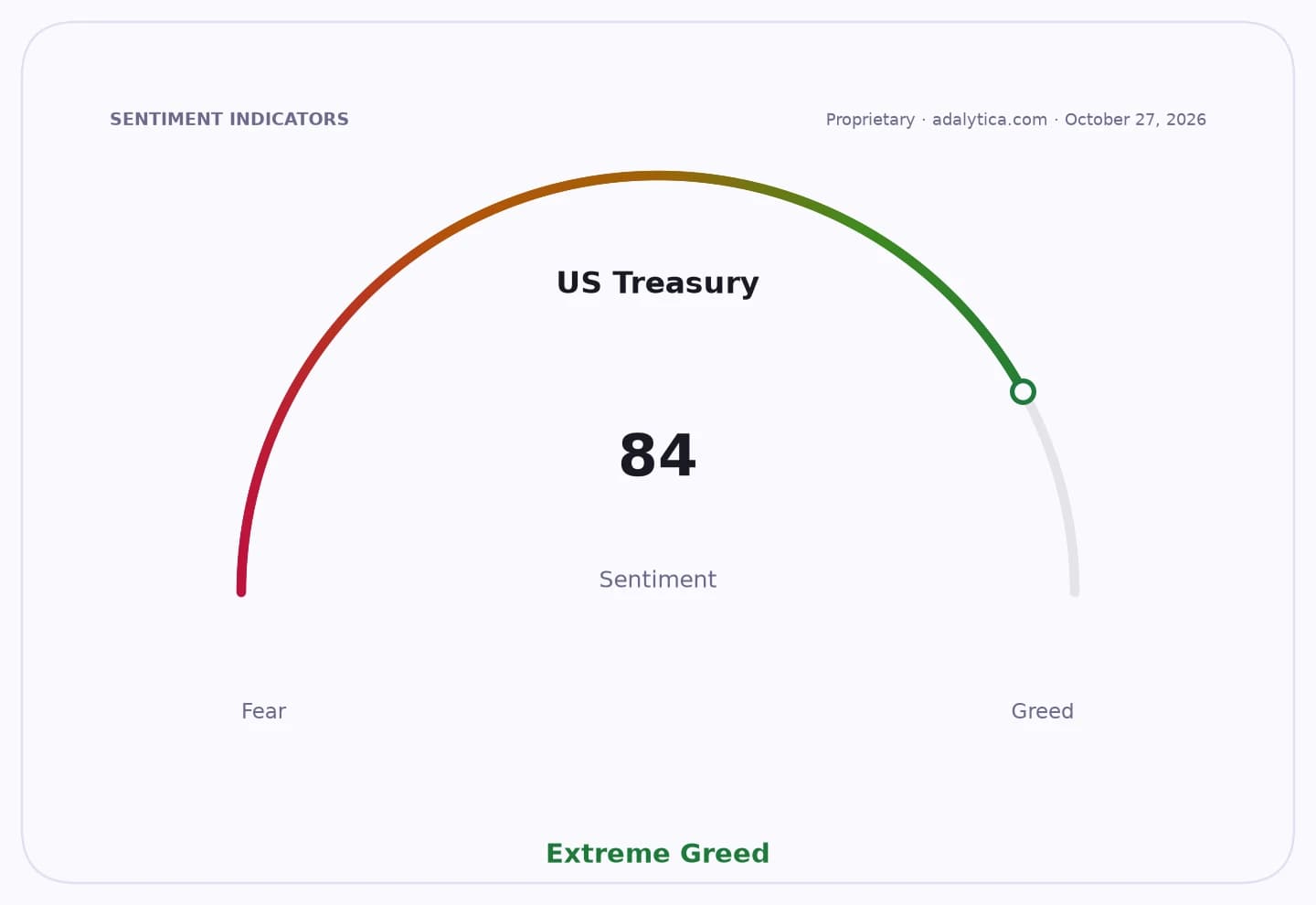
Sentiment IndicatorsⓘProprietary · adalytica.com · October 28, 2026
This is a snapshot — live sentiment, awareness and momentum for 130+ markets update continuously in the dashboard.Open AlphaPulse

The move in global credit also helps explain the backdrop. Demand for high-yield debt has remained resilient, with benchmark U.S. junk spreads at about 3.30 percentage points, near the tighter end of their recent range, while the iShares J.P. Morgan USD Emerging Markets Bond ETF has held around $91.92, close to its 50-day moving average and below its 200-day average of $93.19. The ETF’s relative stability suggests investors are still selectively reaching for carry in sovereign and quasi-sovereign paper, even as broader risk appetite remains uneven.
At the same time, signals in the dollar and equities point to a market that is not broadly risk-off. Adalytica’s U.S. dollar trade signals show fear at 21, down 17 points on the day, while the S&P 500 remains in extreme-greed territory on its awareness gauge. That combination typically favors selective flows into higher-yielding emerging and frontier debt, especially where a borrower is seen as making credible policy adjustments.
For PNG, the positive read-through is not just about sentiment. A constructive reception in the dollar bond market can ease pressure on the sovereign’s financing calendar, support foreign-exchange confidence and give policymakers more room to manage subsidies, arrears and capital spending without resorting to abrupt austerity. It can also help local corporates and banks if sovereign risk premia narrow.
The bull case is that investors are beginning to treat PNG’s fiscal repair path as durable enough to merit a lower risk premium, particularly if commodity receipts hold up and reforms remain on track. The bear case is that the improvement in bond demand is fragile: any slippage on implementation, fresh political controversy or weaker export earnings could quickly reverse sentiment.
For now, the message from buyers is straightforward. PNG’s budget repair narrative is beginning to matter to the market, and that is the first step toward cheaper external funding and a more stable sovereign credit profile.
| Entity | Gains | Losses |
|---|---|---|
| Papua New Guinea government | ▲Easier market access | ▼Pressure to deliver reforms |
| USD bond buyers | ▲Higher carry potential | ▼Repricing risk if reforms slip |
| PNG sovereign credit | ▲Lower funding costs | ▼Less room for policy mistakes |
| Existing bondholders | ▲Tighter spreads | ▼Upside limited if risk premia compress |