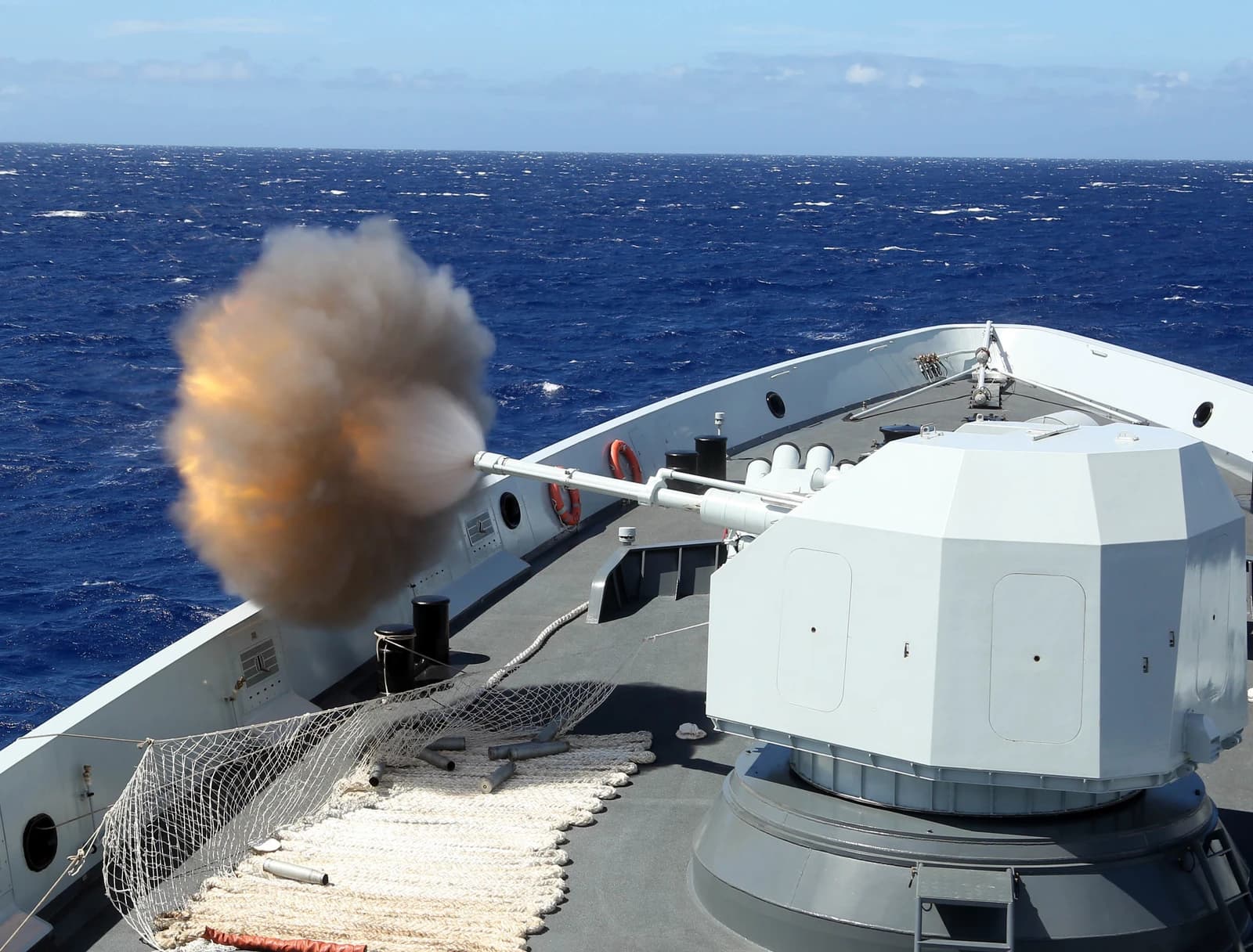
Greece is remaking its military around drones, autonomous systems and leaner command structures, a shift that could reshape defense spending, industrial policy and procurement priorities for years.
Greece military overhaul boosts drones and defense buying
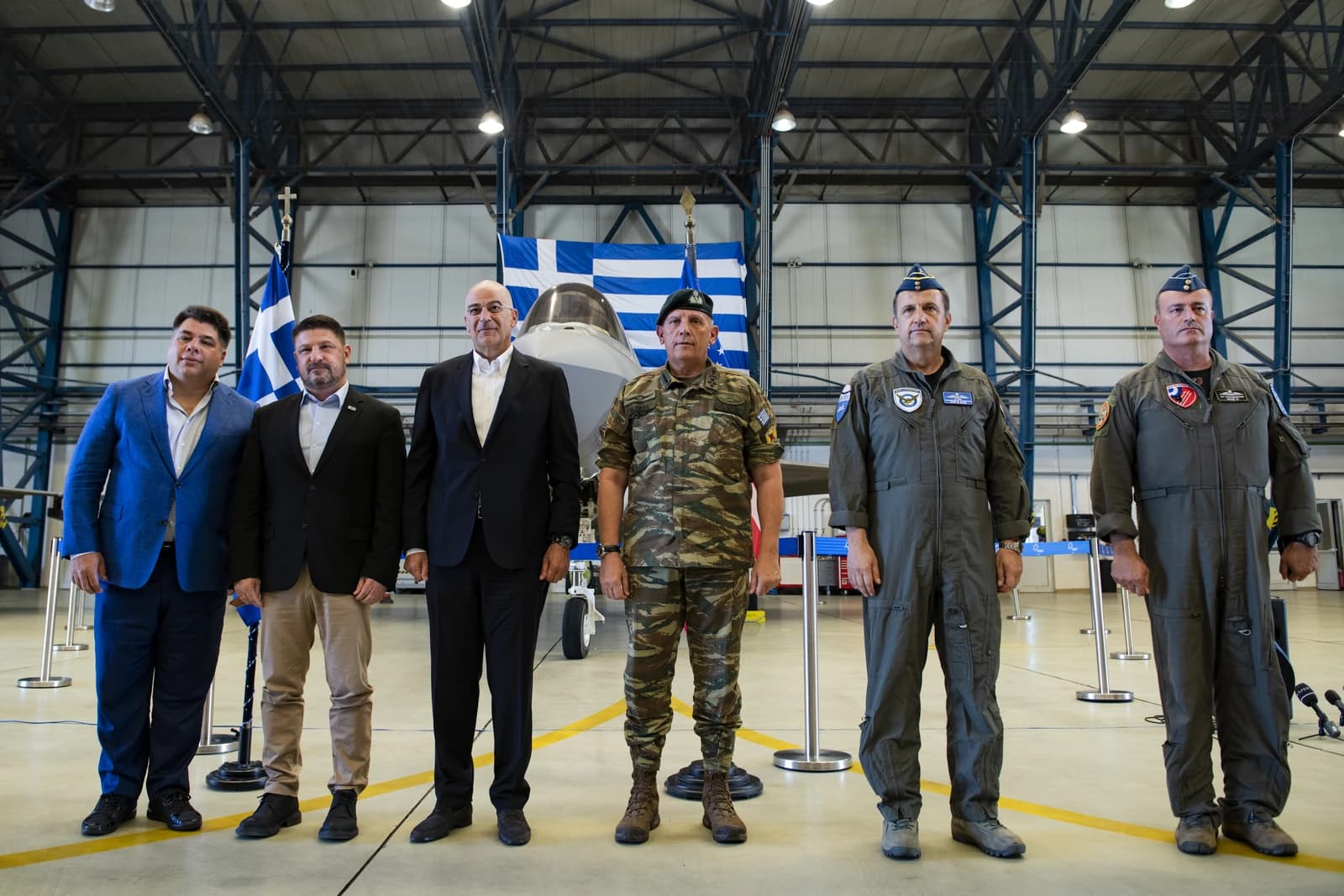
Defense Minister Nikos Dendias said the third phase of the country’s new force structure will bring the armed services fully into the “hybrid era,” with unmanned systems integrated across the army, navy and air force. The plan includes a new drone brigade at Litohoro, an unmanned and autonomous systems command for the navy, and a base for unmanned aircraft in the air force. For investors and suppliers, that matters because it points to a cleaner, more technology-heavy procurement cycle rather than a traditional buy-the-next-platform approach.
Sentiment IndicatorsⓘProprietary · adalytica.com · October 26, 2026
This is a snapshot — live sentiment, awareness and momentum for 130+ markets update continuously in the dashboard.Open AlphaPulse
The fiscal payoff is just as important. Dendias said the changes should generate about 500 million euros of savings over five years, or roughly 100 million euros a year. That is not a headline number in the context of a national budget, but in defense it is meaningful because it can be recycled into personnel pay, readiness and newer capabilities. In other words, Greece is not simply cutting for the sake of cutting; it is trying to redirect spending toward higher-value systems.
That shift aligns with a broader European push to invest in drones, counter-drone tools, autonomous platforms and cyber defenses as militaries confront a more fragmented battlefield. The plan also calls for mergers and closures of 56 units and 126 structures, a sign that the ministry wants fewer legacy overheads and more deployable capability. Dendias said the navy will be the first in Europe to integrate unmanned systems, while the air force is moving toward cooperative aircraft concepts, the kind of architecture that favors networks, sensors and software as much as hulls and airframes.
For investors, the clearest read-through is to defense primes and technology suppliers with exposure to modern air defense, missiles, sensors and unmanned systems. Raytheon parent RTX, Lockheed Martin and Northrop Grumman all sit in the center of that market, and the Greek plan reinforces a theme already visible in their order books: NATO and allied customers are buying more interceptors, missile-defense systems and upgraded platforms to deal with drones and hybrid threats. That is supportive for long-term demand, even if individual contract timing can still be lumpy.
Dendias also signaled that Athens wants the domestic defense ecosystem to play a larger role, saying legislation will seek a minimum 25% Greek participation in new procurements and that the country aims to participate in government-to-government sales. That may be good for local industry, but it also raises the bar for foreign contractors that want access to Greek contracts. In practical terms, they will need more local partnerships, more technology transfer and a stronger industrial footprint.
The modernization push also has a personnel angle. Dendias said savings from the overhaul will be reinvested in troops, while stressing that crew time at sea should not exceed 200 days unless national necessity demands it. That is the kind of detail markets often miss but investors should not: defense reform is not only about weapons, it is about retention, readiness and the ability to keep skilled people in uniform long enough to use those weapons well.
The procurement wishlist still includes major U.S. systems. Dendias said Greece wants the most advanced weapons for its incoming F-35s and is seeking to have drones fly alongside them. He also said he will ask the cabinet to extend the deployment of Patriot systems in Saudi Arabia and is planning an updated 2027-2038 budget that would cover F-16 upgrades and weapons for the F-35 fleet. That keeps Greece tied to high-end American suppliers and suggests the modernization cycle is only beginning.
For long-term investors, the story is not the one-time savings figure. It is that a NATO member on Europe’s southern flank is redesigning its military around drones, autonomy and networked warfare, while still buying premium Western air-defense and fighter technology. That combination tends to favor the strongest defense names, especially those with recurring support revenue, missile-defense franchises and exposure to next-generation systems. This is a story worth watching, not trading around.
| Entity | Gains | Losses |
|---|---|---|
| Greek armed forces | ▲Leaner structure, newer capabilities | ▼Legacy units and overhead |
| Local Greek defense industry | ▲Minimum 25% workshare, more contracts | ▼Smaller share if unable to scale |
| RTX, LMT, NOC | ▲Demand for missiles, air defense, drones | ▼Less room for older platforms |
| Legacy manpower-heavy systems | ▲Faster replacement pressure | ▼Higher operating costs |