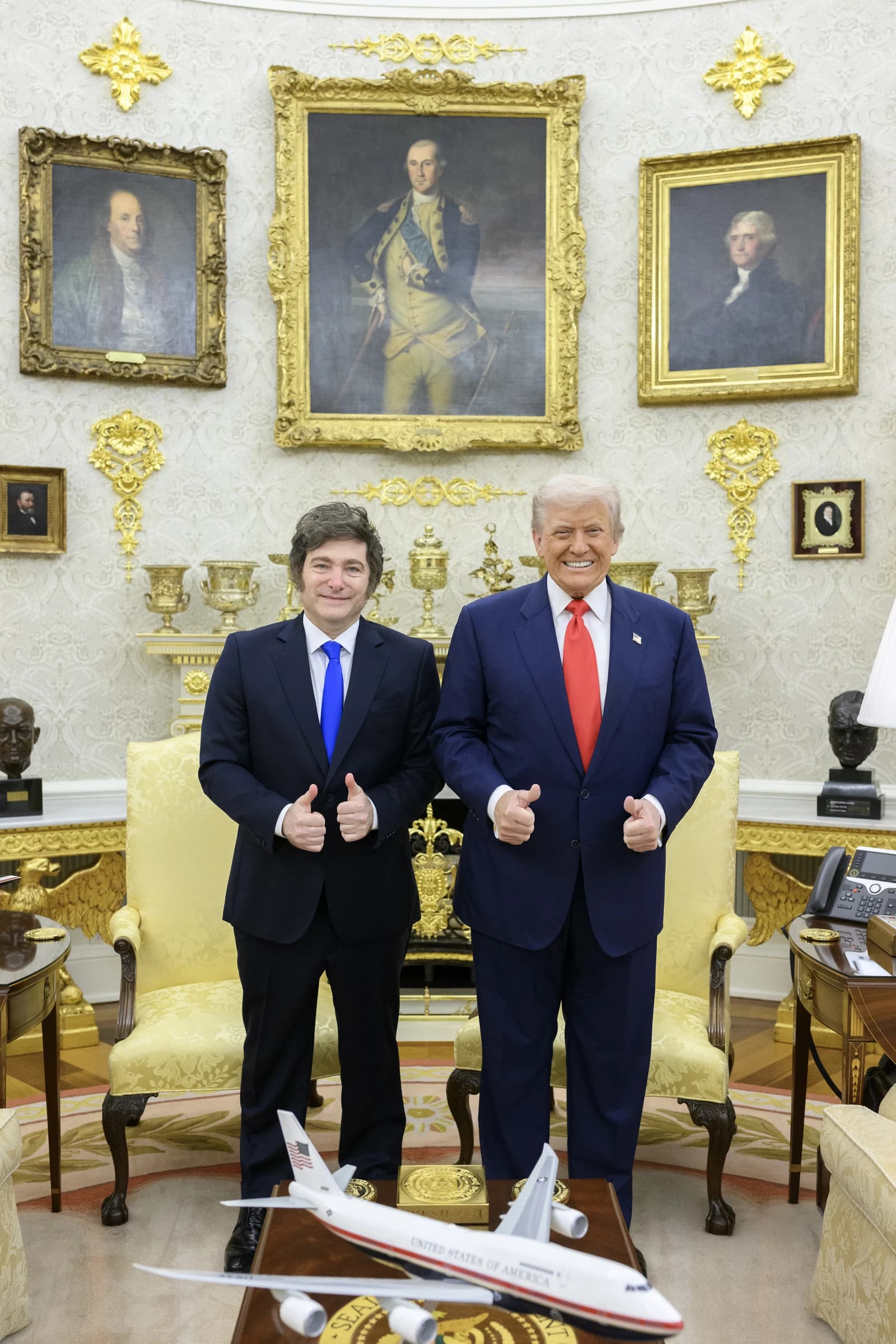
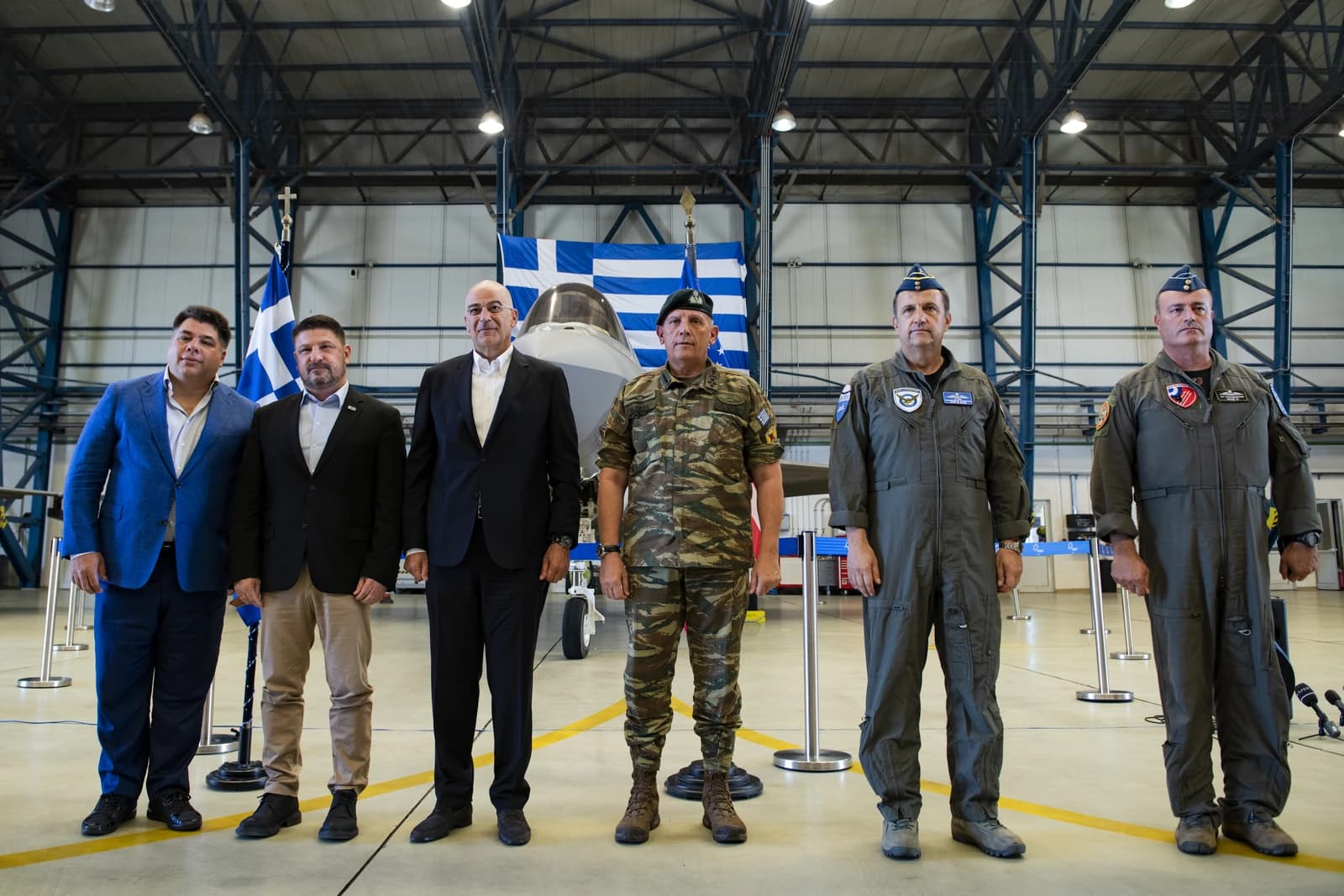
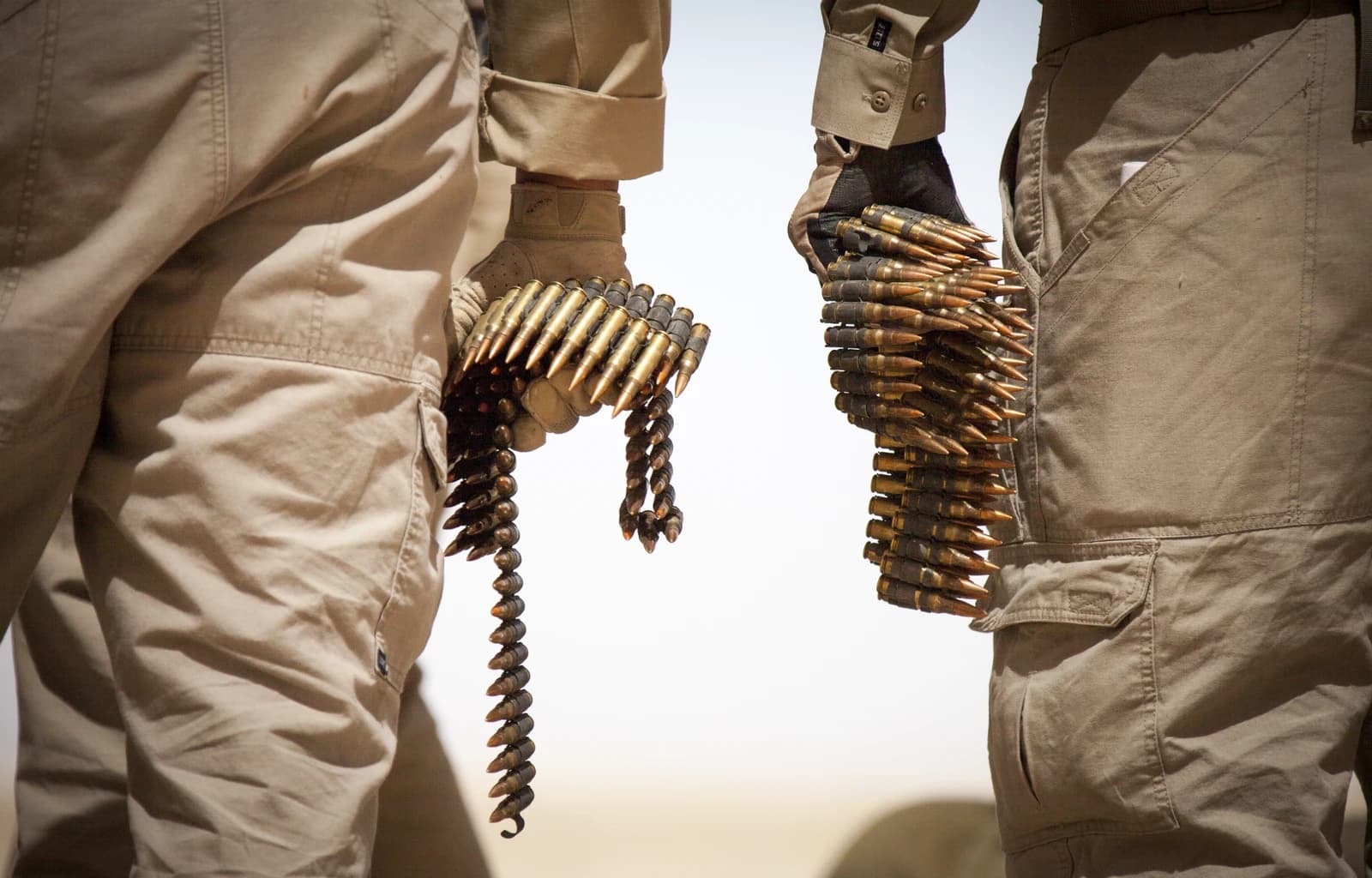
Argentina has spent about $445 million on weapons and military equipment since Javier Milei took office, with the bulk of the outlay concentrated in 2024 and dominated by a $301.2 million deal for 24 F-16 fighter jets from Denmark. The spending marks a sharp shift in defense procurement and exceeds what the country bought in the full terms of former presidents Alberto Fernández and Mauricio Macri.
Argentina defense spending rises under Milei
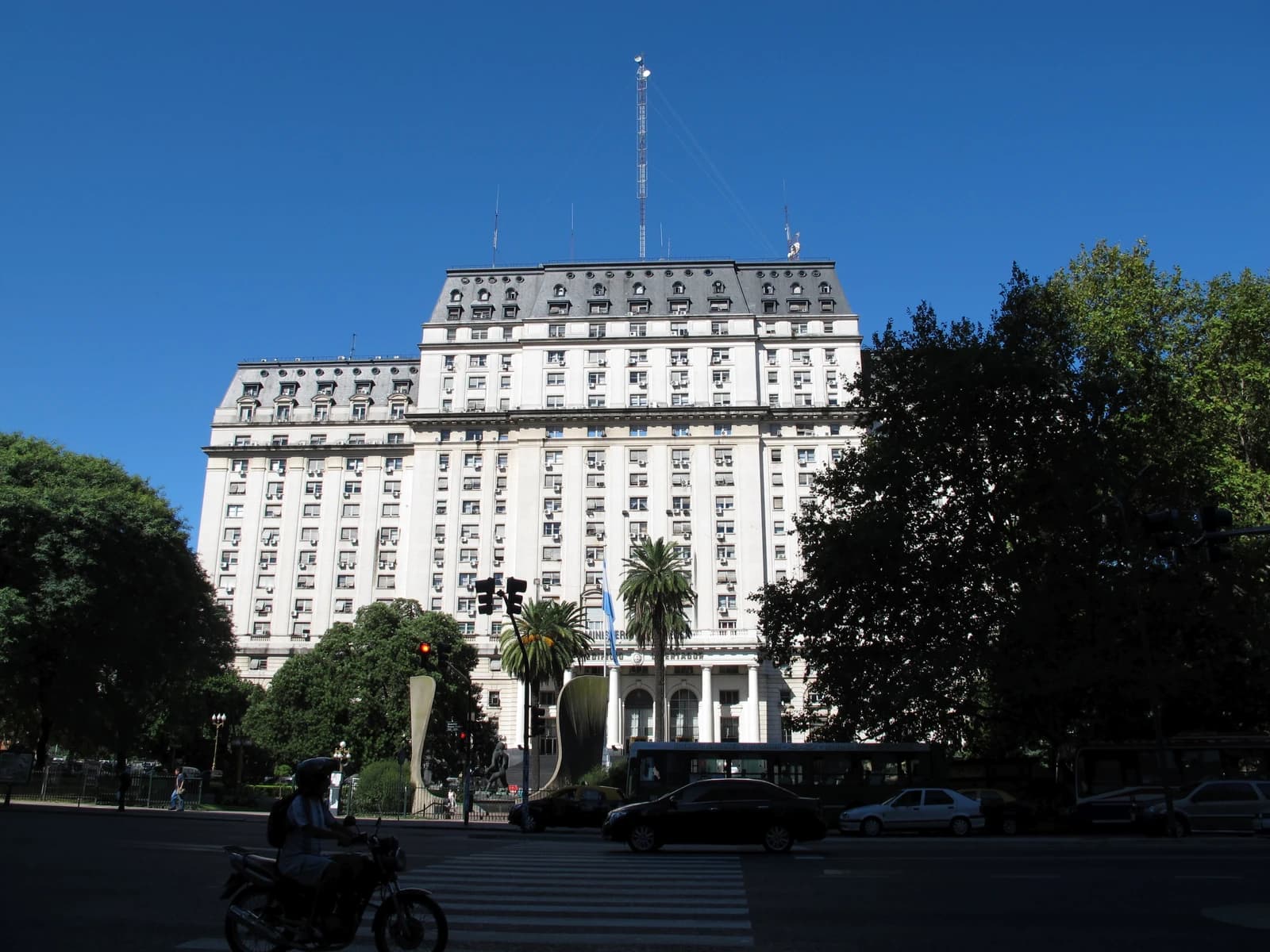
The buildup matters economically because it shows Milei’s government is willing to channel scarce public funds toward military modernization even as it keeps pressure on broader fiscal spending. The purchases, which exclude salaries and operating costs, totaled $381.4 million for the armed forces and $63.7 million for federal security forces, according to Infobae’s analysis of official procurement records and agreements with other countries.
Sentiment IndicatorsⓘProprietary · adalytica.com · October 24, 2026
This is a snapshot — live sentiment, awareness and momentum for 130+ markets update continuously in the dashboard.Open AlphaPulse
The F-16 program is the centerpiece. Argentina agreed to pay for the aircraft in five annual installments, and the first six jets arrived in December 2025, restoring supersonic combat capability that the Air Force lost when it retired its Mirage fleet in 2015. The remaining aircraft are expected to arrive in stages through December 2027, although the aircraft remain politically sensitive because the United Kingdom has previously blocked Argentine purchases that include British components.
Other acquisitions include eight U.S.-made Stryker armored vehicles for $20 million, with a letter of intent for up to 235 more, and 48 Unimog trucks. Some equipment delivered under Milei had already been contracted under the previous government, including four Norwegian P-3 Orion maritime patrol aircraft and six Bell helicopters, underscoring that not all of the current administration’s visible gains came from fresh spending.
For investors, the spending is another reminder that Milei’s budget strategy is not simply about austerity but about reallocating resources toward areas tied to sovereignty and security. It also adds to the backdrop of Argentina’s wider policy recalibration, including U.S. support for strategic projects and continued scrutiny over whether Milei can preserve political backing after recent setbacks.
The key near-term watchpoint is whether the government continues to fund defense imports without widening fiscal strains, and whether future procurement stays on track if political conditions worsen or foreign suppliers face restrictions.
| Entity | Gains | Losses |
|---|---|---|
| Argentina’s armed forces | ▲Modernized equipment | ▼Budget flexibility |
| Defense suppliers in Denmark and the U.S. | ▲New orders | ▼Delayed contract risk |
| Milei government | ▲Sovereignty credentials | ▼Fiscal scrutiny |
| Taxpayers / other public spending priorities | ▲Security capability | ▼Spending trade-offs |