Argentina has put new military purchases under secrecy just as its dispute with the U.K. over the Malvinas Islands is intensifying, a move that underscores how geopolitics can quickly shape defense spending, contractor economics and investor risk perception.
Argentina Seals Military Purchases as Falklands Tensions Rise
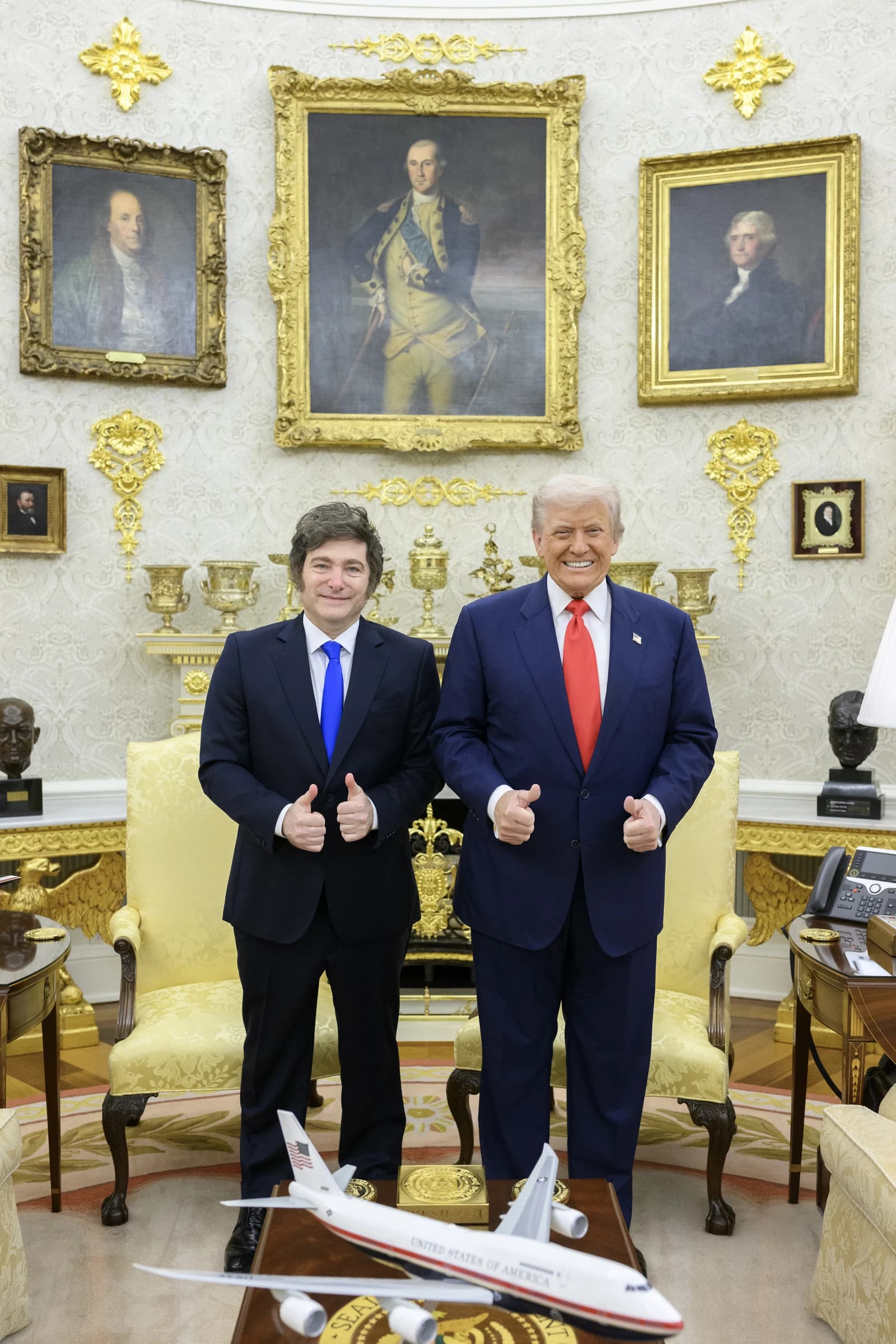
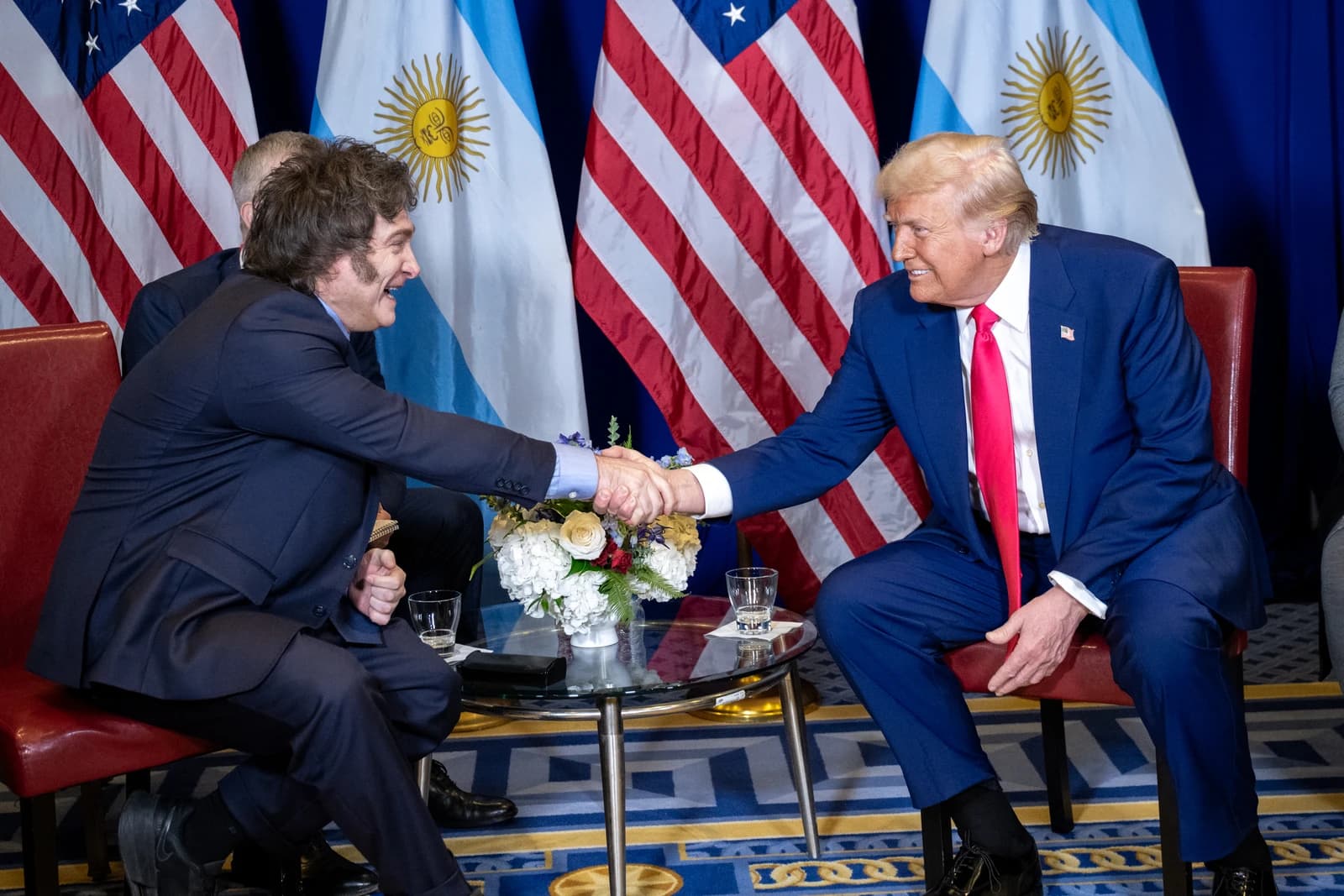
The decree signed by President Javier Milei and Defense Minister Carlos Presti classifies the acquisition of new equipment for the armed forces as military secret, shielding the type of material, costs, supplier and contract process from public disclosure. Economically, that matters because defense procurement often ripples far beyond the military itself: it can affect domestic suppliers, foreign contractors, budget transparency and the country's fiscal priorities at a time when Argentina is trying to restore credibility with markets.
Sentiment IndicatorsⓘProprietary · adalytica.com · October 24, 2026
This is a snapshot — live sentiment, awareness and momentum for 130+ markets update continuously in the dashboard.Open AlphaPulse
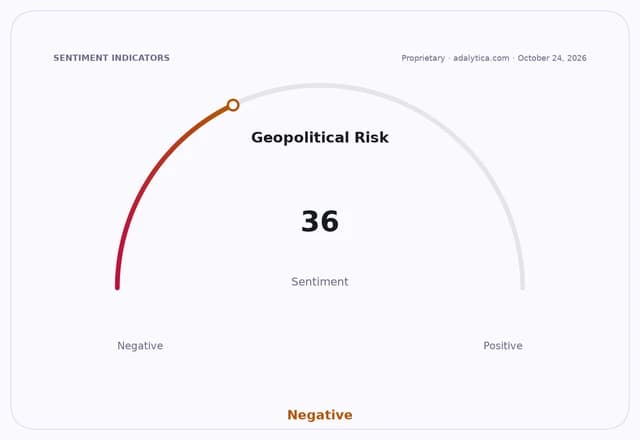
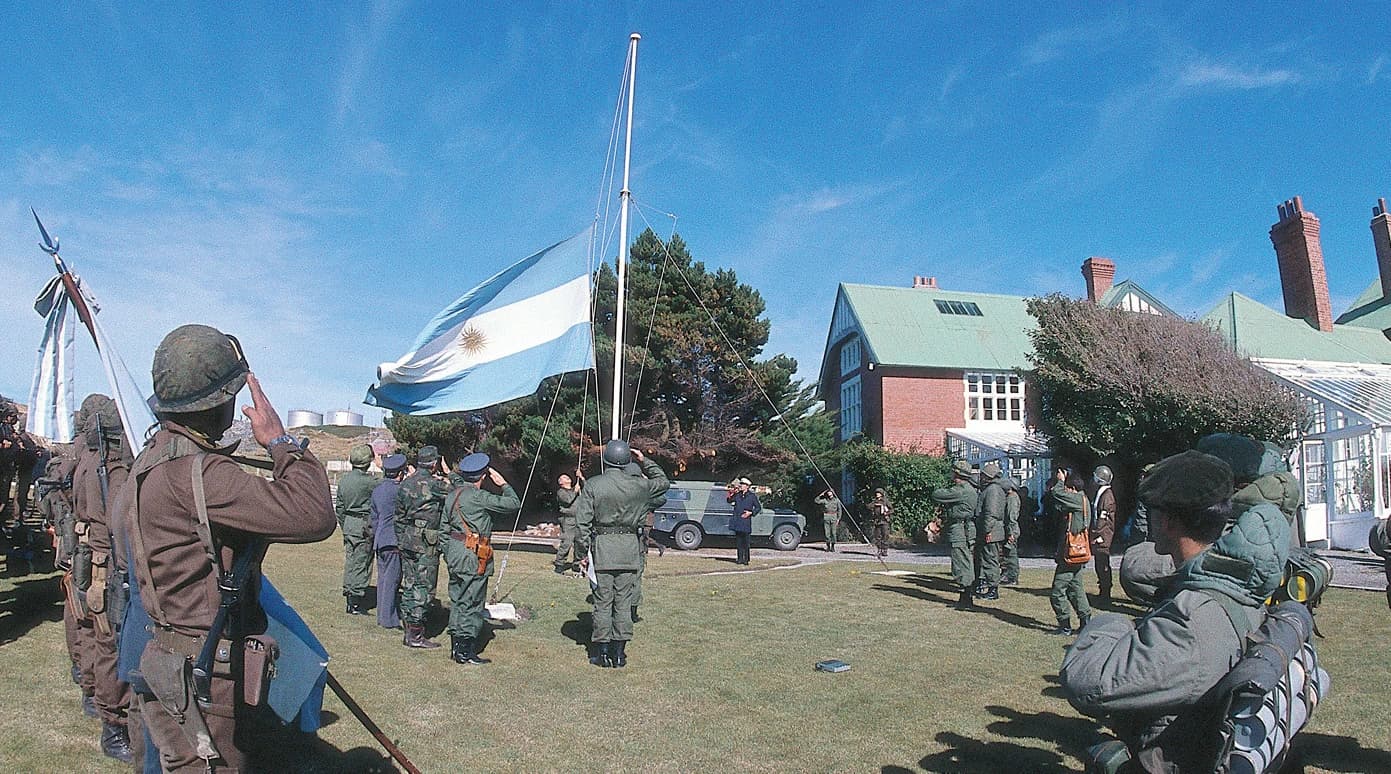
For investors, the more important point is not the secrecy itself but what it suggests about policy urgency. Buenos Aires is tightening its stance after sanctions and criminal complaints against oil companies operating without authorization in the islands, the start of an arbitration case under the U.N. Convention on the Law of the Sea over the Sea Lion project, and an order to build a naval base in Tierra del Fuego. London has answered by summoning Argentina’s ambassador and warning it will be “implacable” in defending islanders’ rights. That combination raises the odds of more headline risk around Argentina’s assets, especially in sectors exposed to sovereign policy, energy and defense.
The government says disclosure could compromise national security, and the decree follows an earlier pattern. Milei’s administration has already extended military secrecy to parts of the F-16 fighter program, including aircraft components, engines, spare parts and weapons, along with training and maintenance deals tied to the U.S. Foreign Military Sales system. That matters because it hints at a broader defense modernization effort, one that may favor specialized suppliers with existing government relationships while limiting visibility for the market.
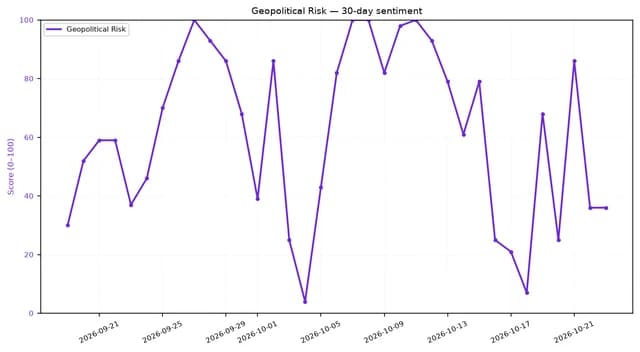
From a long-term investing perspective, secrecy around defense purchases is not the kind of development that changes Argentina’s economic fundamentals overnight. But it does reinforce a central truth: country risk is not just about inflation and debt. It also includes geopolitical flashpoints that can affect capital flows, energy projects and the willingness of foreign firms to operate in disputed areas.
For holders of Argentina-linked funds, including the iShares MSCI Argentina ETF, the immediate takeaway is caution rather than panic. The bigger issue remains whether Milei can keep tightening policy and rebuilding trust while managing a dispute that is becoming more militarized in tone. If the government can contain the conflict and keep defense spending disciplined, the market impact may stay limited. If tensions escalate further, investors should expect a heavier risk premium on Argentine assets.
| Entity | Gains | Losses |
|---|---|---|
| Argentine government | ▲greater secrecy | ▼public transparency |
| Defense contractors | ▲potential contract opportunities | ▼disclosure and scrutiny |
| U.K. and Falklands interests | ▲diplomatic backing | ▼less room for compromise |
| Argentina-focused investors | ▲possible defense modernization theme | ▼higher geopolitical risk |