Greece’s labor ministry has put Pizza Fan on notice that the company must keep paying its 2,500 workers while authorities investigate the chain’s legal and financial exposure, a move that raises the stakes for investors watching how quickly labor costs and enforcement can hit restaurant margins.
Greece Labor Ministry Orders Pizza Fan to Pay Workers
The message from Deputy Labor Minister Kostas Karagounis was blunt: no contract terminations have been filed yet, and the employer remains obligated to pay wages and benefits under labor law. For a consumer business built on thin margins and high labor intensity, that matters because the first economic risk is not just a legal dispute — it is the cash-flow strain, operational disruption and reputational damage that can spread through the wider food-service sector.
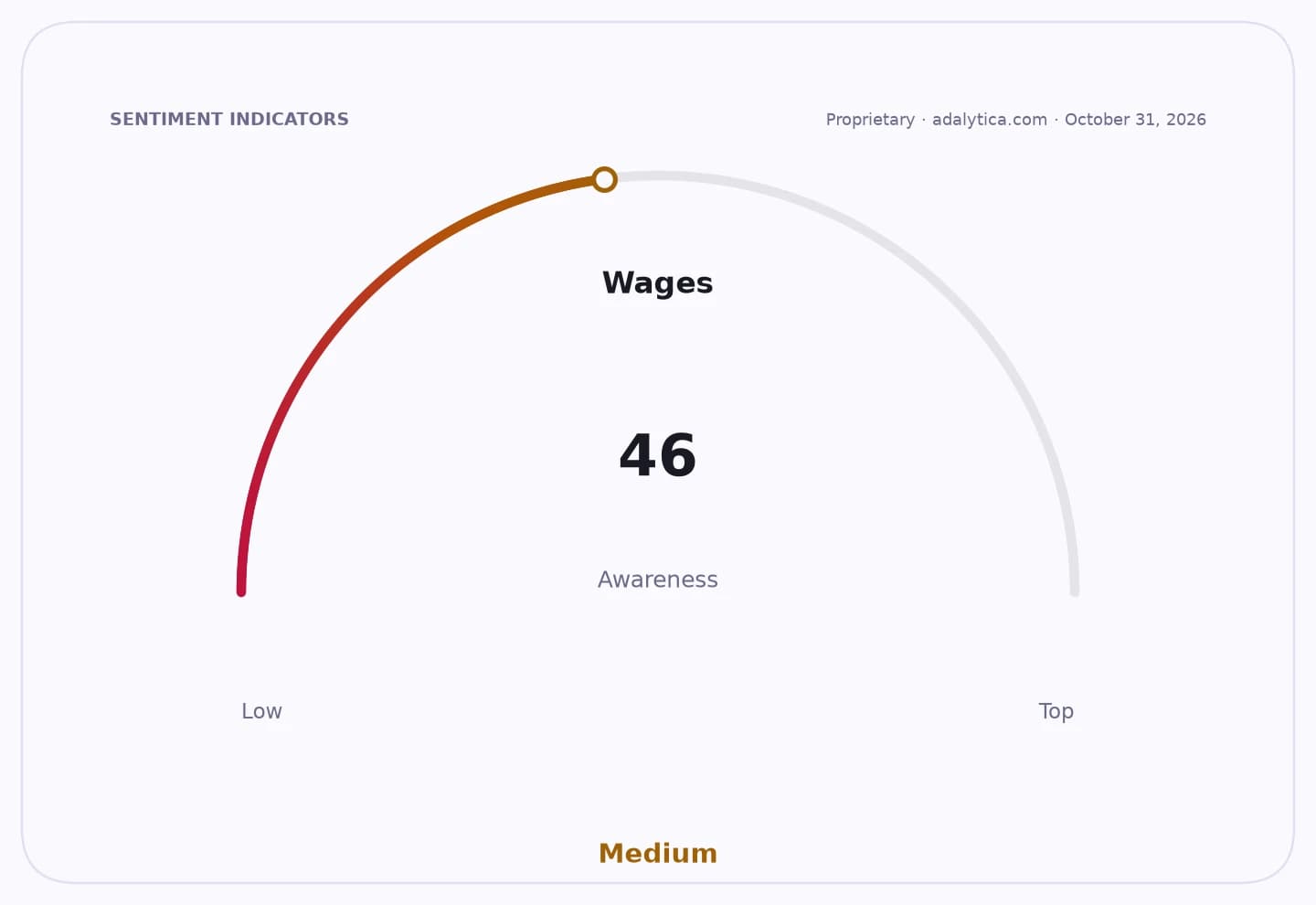
Sentiment Indicators
Authorities are still in an early stage of the probe, but the labor inspectorate is already monitoring the case and can open inspections on its own, without waiting for a complaint. If the investigation escalates into contract cancellations, the state says it would step in on severance and unemployment support. That is a clear signal to employers across Greece: wage obligations do not pause simply because a corporate investigation does.
For investors, the significance is broader than Pizza Fan itself. Labor enforcement is tightening at a time when restaurant groups are already dealing with wage inflation, bonus pressure and weaker consumer spending. The latest financial reports from U.S.-listed peers underline the sensitivity: Chipotle reported labor costs of $847.5 million in the third quarter, up 12% year on year, while Domino’s and other operators are trading on the assumption that cost discipline can still protect margins. Any sign that regulators are willing to force immediate compliance on payroll and worker protections raises the premium on operational resilience.
That is why the story is really about margin risk in labor-heavy food service. Chains that rely on scale, franchise leverage and tight labor scheduling can absorb only so much pressure before profitability bends. The market often treats labor disputes as one-off headlines, but they can quickly become a valuation issue if they expose weak governance, force wage catch-up payments or trigger broader regulatory scrutiny.
The government is also advancing separate changes to parental leave and caregiver rights, suggesting Greece is moving toward a more worker-protective framework rather than a lighter-touch labor regime. That makes the message to employers unmistakable: compliance is becoming a strategic cost of doing business, not a back-office detail.
For investors, the actionable takeaway is to favor operators with strong balance sheets, pricing power and franchise-heavy models, while treating labor-intensive chains with weaker cash generation as higher-risk names. The market underestimates how quickly a wage dispute can turn into a margin story — and in restaurants, margin stories eventually become stock stories.
| Entity | Gains | Losses |
|---|---|---|
| Workers at Pizza Fan | ▲wage protection | ▼unpaid payroll risk |
| Greek Labor Ministry | ▲enforcement credibility | ▼criticism if oversight fails |
| Labor-intensive restaurant chains | ▲stronger compliance standards | ▼higher cost pressure |
| Pizza Fan management | ▲possible resolution if compliant | ▼legal, cash-flow and reputational strain |