Poland’s labor inspectors are moving to reclassify some student “civil-law” contracts as full-time jobs, a shift that could force employers in retail and food service to pay payroll taxes, provide paid leave and follow dismissal rules.
Poland labor inspectors reclassify student contracts

The change matters because student labor has long been one of the cheapest ways for restaurants, bakeries and shops to fill shifts. If inspectors decide a student on a contract of mandate is really an employee, companies lose the social-security exemption that applies to students under 26 and must start paying full ZUS contributions, while also taking on labor-code obligations.
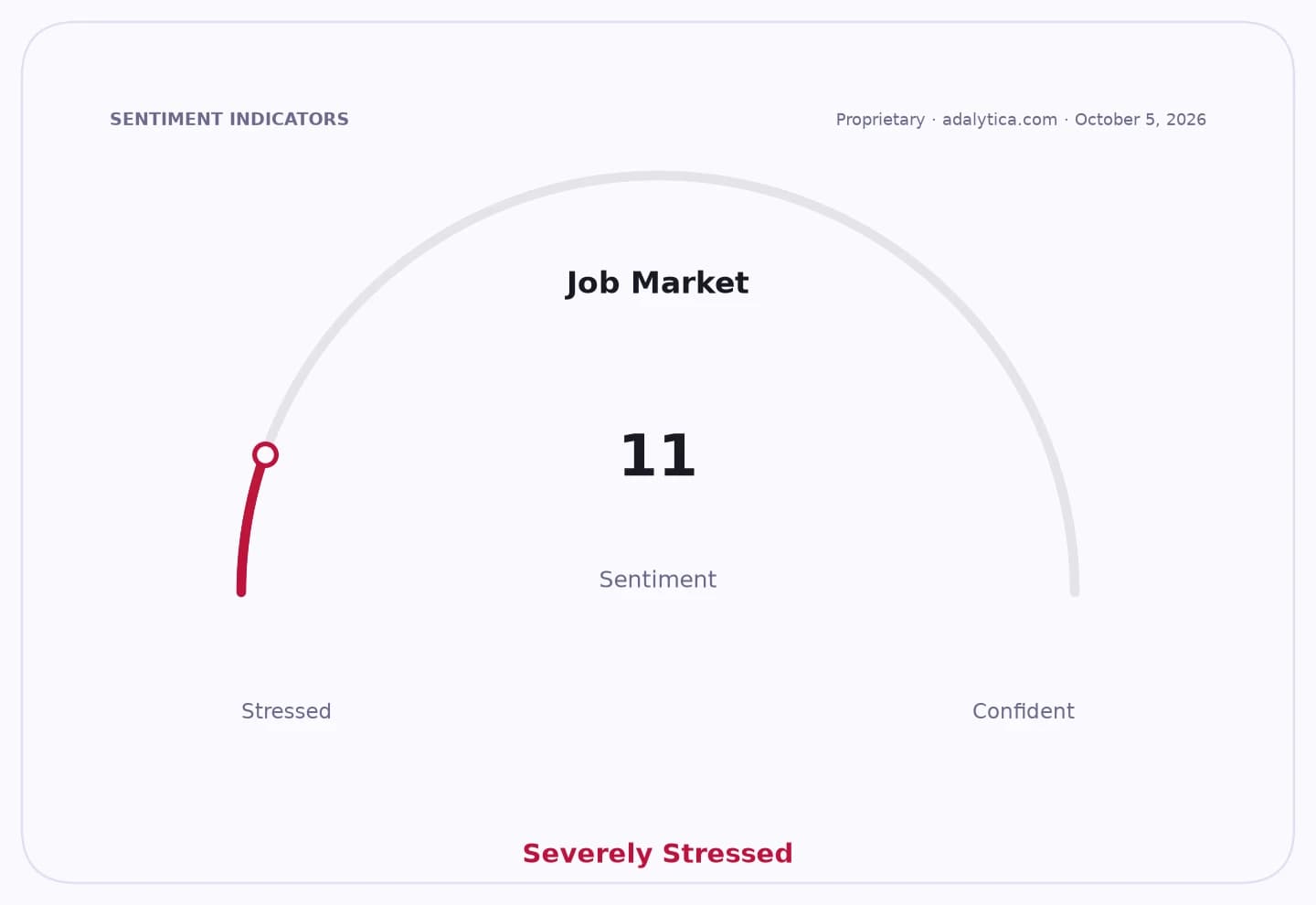
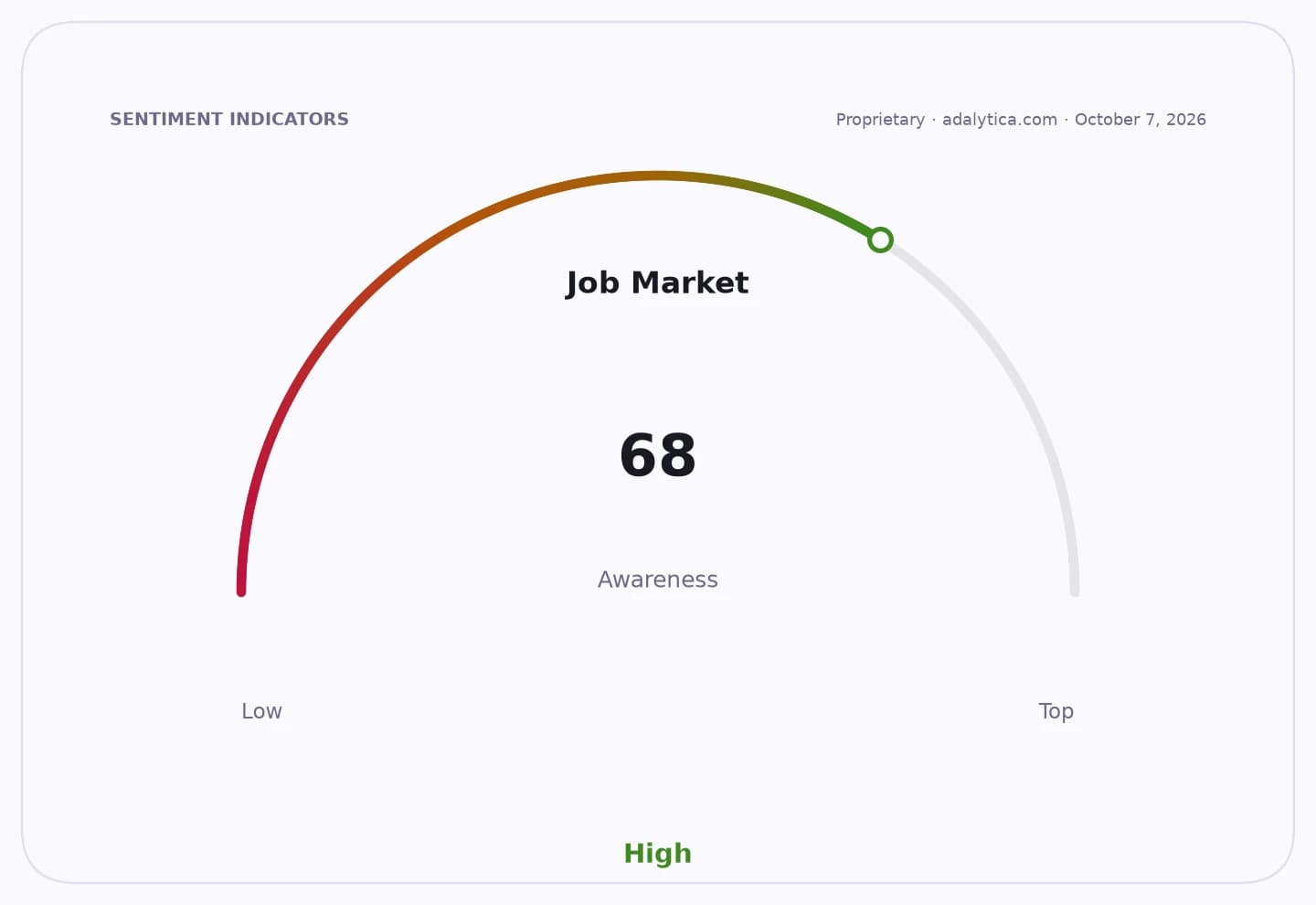
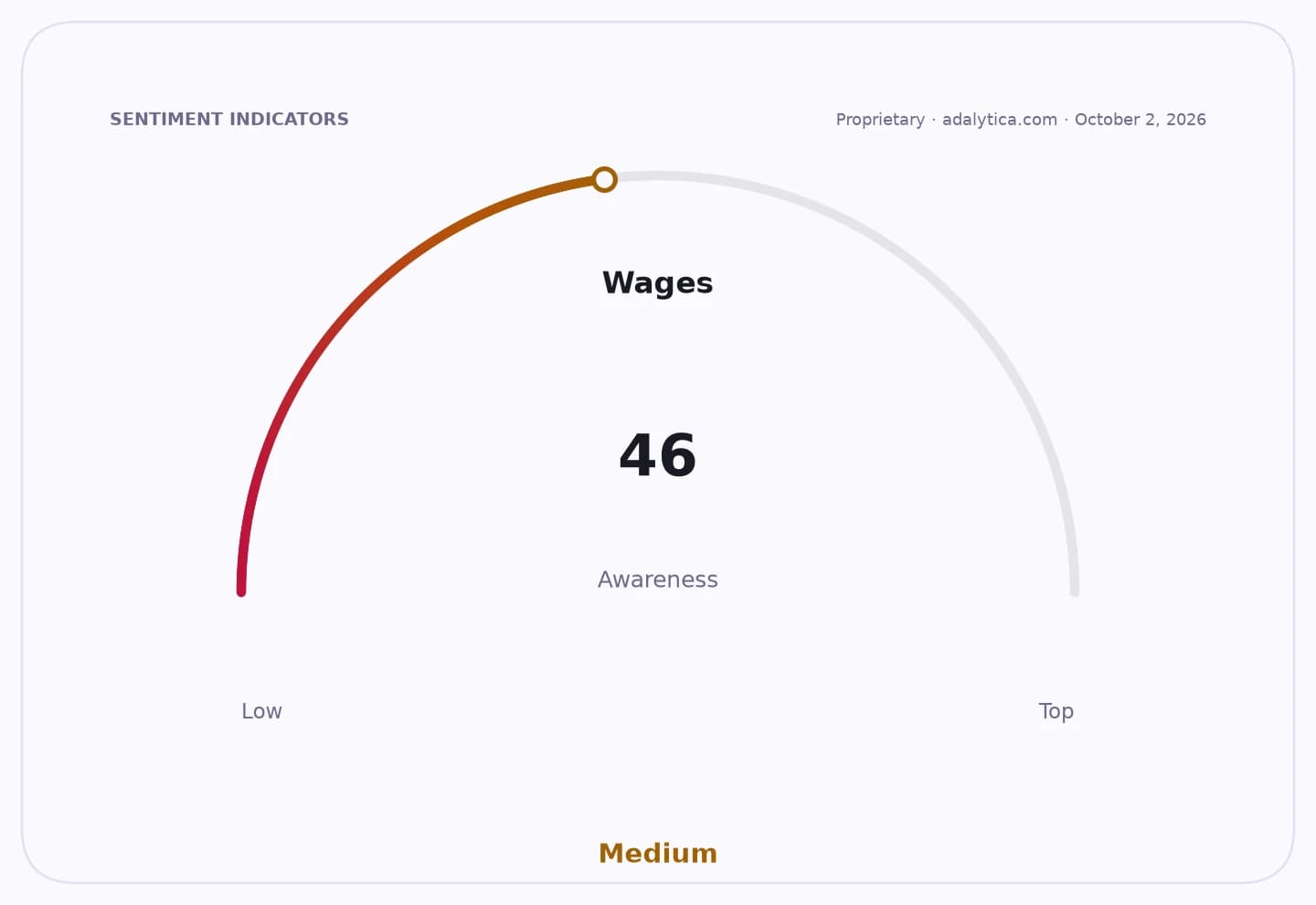
Sentiment IndicatorsⓘProprietary · adalytica.com · October 7, 2026
This is a snapshot — live sentiment, awareness and momentum for 130+ markets update continuously in the dashboard.Open AlphaPulse
The first published interpretation from the chief labor inspector targeted students working in a bakery, where the work was described as flexible and tied to university schedules. Even so, the inspector said the arrangement showed enough subordination to amount to employment, arguing the business determined the tasks and production needs while the students only chose when they were available.
That reasoning points to a more restrictive enforcement stance at the State Labour Inspectorate, or PIP, especially in sectors that rely on irregular staffing. The inspectorate said irregular hours, breaks in work and no requirement to be on standby do not by themselves prove a mandate contract if the worker has little control once on shift.
For employers, the immediate risk is higher labor cost. A student under a mandate contract does not normally pay social-security or health insurance contributions, but once reclassified as an employee the employer must cover the full package, along with vacation rights and notice periods.
The process is also designed to create compliance pressure quickly. During an inspection, firms found to have employment-like contracts can be ordered to fix the situation by either signing labor contracts or changing the way the work is carried out; if they do not comply, the case can go to a regional inspector, who may issue a decision or ask a court to confirm employment.
A key safeguard for companies is that an administrative decision establishing employment takes effect from the date it is issued, not retroactively, so it would not automatically create back pay for past ZUS contributions or unused leave. But if the labor inspector instead wins in court, the ruling can apply back to the start of the civil-law contract, limited by normal limitation periods of five years for insurance contributions and three years for employment claims.
That difference is why the issue is larger than a legal technicality for chains such as McDonald’s, Starbucks and Wendy’s, which depend on high-turnover hourly labor and are already operating in a tougher consumer and employment backdrop. Their shares have also been weak, with McDonald’s down to $230.88 on Oct. 7 from $334.50 on Feb. 27, while Starbucks closed at $93.58 and Wendy’s at $6.11, underscoring investor sensitivity to margin pressure.
The broader backdrop is one of tighter labor scrutiny and still-fragile staffing economics, especially in hospitality and food retail. For investors, the question is whether Poland’s move becomes a one-off compliance issue or a template for wider reclassification risk that could pressure margins, raise turnover costs and complicate hiring across the region.
| Entity | Gains | Losses |
|---|---|---|
| Employees / student workers | ▲Labor-law protection, leave, notice rights | ▼Less contract flexibility |
| Employers in retail and food service | ▲Clearer rules if contracts are compliant | ▼Higher payroll taxes and compliance costs |
| PIP / labor inspectors | ▲Stronger enforcement powers | ▼Greater pushback from businesses |
| Restaurant investors / shareholders | ▲Long-term legal clarity if risk is contained | ▼Margin pressure and valuation risk |