Grenke Finance Plc has returned to the corporate bond market with a new euro-denominated issue offering a 4.625% annual coupon, underscoring how refinancing costs remain relatively high even for investment-grade borrowers.
Grenke Finance Issues 2031 Euro Bond at 4.625%
The Irish funding arm of German leasing group grenke AG is offering up to 300 million euros of notes due October 2031, with the issue priced around 99.30% and implying a yield to maturity of roughly 4.78%, according to Börse Stuttgart. The paper pays interest annually, with the first coupon due in October 2027. Minimum investment is 1,000 euros.
Sentiment IndicatorsⓘProprietary · adalytica.com · September 4, 2026
This is a snapshot — live sentiment, awareness and momentum for 130+ markets update continuously in the dashboard.Open AlphaPulse
The deal matters because it shows the funding environment facing European corporates has not fully normalized despite expectations that policy rates may ease over time. A 4.625% coupon on a five-year-plus maturity is not distressed financing, but it is also far above the low-yield era that allowed lenders and lessors to lock in cheap term debt. For a company like grenke, whose business depends on continuous access to wholesale funding to finance leasing activity, the price of debt feeds directly into margin, asset growth and competitive positioning.
The issuance comes with grenke carrying investment-grade ratings, but not without caveats. S&P rates the group BBB with a negative outlook, while Fitch assigns BBB with a stable outlook. That split highlights a central tension for investors: the company still enjoys market access and investment-grade status, yet rating agencies remain alert to earnings, asset-quality or funding risks that could pressure spreads. A negative outlook from S&P can matter almost as much as the rating itself because it may discourage some buyers and keep borrowing costs elevated.
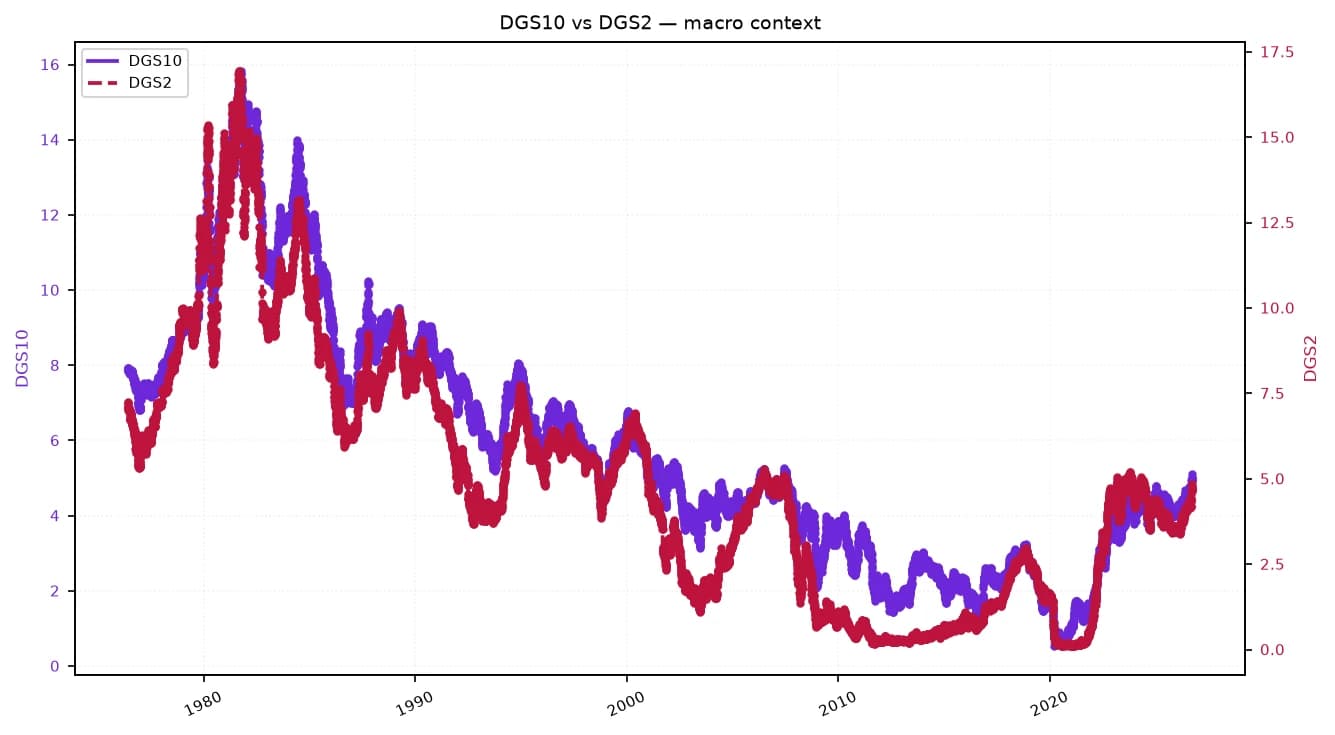
The broader rates backdrop also helps explain the coupon level. U.S. Treasury yields have remained high, with the 10-year around 4.79% and the 2-year near 4.39% in recent readings, while the Federal Reserve funds rate sits at 3.63%. Even though grenke is issuing in euros, global fixed-income pricing remains influenced by a world of sticky borrowing costs and cautious duration demand. That has kept corporate issuers from relying on the ultra-cheap refinancing windows that defined the previous decade.
For investors, the bond offers a relatively plain-vanilla investment-grade yield pickup, but the appeal depends on credit appetite rather than just headline income. Buyers are likely being compensated for a company-specific spread over sovereign benchmarks and for the possibility that funding conditions could stay tight longer than expected. Existing grenke bondholders may welcome the additional issuance as evidence of liquidity access, while equity investors will focus on whether the company can refinance without overly compressing returns.
The key question from here is whether grenke can continue funding growth at acceptable spreads if markets become more volatile or if rating pressure builds. The new bond suggests the company is still open to capital markets, but it also confirms that even solid borrowers are paying materially more for balance-sheet funding than they did before the current rate cycle turned.
| Entity | Gains | Losses |
|---|---|---|
| grenke Finance | ▲Funding access | ▼Higher interest expense |
| Bond investors | ▲4.625% coupon | ▼Credit and duration risk |
| grenke equity holders | ▲Balance-sheet liquidity | ▼Margin pressure |
| Competing lenders | ▲Relative spread advantage | ▼Squeezed pricing power |