Havells India is heading into a tougher earnings phase as rising input costs and likely losses at its Lloyd brand threaten to pressure margins just as the stock has already been marked down sharply from this year’s highs.
Havells India Faces Margin Pressure From Costs and Lloyd

That matters because Havells sits at the intersection of consumer demand, commodity inflation and operating leverage. When copper, aluminum and other core materials stay elevated, electrical goods makers can only pass on so much before volume growth slows. Add losses at Lloyd, Havells’ consumer durables arm, and the market is looking at a company that may have to spend more to defend share while earning less on every unit it sells.
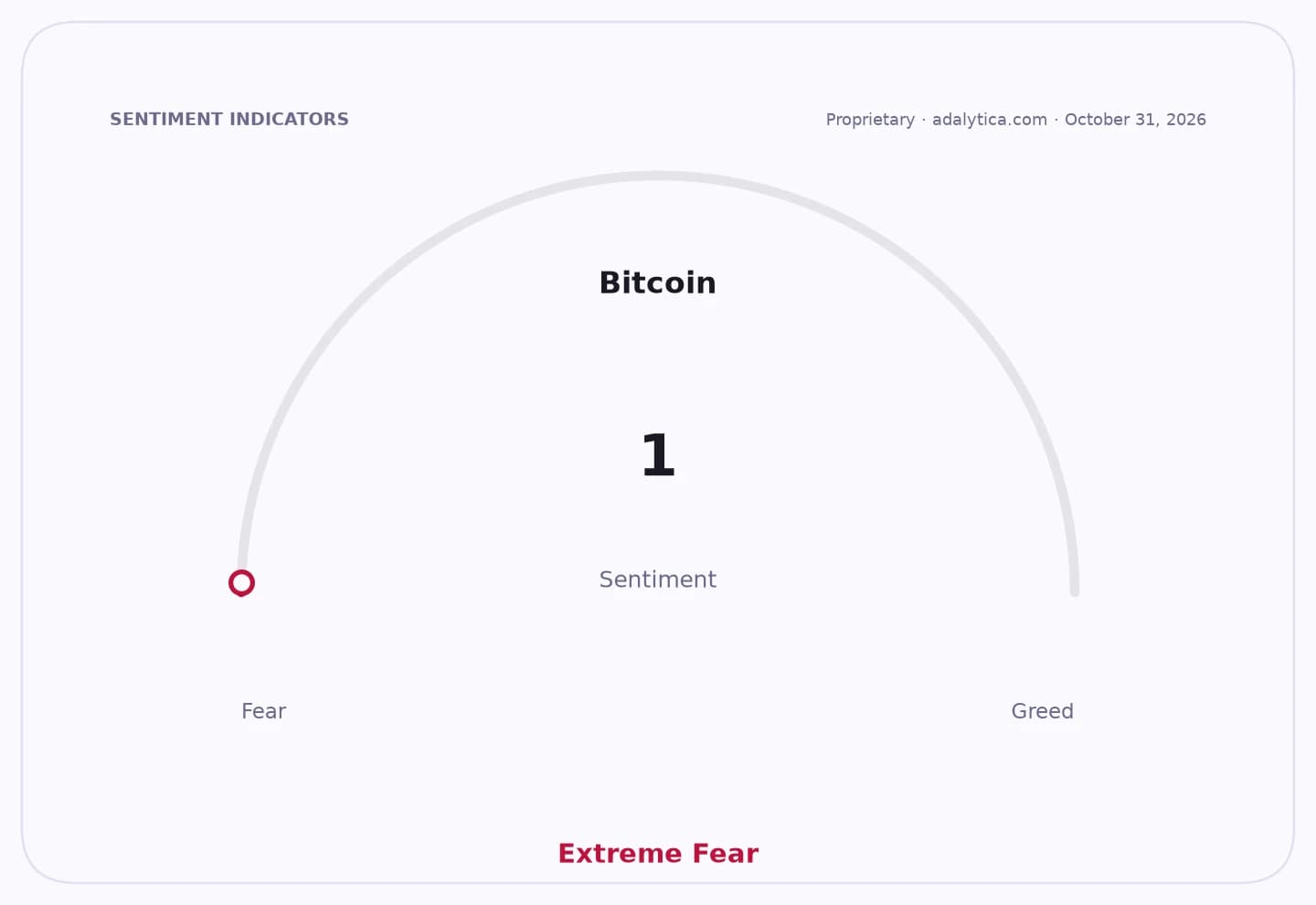
Sentiment Indicators
The broader inflation backdrop is not helping. U.S. producer prices are still running well above pre-pandemic levels, with the latest reading at 295.708 versus 257.897 a year earlier, a reminder that cost pressure is proving sticky across supply chains. Consumer prices have also climbed to 336.298, underscoring the persistence of inflation even as the labor market cools. For manufacturers, that combination tends to compress spreads rather than restore them.
For Havells investors, the message is simple: this is no longer a clean compounding story. The shares have fallen to about 1,020 rupees from 1,435.53 in January, while the 200-day moving average sits near 1,231 and the 50-day average near 1,123, a technical picture that reflects worsening sentiment. The stock’s relative strength index of 49.2 suggests it is no longer deeply oversold, but the trend is still weak enough to keep momentum investors cautious.
The risk is that Lloyd, which should be a growth engine, instead remains a drag on consolidated profitability. That would leave Havells reliant on price hikes and a better product mix to offset inflation, a formula that can work only if consumer demand holds up. So far, the market is not paying up for that possibility.
Investors should watch for evidence that pricing actions are sticking and that Lloyd’s losses are narrowing. If management can protect gross margins through the next round of cost inflation, the stock could stabilize quickly from depressed levels. If not, Havells risks another period of underperformance even if top-line growth remains intact. For now, the best opportunity is to treat the weakness as a margin story first, and a demand story second.
| Entity | Gains | Losses |
|---|---|---|
| Havells competitors | ▲Relative pricing room | ▼None directly |
| Havells India | ▲Potential future recovery if margins stabilize | ▼Near-term earnings pressure |
| Consumers | ▲Product availability | ▼Higher prices |
| Input suppliers | ▲Better pricing power | ▼No margin relief for buyers |