Health-care payrolls are coming under renewed pressure as wage gains for public-sector medical staff and a tight labor backdrop feed through to hospital and managed-care costs, a development that matters for margins across the sector and for investors pricing in already-stretched earnings expectations.
HCA, UNH, CVS Face Healthcare Wage Pressure
The immediate story is the labor bill: in Livonia’s healthcare system, the interim labor minister said two out of three health employees will get higher salaries, while the rest keep current pay. That kind of wage increase, even if targeted, reinforces a broader theme seen across U.S. hospitals and insurers — labor remains one of the most persistent cost drivers, and employers are still being forced to pay up to retain nurses, doctors and support staff.
Sentiment IndicatorsⓘProprietary · adalytica.com · July 29, 2026
This is a snapshot — live sentiment, awareness and momentum for 130+ markets update continuously in the dashboard.Open AlphaPulse
For investors, the implication is straightforward. Higher compensation can support staffing and reduce churn, but it also compresses operating margins unless payers can pass through the costs. That is especially relevant for hospital operators such as HCA Healthcare, where personnel constraints and wage inflation were flagged in the latest 10-Q, and for insurers including UnitedHealth and CVS, which face reimbursement pressure when provider costs rise faster than premium growth.
The stock tape shows the market is already sensitive to those swings. HCA has rebounded sharply from an April low near $431.60 to close at $407.73 on July 29 after a volatile run, while UNH and CVS have both recovered from earlier selloffs and are trading well above their spring lows. Still, the recent action suggests investors are watching earnings power closely rather than treating wage inflation as a temporary headline.
Technical indicators underscore that caution. HCA remains below its 200-day moving average, while UNH has slipped back after testing higher levels and CVS has cooled from overbought readings earlier in July, suggesting traders are still weighing cost inflation against the sector’s defensive appeal.
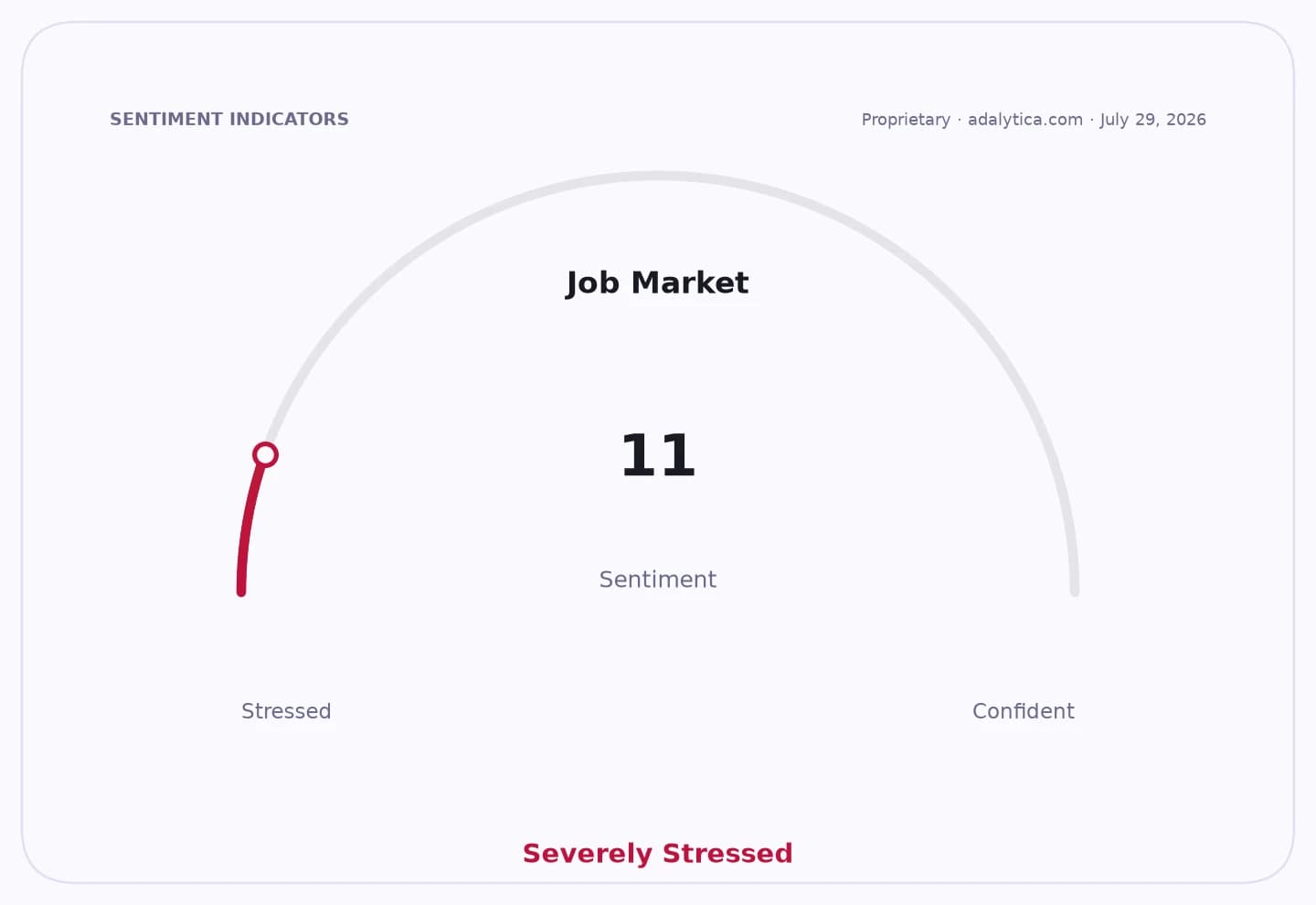
Broader wage pressure in healthcare comes as job-market sentiment remains weak on Adalytica’s Job Market gauge, which shows “Extreme Fear,” even as consumer confidence readings remain elevated. That mix points to a labor market where workers may still have bargaining power in essential services, keeping pressure on health-care operators to lift pay.
The next catalyst is earnings and guidance from hospitals, managed-care groups and pharmacy benefit managers, where any sign of margin squeeze from wages, staffing or reimbursement could reset expectations again.
| Entity | Gains | Losses |
|---|---|---|
| Health-care workers | ▲Higher pay | ▼No wage gains for others |
| Hospitals like HCA | ▲Better retention | ▼Higher labor costs |
| Insurers like UNH and CVS | ▲Stable staffing networks | ▼Margin pressure from higher reimbursements |