U.S. stocks finished lower in a volatile session, with health care dragging hardest as UnitedHealth, Eli Lilly and Abbott all sold off sharply and reinforced a broader risk-off tone in the market.
Health Care Leaders Lose Defensive Appeal
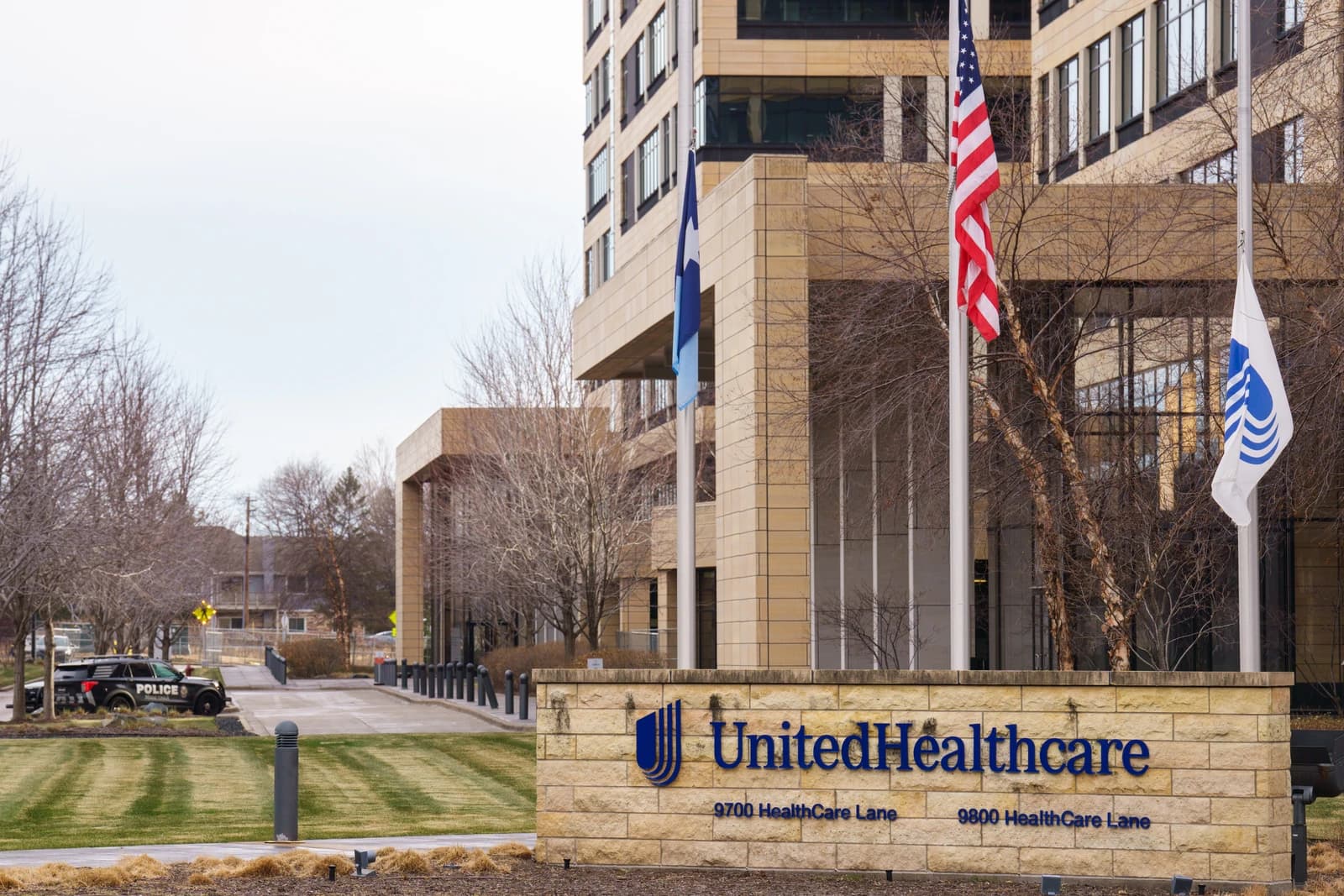
The move mattered because the losses were concentrated in some of the index’s biggest and most closely watched health care names, undermining the defensive bid investors often seek when broader sentiment turns fragile. With the S&P 500 already showing a jump in short-term market stress indicators from Adalytica.com’s trade-signal snapshot, the latest slide suggests investors were not buying safety even in sectors usually seen as havens.
Sentiment IndicatorsⓘProprietary · adalytica.com · July 16, 2026
This is a snapshot — live sentiment, awareness and momentum for 130+ markets update continuously in the dashboard.Open AlphaPulse
UnitedHealth was the clearest pressure point. Its shares fell to $423.38, after touching an intraday high of $461, on volume of 13.25 million shares, well above recent trading. The stock had been trading near $431 earlier in the week and remains above its 50-day and 200-day moving averages, but the heavy turnover and sharp reversal point to a market trying to reprice expectations rather than simply taking profits. Technical readings are still positive on a longer horizon, yet the stock’s momentum has cooled, with its RSI easing to 54.4 from overbought levels and its MACD trending down from recent highs.
Eli Lilly and Abbott were hit as well, deepening the sense that the health care sector was no longer providing insulation from the day’s volatility. Lilly closed at $1,169.17, off its recent peak around $1,235.56, while Abbott jumped in relative terms to $98.83 after a period of weak trading. Lilly still looks structurally stronger on the charts than many peers, but the pullback from above $1,200 shows how quickly high-multiple defensive growth names can be punished when investors reduce exposure. Abbott’s rebound from below $90 suggests some bargain hunting, but it also underscores how choppy sentiment has become in a segment that had been treated as a safe harbor.
The selloff in health care also matters economically because these companies carry enormous weight in passive flows and investor portfolios. UnitedHealth in particular is a bellwether for managed care and the broader U.S. health system, while Lilly remains one of the market’s most important growth stories tied to obesity and diabetes drugs. Abbott, with exposure across diagnostics, medical devices and nutrition, is often read as a proxy for global health spending. Weakness across all three can ripple through index performance, ETF flows and sector positioning, especially when the wider market is already sensitive to geopolitical tensions and erratic trading conditions.
The bigger narrative is that investors are moving from “defensive at any price” to “defensive only selectively.” That is a material shift. If higher-quality health care names can be sold off during a risk-off tape, it suggests the market is more focused on valuation, earnings durability and positioning than on sector label alone. The bear case is that this becomes a valuation reset in expensive defensives, particularly if macro uncertainty persists. The bull case is that the pullback simply reflects de-risking after strong runs and could attract long-term buyers into companies with durable cash generation and structural demand.
For now, the market is signaling caution. Until volatility eases and investors regain confidence in the earnings path, the leaders that had helped anchor portfolios may continue to be treated as sources of liquidity rather than shelter.
| Entity | Gains | Losses |
|---|---|---|
| Cash and short-term traders | ▲Volatility opportunities | ▼Directional conviction |
| Value buyers | ▲Lower entry points | ▼Near-term downside risk |
| Health care longs | ▲Structural franchises | ▼Multiple compression |
| Broad market indices | ▲None | ▼Heavyweight sector drag |