South Africa’s pickup buyers are facing a defining choice as Toyota rolls out an all-new Hilux while Ford counters with an updated Ranger, a rivalry that will shape the country’s most important light-commercial vehicle segment and test how far consumers can stretch toward the R1 million mark.
Hilux-Ranger Rivalry Tests South Africa Pickup Pricing
The stakes go beyond branding. Bakkies are not just aspirational purchases in South Africa; they are workhorses for small businesses, farmers and fleet operators, and among the most closely watched proxies for consumer confidence and replacement demand. With interest rates still elevated by local standards and household budgets under pressure, the ability of Toyota and Ford to justify higher sticker prices will determine whether demand stays resilient or starts to fracture into cheaper trims, used vehicles or competitors.
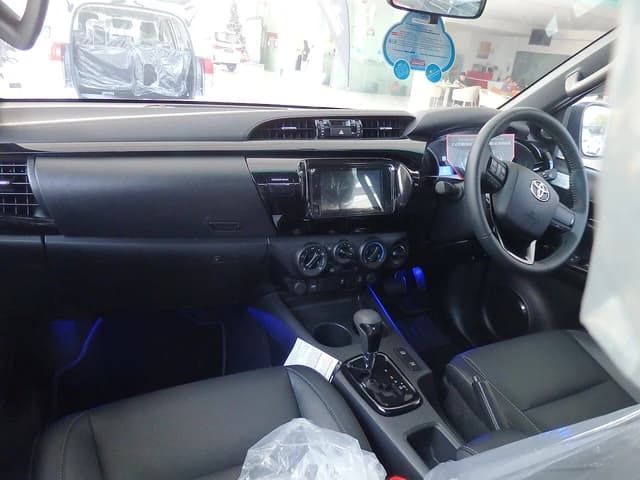
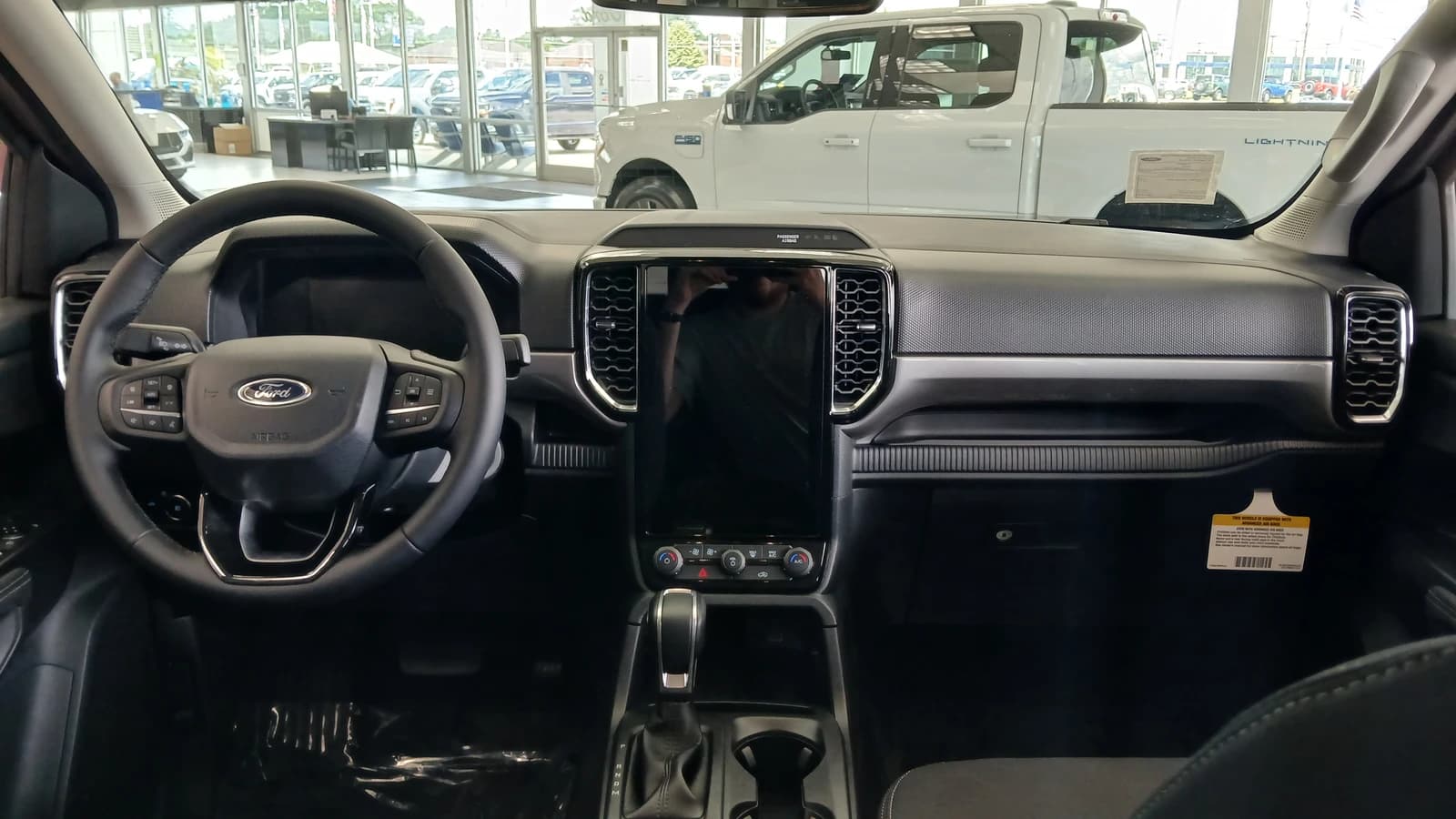
That is why the latest Hilux-versus-Ranger showdown matters economically. The segment sits at the intersection of private consumption, commercial activity and imported parts demand, so pricing power here has implications for dealers, finance houses and the broader auto supply chain. If the new Hilux can command a premium on durability, resale value and brand trust, Toyota preserves its long-held advantage in a market where buyers often trade up only when they believe the long-term running cost still pencils out. If Ford’s refreshed Ranger offers stronger equipment, technology and value for money, it can keep pressure on Toyota’s margins and force the market to reset what a “top-spec” bakkie should cost.
The comparison is especially important because the R1 million threshold has become a symbolic line in the sand. Once pickups move into that range, buyers stop treating them purely as utility products and start judging them against premium SUVs and imported crossovers. That raises the bar for cabin quality, safety tech and aftersales support. It also narrows the pool of eligible buyers, which means even small differences in finance deals, fuel consumption or resale expectations can swing market share.
Toyota’s advantage is that the Hilux remains a deeply entrenched nameplate with a reputation for toughness and local relevance. That matters in a market where trust often outweighs novelty. But Ford has built a stronger technology narrative around the Ranger, and an updated model gives it another chance to convert that into share gains. The bear case for both is that higher prices may be arriving just as affordability is peaking, leaving the fight to be won not by the most capable bakkie, but by the one that offers the best monthly instalment.
The latest trading signals around both parent companies underscore the broader market backdrop. Ford’s shares have recovered from earlier pressure and are trading above their 200-day moving average, while Toyota’s U.S.-listed stock has rebounded from a sharp spring selloff but remains well below earlier highs. That does not directly price the South African bakkie battle, but it does reflect a market still trying to weigh product strength against margin risk and slower global auto demand.
For investors, the key issue is whether this rivalry supports pricing power or exposes a ceiling. A strong launch cycle would suggest South African buyers still have room to absorb more expensive pickups, helping dealers, financiers and OEMs. A weak response would signal that affordability is now the binding constraint, which would favor used vehicles, entry-level derivatives and brands willing to compete on value rather than specification. The next test will be order books, fleet uptake and whether either model can hold residual values as the market digests the new price hierarchy.
| Entity | Gains | Losses |
|---|---|---|
| Toyota Hilux | ▲Premium pricing power | ▼Value-conscious buyers |
| Ford Ranger | ▲Tech-led share gains | ▼Margin if discounts rise |
| Dealers/financiers | ▲Higher-ticket sales | ▼Default risk from affordability |
| Buyers/fleet operators | ▲More choice | ▼Higher monthly instalments |