Honda and Toyota are pulling 1.6 million vehicles from the road over the risk that Takata airbag inflators could rupture in a crash, reopening one of the auto industry’s most damaging safety failures and raising fresh warranty and recall costs for both Japanese carmakers.
Honda and Toyota recall 1.6 million Takata airbags
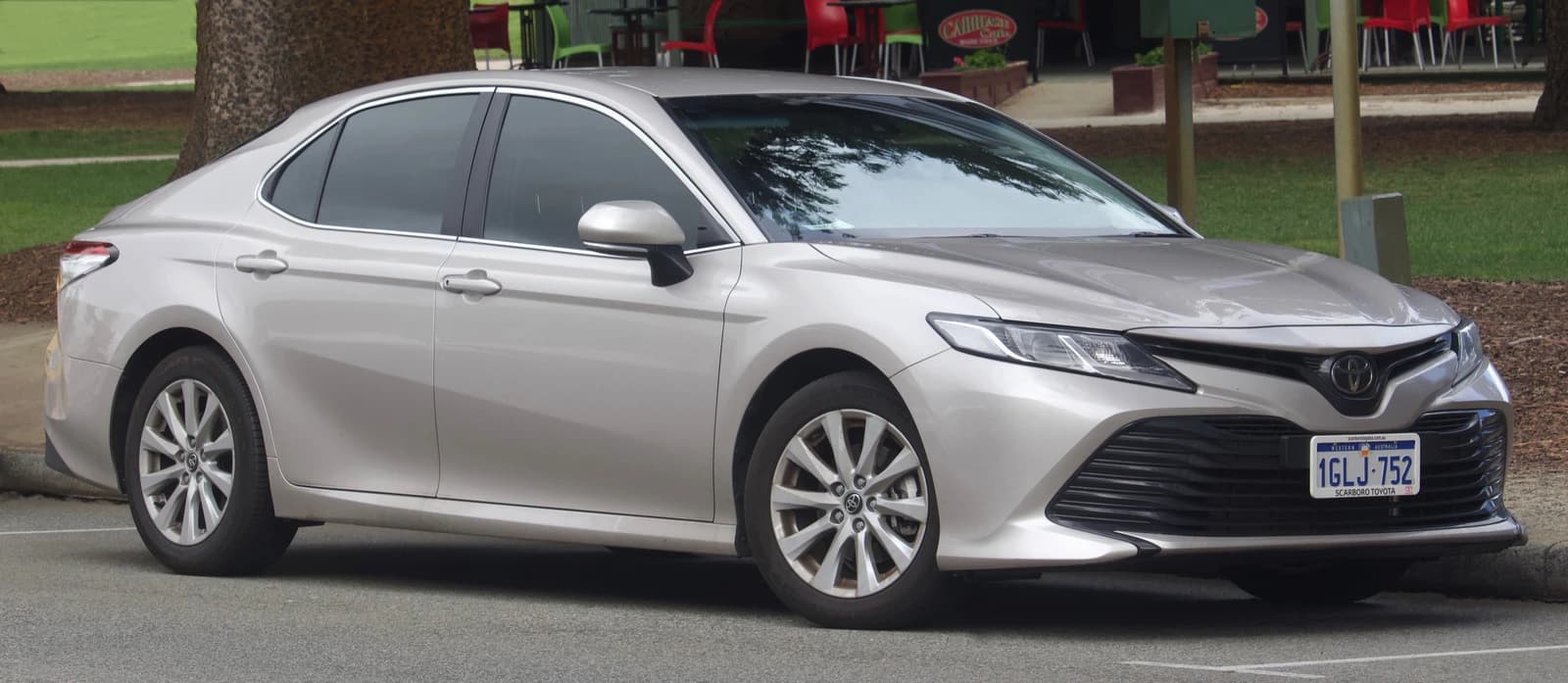
The latest action matters because it shows the Takata defect remains a live liability more than a decade after the original crisis, even as automakers continue to work through aging vehicles in the U.S. and other markets. For investors, the recall adds another potential drag on margins for Honda and Toyota at a time when automakers are already juggling higher parts costs, regulatory scrutiny and the expense of fixing legacy problems.
Honda said it is recalling 810,592 older U.S. vehicles, including certain 2012-2013 Honda Civic and CR-V models, as well as 2013 Accord, Acura ILX and Acura RDX vehicles. Toyota is recalling about 790,000 vehicles globally, including 314,000 in the U.S., spanning older Lexus SC430, Toyota Corolla, Tundra, Sequoia and 4Runner models.
The companies said they have not received reports of injuries, crashes or inflator ruptures tied to the latest recall. They also said they will replace the inflators, with Toyota saying replacement parts will be available by early 2027.
The move is notable because the vehicles involved use inflators with moisture-absorbing material, a step aimed at reducing the degradation that made earlier Takata parts so dangerous. NHTSA said independent testing and modeling helped the automakers move before a failure occurred, while Honda said long-term monitoring found deterioration in certain geographic regions with heat and humidity.
The recall also underlines how large the Takata overhang still is for the industry. More than 100 million vehicles worldwide have been recalled over Takata inflators over the past decade, including about 67 million in the U.S., after defective units were linked to metal fragments entering the cabin and at least 28 deaths in the U.S.
For shareholders, the immediate market hit is likely to show up less in sales disruption than in repair expense, legal exposure and the risk of more provisions if additional evidence emerges. Honda has already said it may need to recognize further recall-related charges, though it has not estimated the amount or timing.
| Entity | Gains | Losses |
|---|---|---|
| Honda | ▲Repairs risk before injuries | ▼Recall costs and legal exposure |
| Toyota | ▲Reduces safety liability | ▼Parts expense and warranty pressure |
| Vehicle owners | ▲Lower crash-time risk | ▼Inconvenience and service delays |
| Takata legacy issue | ▲Continued remediation | ▼Renewed scrutiny and industry costs |