Food safety concerns are back in focus after EFET ordered the withdrawal of parmesan flavored rice wafers from the market because worms were found in the packaging, underscoring how a single contamination incident can quickly become a public-health and reputational issue for food producers and retailers.
EFET Withdraws Parmesan Rice Wafers Over Worms
The immediate economic significance is limited to the affected product, but the broader implication is larger: recalls and withdrawals raise the cost of compliance, disrupt sales, and can erode consumer trust in packaged foods, especially in categories where quality perception matters as much as price. For manufacturers and distributors, even isolated contamination cases can trigger logistics costs, product returns and tighter scrutiny from regulators and retailers.
Sentiment Indicators
The story also lands in a period of heightened sensitivity around food safety. Recent policy moves in Fiji to modernize food safety law and shift toward a risk-based inspection model reflect a wider global push to focus on supply-chain controls rather than routine inspections alone. That makes incidents like this more relevant, because regulators are increasingly expected to demonstrate that food businesses can prevent contamination before products reach shelves.
For investors, the direct read-through is modest unless the recall expands, but it matters as part of a wider pattern in consumer staples: companies with strong quality controls and resilient brand equity tend to absorb such events better than peers with thinner margins or weaker oversight. Suppliers to supermarkets and foodservice customers can face short-term volume losses, while retailers benefit only if they can quickly replace stock and contain any reputational spillover.
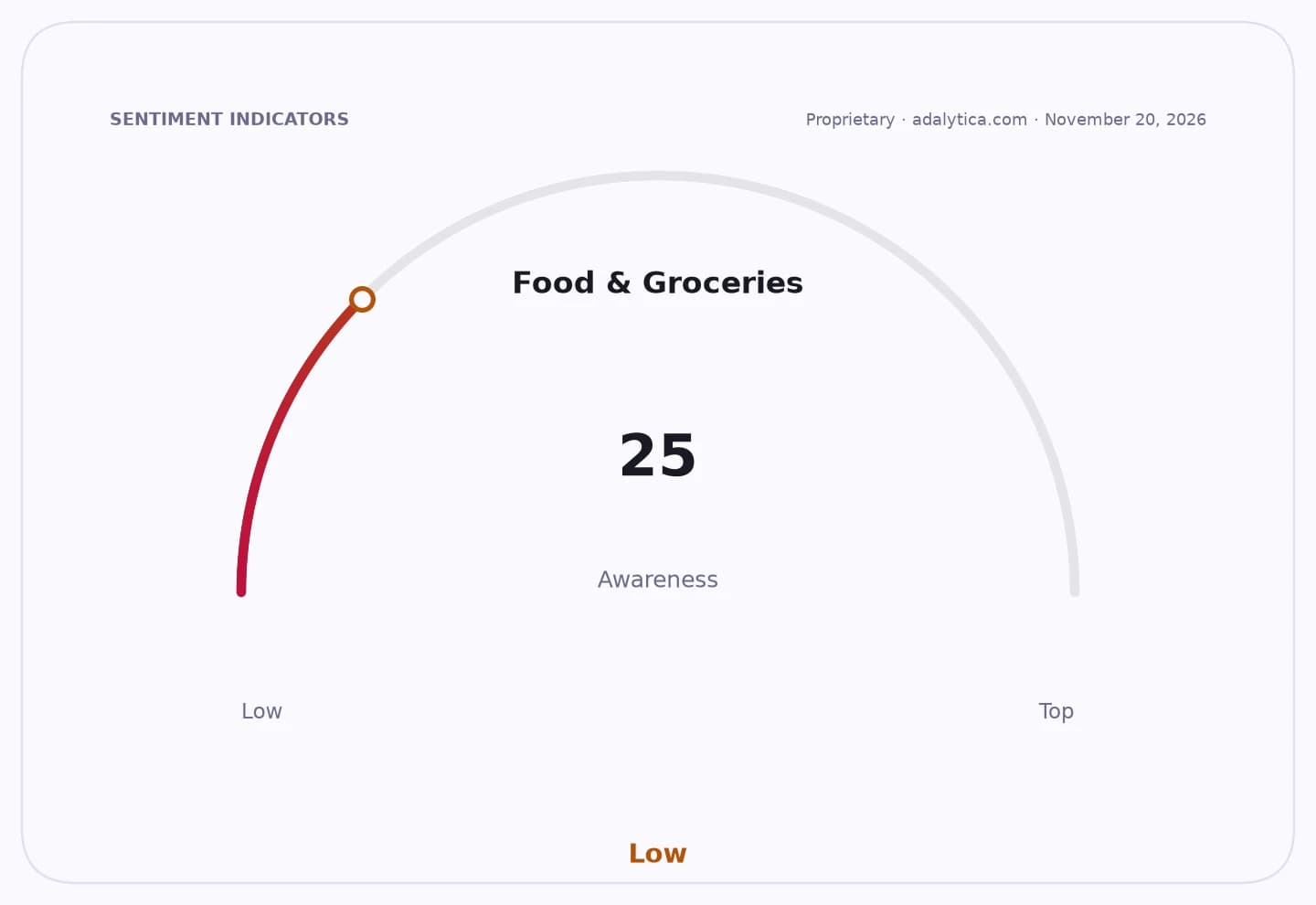
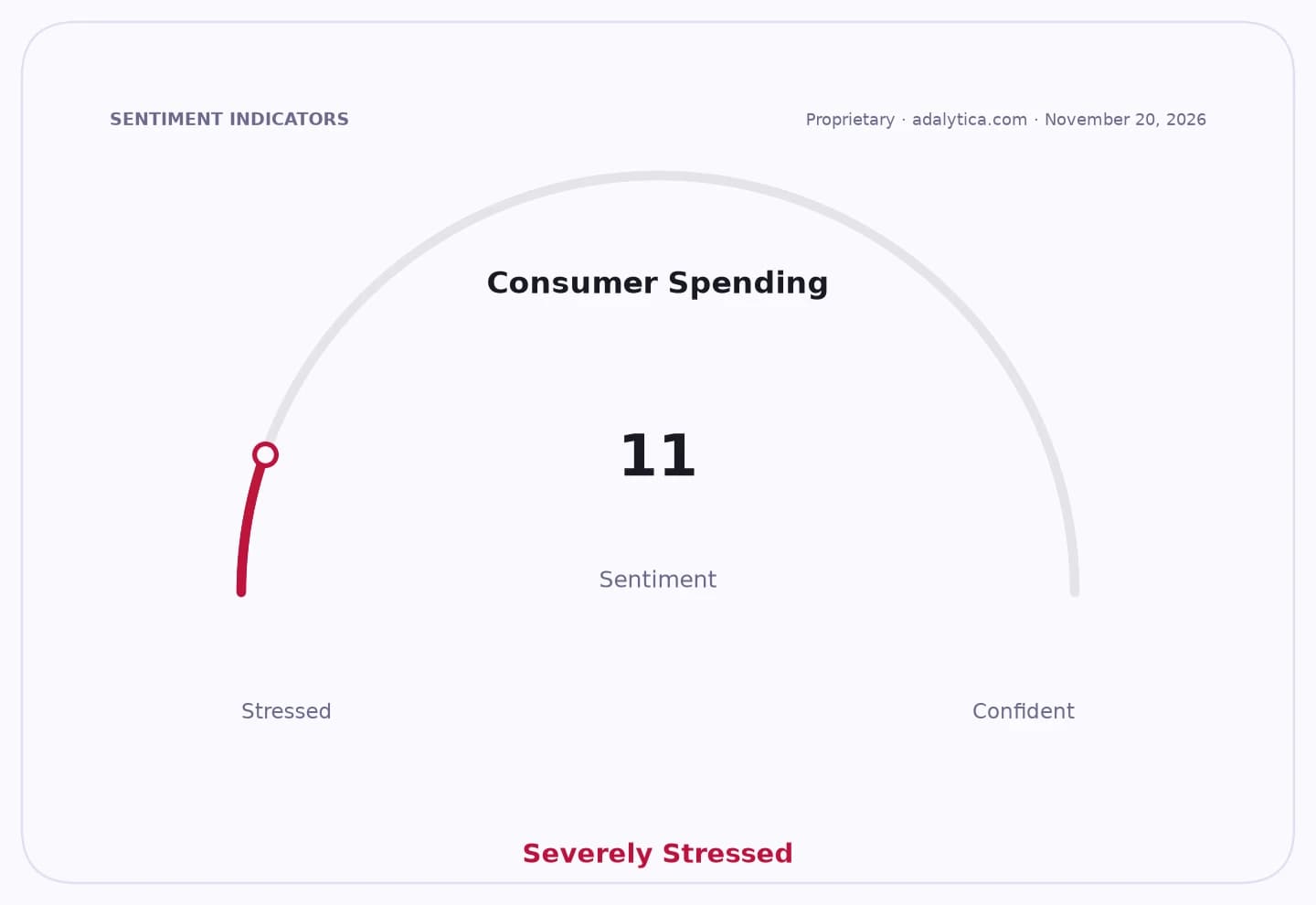
Adalytica’s Food and Grocery Spending Sentiment remains neutral, but the sharp drop in its awareness gauge to extreme fear suggests consumers are highly sensitive to food-safety headlines. That can amplify the commercial damage even when the underlying incident is contained.
The key question now is whether the withdrawal remains a one-off manufacturing problem or exposes broader quality-control weaknesses. If further products are implicated, the economic cost could widen quickly through additional recalls, regulatory action and brand damage; if not, the impact is likely to remain localized, but still a reminder that food safety failures can move faster than companies’ ability to contain them.
| Entity | Gains | Losses |
|---|---|---|
| EFET / regulators | ▲Stronger oversight credibility | ▼Pressure to act quickly |
| Consumers | ▲Safer shelves if withdrawal works | ▼Short-term product disruption |
| Food producers | ▲Incentive to tighten controls | ▼Recall costs and brand damage |
| Retailers | ▲Ability to replace stock | ▼Shelf gaps and trust risk |