Walmart and Amazon are pulling slide playsets from sale after regulators flagged an entrapment hazard, underscoring how a product-safety lapse can quickly spill into reputational risk, costly recalls and tighter scrutiny of online marketplaces and big-box retailers alike.
Walmart and Amazon pull slide playsets after recall
The recall matters because playground equipment is a high-liability category: even a design defect that affects only a subset of units can trigger injuries, litigation and follow-on enforcement pressure. For Walmart, which has been trading well above its 200-day moving average and carrying elevated technical momentum, the issue is less about near-term sales and more about the operational cost of policing third-party and imported merchandise across a massive assortment.
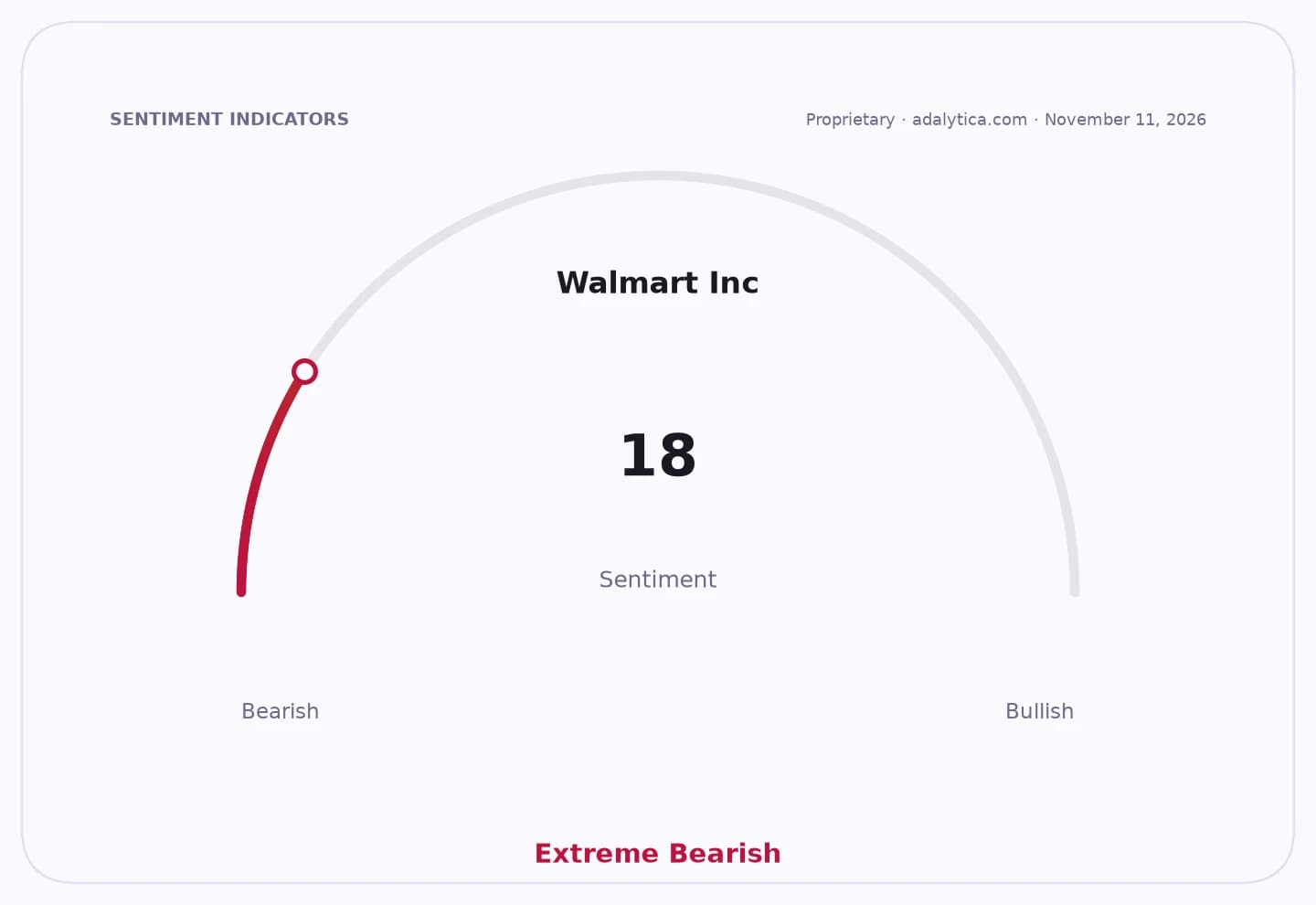
Sentiment Indicators
For Amazon, the recall lands squarely on a longstanding investor concern: the company’s exposure to seller and supplier risk. Its latest filing says it faces significant inventory risk and can be affected by fraudulent or unlawful seller activity. Product recalls on marketplace items can force refunds, logistics expenses and deeper compliance checks, while also reviving questions about how effectively the company screens consumer goods sold by third parties.
The broader economic backdrop is that retail platforms are being asked to absorb more of the quality-control burden once borne by manufacturers and distributors. That raises costs, but also raises the stakes for trust. In categories involving children’s products, furniture and equipment, any safety failure can hit margins indirectly through returns, legal exposure and tougher merchant rules.
Walmart Inc — 30-day sentimentadalytica.com
Explore this data interactively — full history, time series and cross-market comparisons.
For investors, the immediate financial impact is likely modest relative to Walmart’s and Amazon’s scale. The bigger issue is whether the episode becomes another example of rising operating friction in low-margin, high-volume retail, where growth depends on scale but scale also magnifies liability. If regulators widen oversight or retailers tighten sourcing standards, the winners will be firms with the strongest compliance systems and supplier controls; the losers will be merchants and marketplace sellers that rely on thinner vetting.
The recall also arrives at a time when market sentiment around Walmart has weakened sharply, with Adalytica’s Walmart Earnings Sentiment reading in “Fear” territory. That does not change the fundamental story on its own, but it reinforces how quickly safety actions can dent confidence when investors are already sensitive to execution risk.
| Entity | Gains | Losses |
|---|---|---|
| Consumers | ▲Lower injury risk | ▼Product inconvenience |
| Walmart | ▲Limits legal fallout if handled well | ▼Recall costs and reputational hit |
| Amazon | ▲Demonstrates enforcement of marketplace controls | ▼Seller oversight scrutiny |
| Third-party sellers | ▲Clearer safety standards | ▼Tighter compliance burden |