Amazon is heading into its next phase of growth with a far less forgiving financial profile, and that is the reality check investors have been ignoring. Free cash flow has swung to a $42.4 billion outflow, long-term debt has more than doubled to $173.1 billion in nine months, and capital spending is still headed higher, with spending expected to top $220 billion in 2026 and rise again in 2027.
Amazon capex, debt, and cash flow pressure

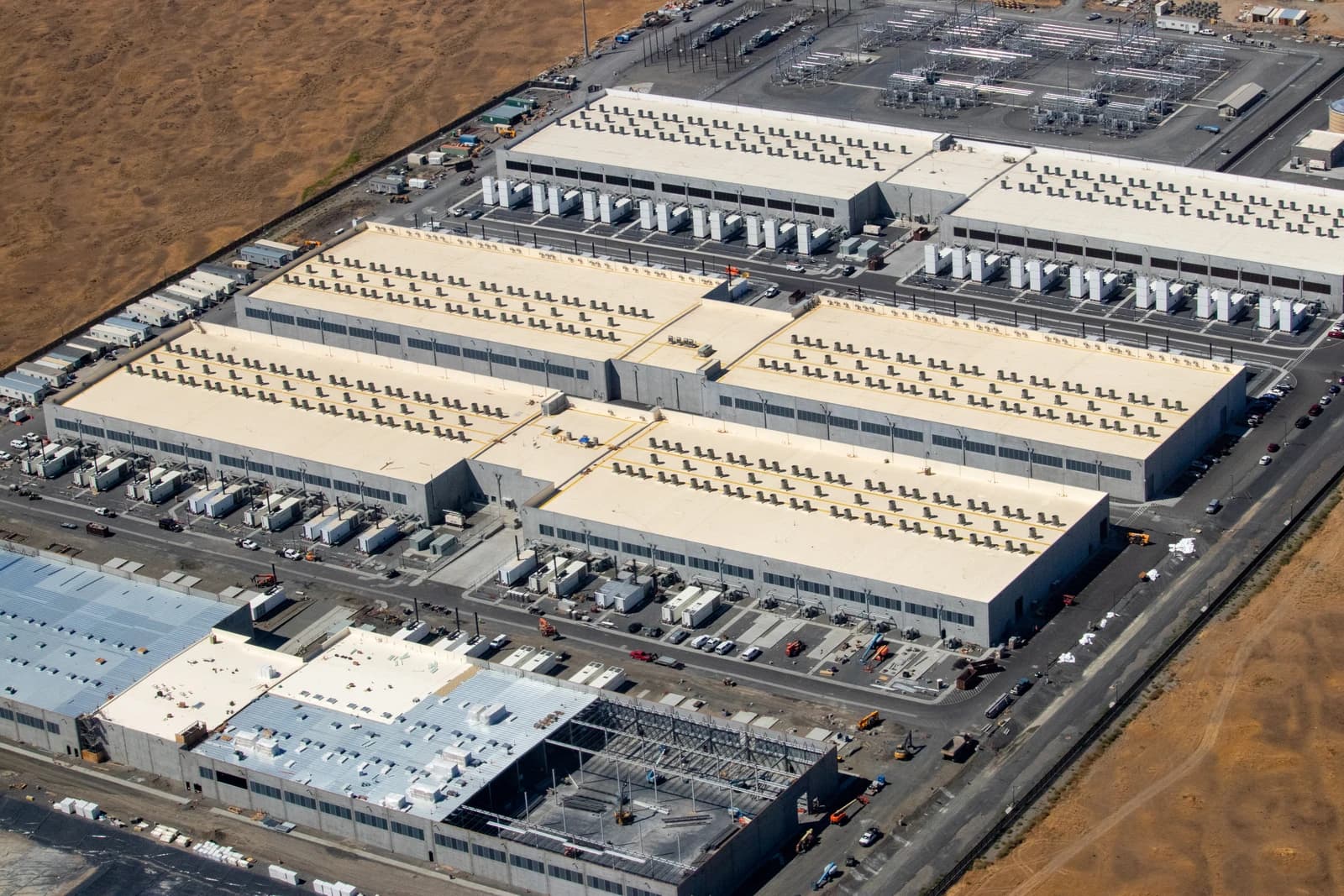
That matters because Amazon is no longer a story about asset-light scale alone. It is becoming a capital-intensive infrastructure company built around cloud, logistics and AI compute, and that shifts the investment case from “growth at any price” to “how much cash can this model really convert.” When capex rises faster than operating cash generation, the market starts to question whether earnings growth is translating into shareholder value or just funding the next round of infrastructure buildout.
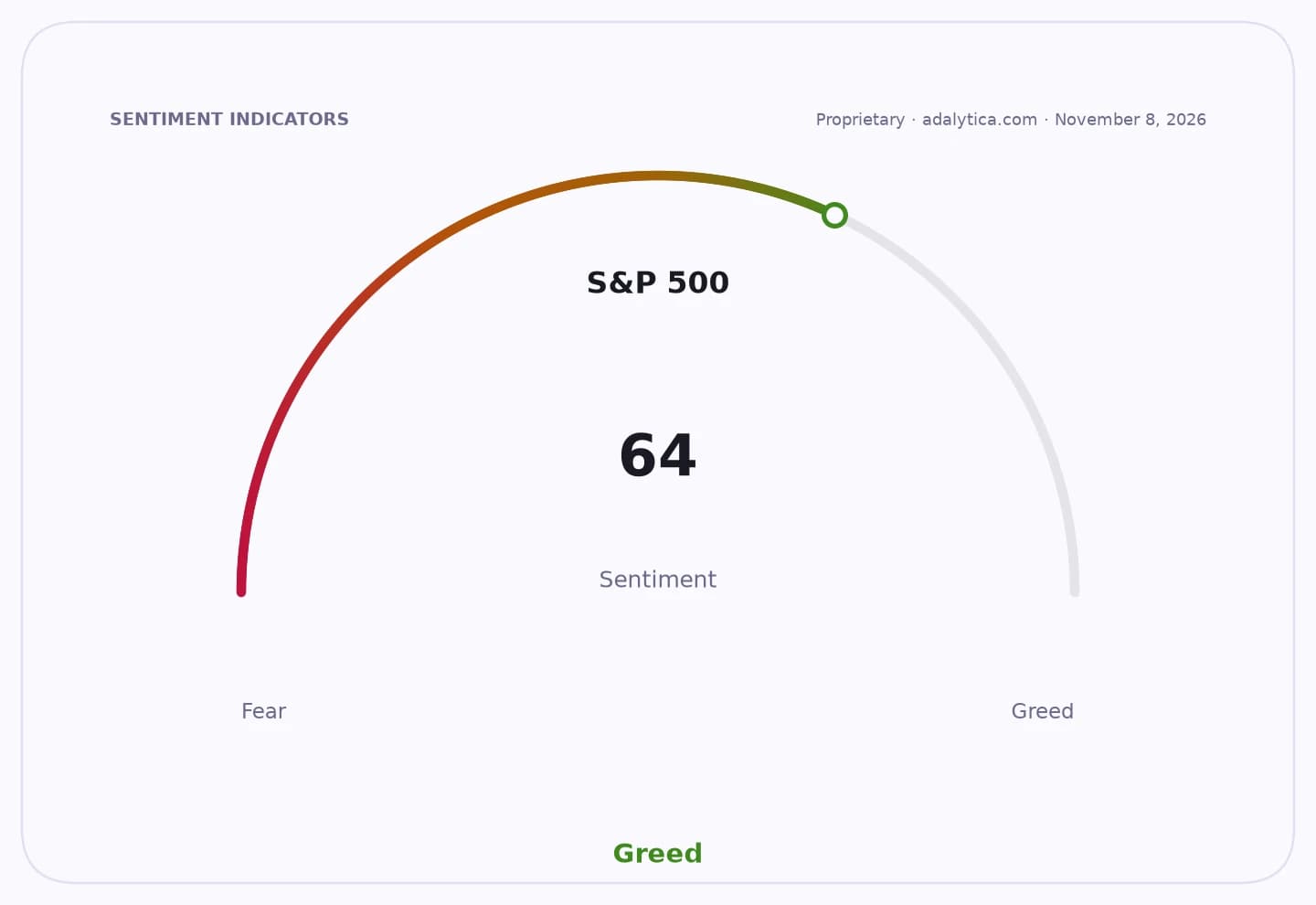
Sentiment Indicators
The pressure point is financing. With debt already more than doubled in under a year and higher interest rates still in the background, Amazon is leaning on the balance sheet to support an expansion that appears to be outrunning near-term cash generation. That is not a fatal problem for a company of Amazon’s scale, but it is a meaningful one for valuation. The stock can only command a premium multiple if investors believe future returns on this spending will be high and durable. If not, the market will eventually start treating the company more like a utility-heavy infrastructure operator than a compounding cash machine.
The regulatory backdrop adds another layer of risk. Amazon is still dealing with antitrust and consumer-protection scrutiny in multiple jurisdictions, including Japan, where it recently won approval from the Japan Fair Trade Commission for changes to product display practices and dropped a lowest-price condition after regulatory pressure. Those concessions may look incremental, but they underscore a broader theme: Amazon’s scale is increasingly constrained by rules around pricing, marketplace conduct and competition. That can raise compliance costs, limit flexibility and slow monetization in key international markets.
Investors should also notice what the market is already telling them. Amazon’s shares have rebounded sharply from earlier lows, with the stock still trading above its 200-day moving average, but momentum has been choppy and the 50-day average remains a near-term line in the sand. In other words, the market is willing to pay for the AI and cloud story, but it is not dismissing the cash burn story. That tension is exactly where opportunity and risk now collide.
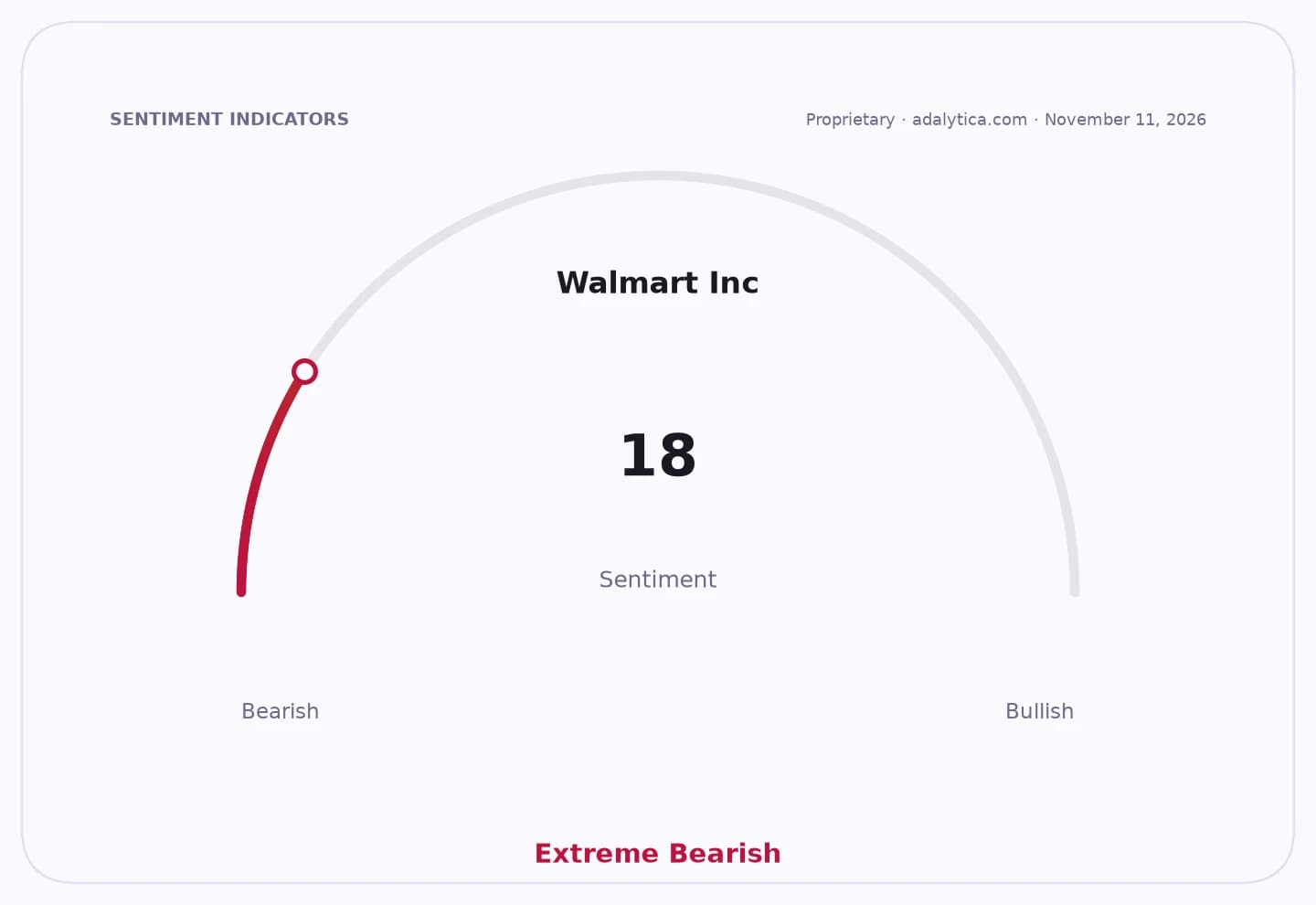
The broader setup favors a more selective trade across the sector. Walmart and Target look comparatively better positioned as traditional retail beneficiaries of any consumer spending rotation, while Amazon’s own heavy investment cycle increasingly creates winners deeper in the supply chain — from data center power, networking and chips to industrial buildout and logistics infrastructure. The key question is whether Amazon’s spending wave creates enough second-order profits elsewhere to justify the drag on its own free cash flow.
My thesis is simple: the market underestimates how much capital Amazon now has to deploy just to defend its next leg of growth. That does not mean the company is broken. It means the easy version of the Amazon story is over. For investors, the next move is to separate beneficiaries of Amazon’s spending from the stock itself, because the best returns may come from selling the picks-and-shovels of the buildout rather than owning the company funding it.
| Entity | Gains | Losses |
|---|---|---|
| Amazon | ▲Long-term scale | ▼Near-term free cash flow |
| Data center suppliers | ▲Capex surge | ▼None |
| Walmart | ▲Relative valuation support | ▼Less retail rotation upside |
| Target | ▲Defensive consumer trade | ▼Amazon competition pressure |