Best Buy is sharpening its price-match promise against Amazon, Target and Walmart, a defensive move that underscores how thin the margins are in consumer electronics retailing as shoppers remain highly price-sensitive heading into the holiday season.
Best Buy Raises Price Match Against Amazon, Target, Walmart
The policy matters because electronics are one of the easiest categories for consumers to compare online and in store, leaving retailers with little room to protect pricing power. By matching the biggest mass-market rivals, Best Buy is trying to reduce the risk that customers use its stores as a showroom and then buy elsewhere, even as it leans on service, installation and fulfillment to justify traffic.
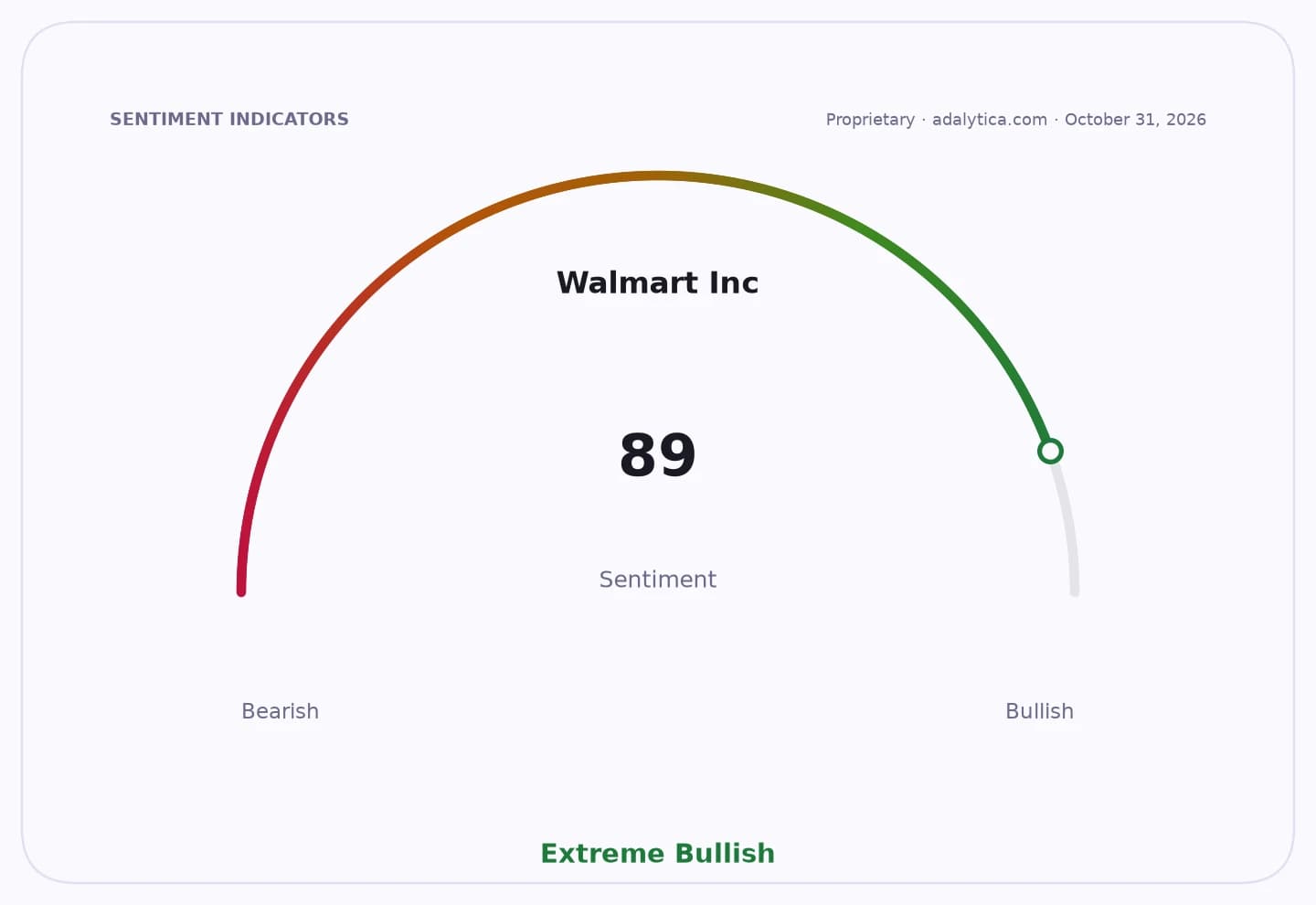
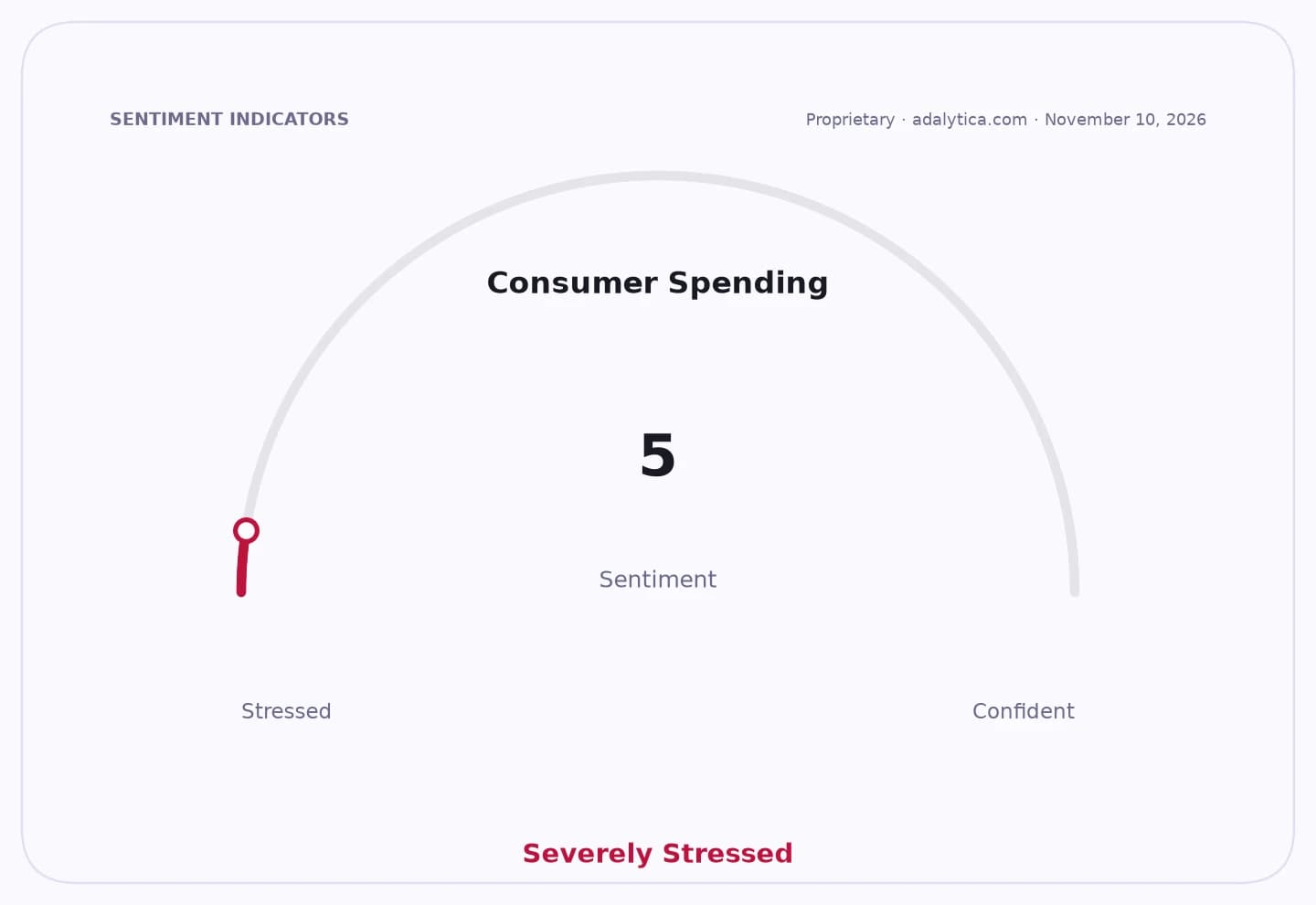
Sentiment Indicators
Investors tend to read price matching in two ways. On the bullish side, it can stabilize conversion and preserve market share in a category where demand is lumpy and driven by promotions. On the bearish side, it can compress gross margin if rivals keep discounting aggressively, especially if Best Buy has to defend key categories such as computing, mobile phones and home theater, which its recent filings say have helped comparable sales.
The stock has reflected that tension. Best Buy shares have risen sharply in recent months, climbing to $105.49 on Nov. 11 from $79.32 on Aug. 31, with momentum indicators such as the 50-day and 200-day moving averages both still trending higher. But the latest move also comes with the shares near the top of their recent trading band, leaving less room for error if holiday pricing turns more aggressive than expected.
The broader retail backdrop remains mixed. Walmart has continued to gain from grocery and omnichannel traffic, Amazon remains the benchmark for online pricing, and Target has been working to improve merchandising and digital fulfillment. For Best Buy, matching those chains is less about copying their business models than acknowledging the reality of a consumer still willing to wait for the lowest price on big-ticket gadgets.
That makes the new policy a signal of the competitive phase Best Buy is entering: less about expansion and more about defending volume in a market where price transparency is near-instant. The key question for investors is whether the company can hold traffic without giving back too much margin, a balance that will likely show up first in holiday sales and next in gross profit trends.
| Entity | Gains | Losses |
|---|---|---|
| Best Buy | ▲Higher traffic retention | ▼Margin pressure |
| Amazon/Target/Walmart | ▲Defensive pricing match | ▼Less pricing advantage |
| Consumers | ▲Lower prices | ▼Fewer premium margins for retailers |
| BBY shareholders | ▲Near-term sales support | ▼Risk of profit dilution |