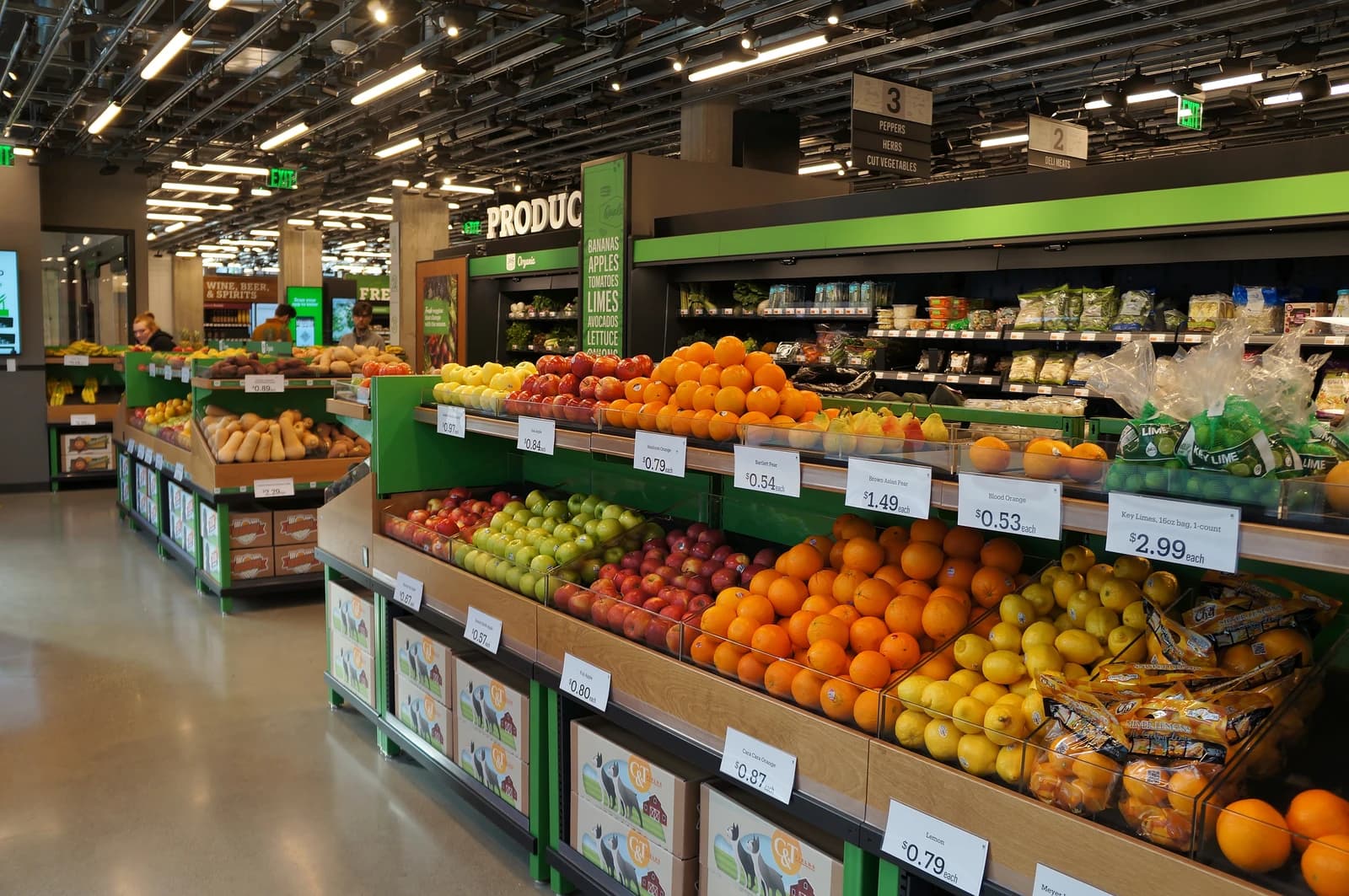
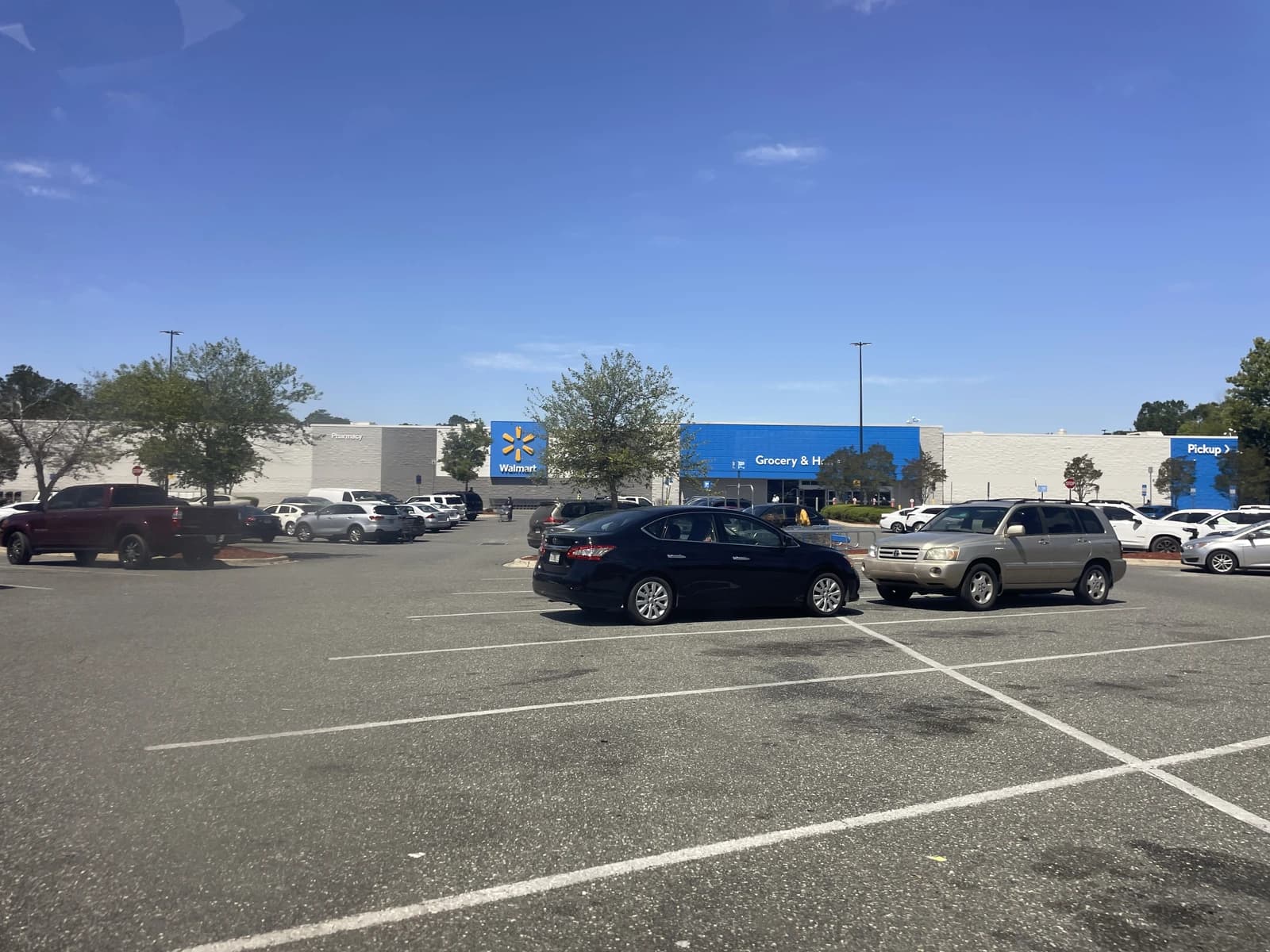
Walmart, Target and Publix are heading into the late-year shopping season with food inflation still doing the work of keeping grocery baskets expensive, even as consumers show signs of strain and retailers fight harder for value-conscious spending.
Walmart, Target, Costco face grocery inflation pressure
That matters because groceries remain one of the most visible and politically sensitive parts of inflation. Consumer prices, tracked by the CPI, rose to 336.3 in September from 333.0 in May, while producer prices for food and other goods have climbed to 295.7 from 290.3 over the same stretch, suggesting retailers are still operating in a cost environment that does not allow for broad price relief.
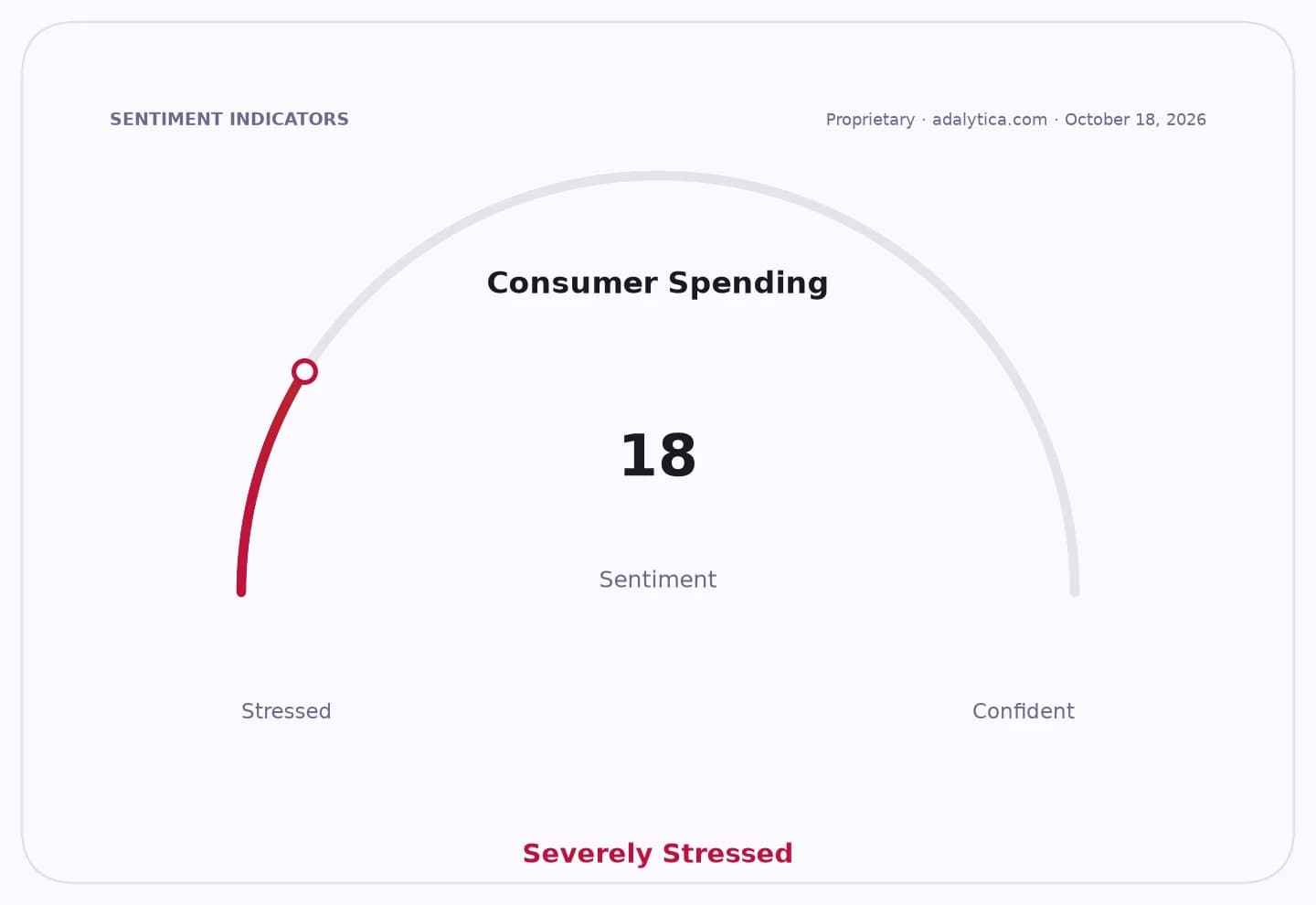
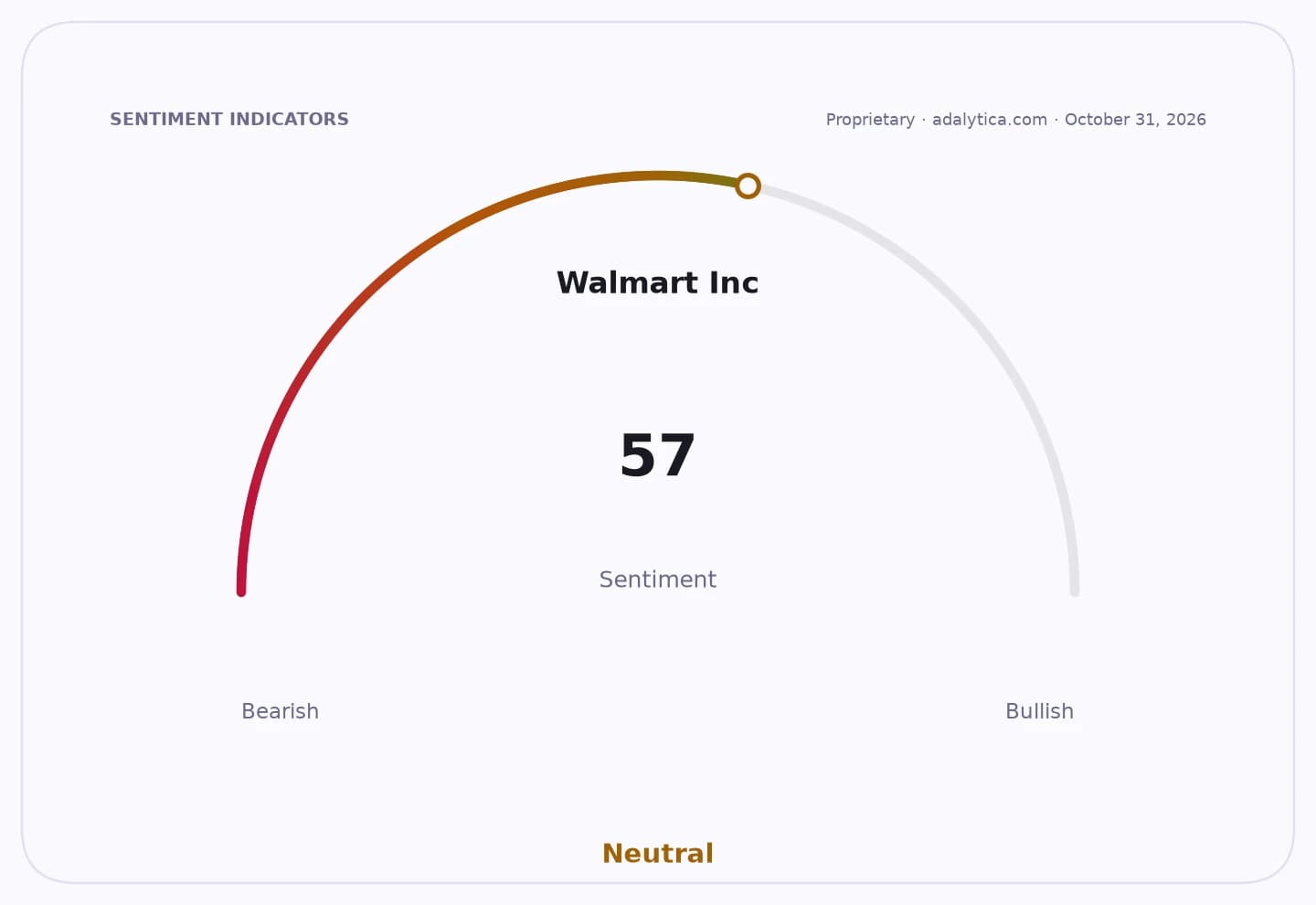
Sentiment Indicators
For investors, the pressure lands unevenly. Walmart has used grocery traffic and omnichannel scale to defend share, with its latest filing showing comparable sales growth driven by transactions and average ticket, helped by strength in grocery. The stock has held near $125.66, well above its 50-day moving average of $112.93, after recovering from a June low of $108.56, reflecting confidence that value-seeking shoppers keep coming through its doors.
Target has also benefited from a rebound, with shares at $165.90 above both the 50-day average of $156.47 and the 200-day of $134.41, but its gains have come with more volatility as investors weigh margin pressure and a less defensive mix than Walmart’s. Costco remains the premium operator in the group, with the stock at $1,066.18 versus a 50-day average of $953.63, underscoring how traders continue to reward scale, membership economics and pricing power.
CPIAUCSL vs PPIACO — macro contextadalytica.com
Explore this data interactively — full history, time series and cross-market comparisons.
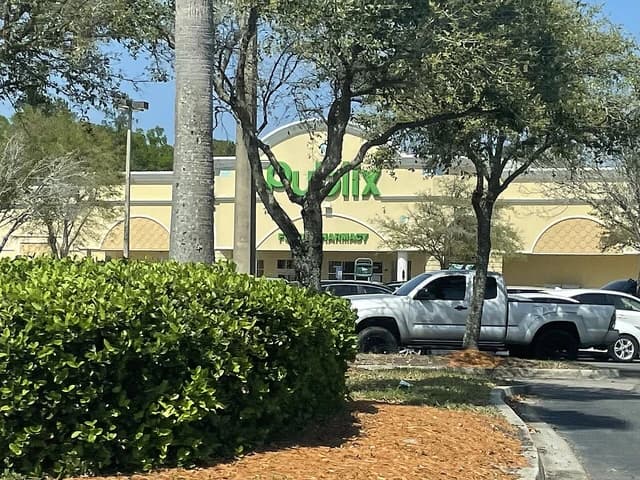
Publix, while private, remains central to the comparison because it sits in the same fight for grocery share across the Southeast. Its positioning depends on whether shoppers prioritize lower bills, convenience or loyalty, but the broader backdrop is clear: food spending sentiment from Adalytica has dropped to 29, with extreme fear in overall consumer spending at 5, signaling that households are still cautious even as nominal grocery prices stay high.
The narrative connecting the aisle-by-aisle competition is that inflation is no longer broad-based enough to lift all retailers equally. Instead, it is favoring chains with the deepest grocery traffic, the best supply-chain leverage and the most trusted value message, while forcing everyone else to defend basket share with promotions and tighter margins.
The next catalyst is the holiday quarter, when investors will watch whether food prices stabilize, whether consumers trade down further, and whether Walmart’s traffic advantage continues to outpace Target’s discretionary exposure and Publix’s regional loyalty.
| Entity | Gains | Losses |
|---|---|---|
| Walmart | ▲Grocery traffic and market share | ▼Margin flexibility |
| Target | ▲Rebound in shares | ▼Value-hunting shoppers |
| Publix | ▲Regional loyalty | ▼Price-sensitive consumers |
| Costco | ▲Premium valuation support | ▼Lower-income shoppers |