Amazon is expanding Prime with a new food-delivery tie-up that gives members more value and strengthens the company’s push to make the subscription harder to quit, even as consumers remain cautious and competition for household spending stays intense.
Amazon Prime Adds Food Delivery Tie-Up
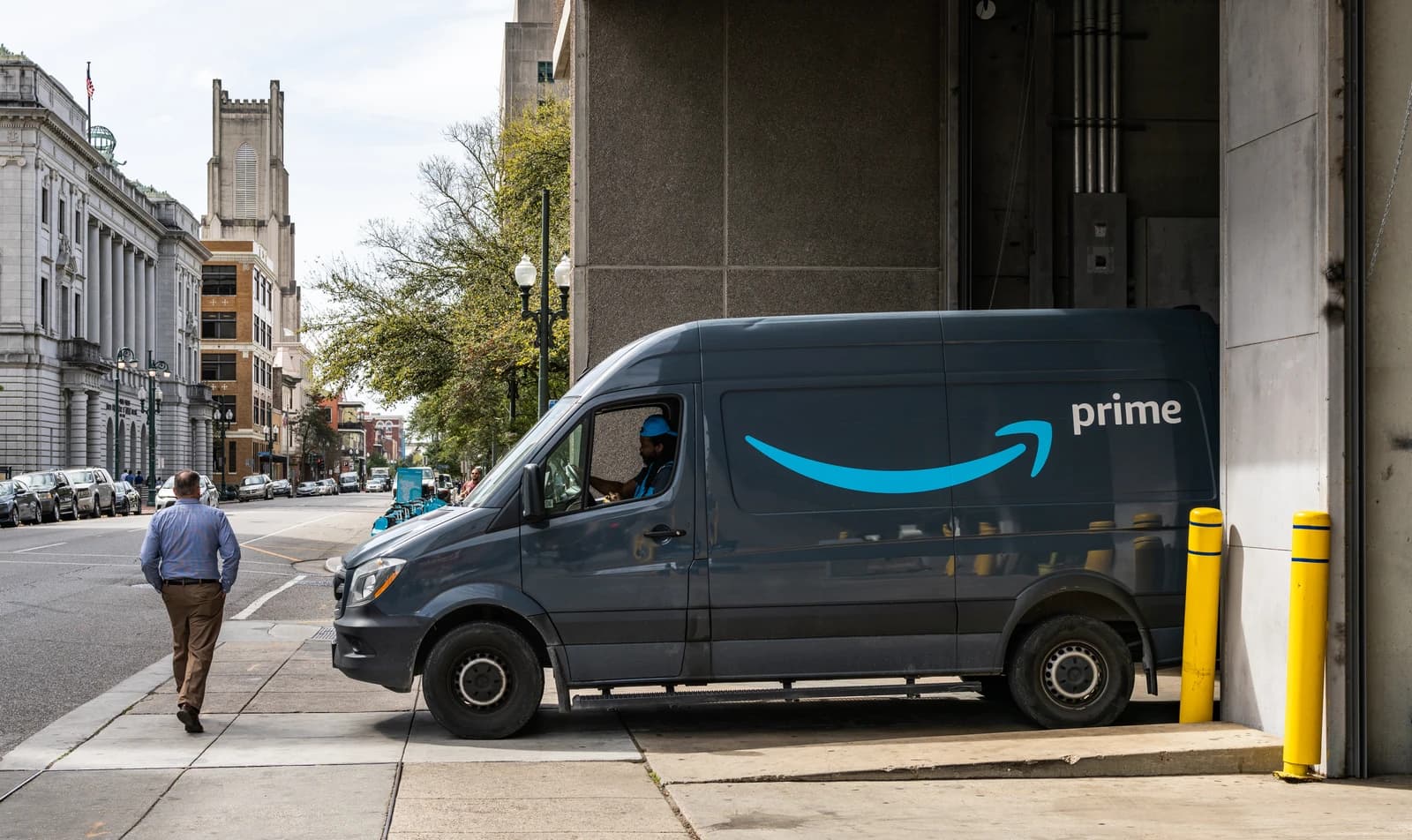
The move matters because Prime is one of Amazon’s biggest customer-retention tools. Every added perk increases the odds that members keep renewing, shop more often and shift more spending to Amazon rather than rivals in e-commerce, grocery and delivery.
Sentiment Indicators
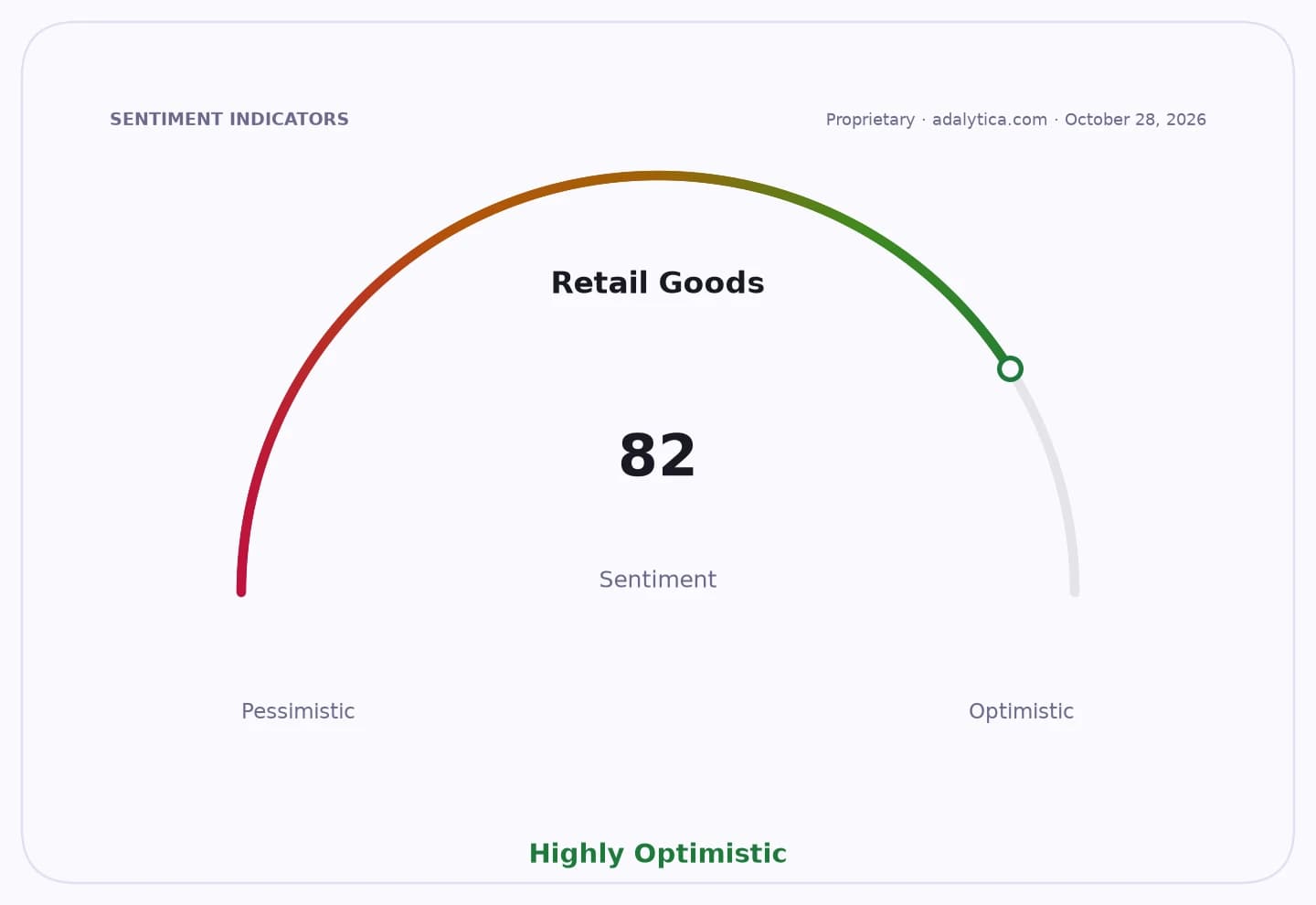
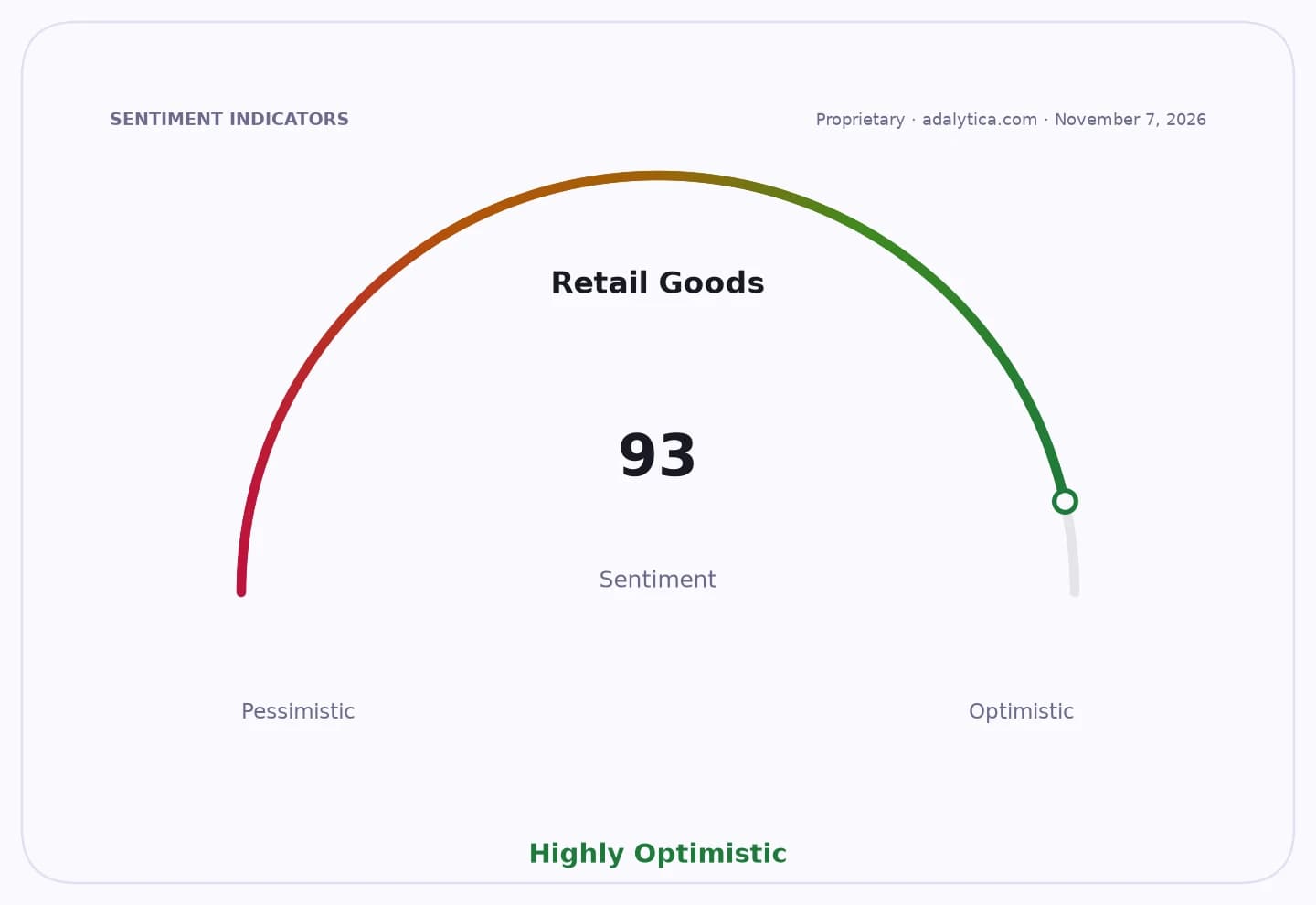
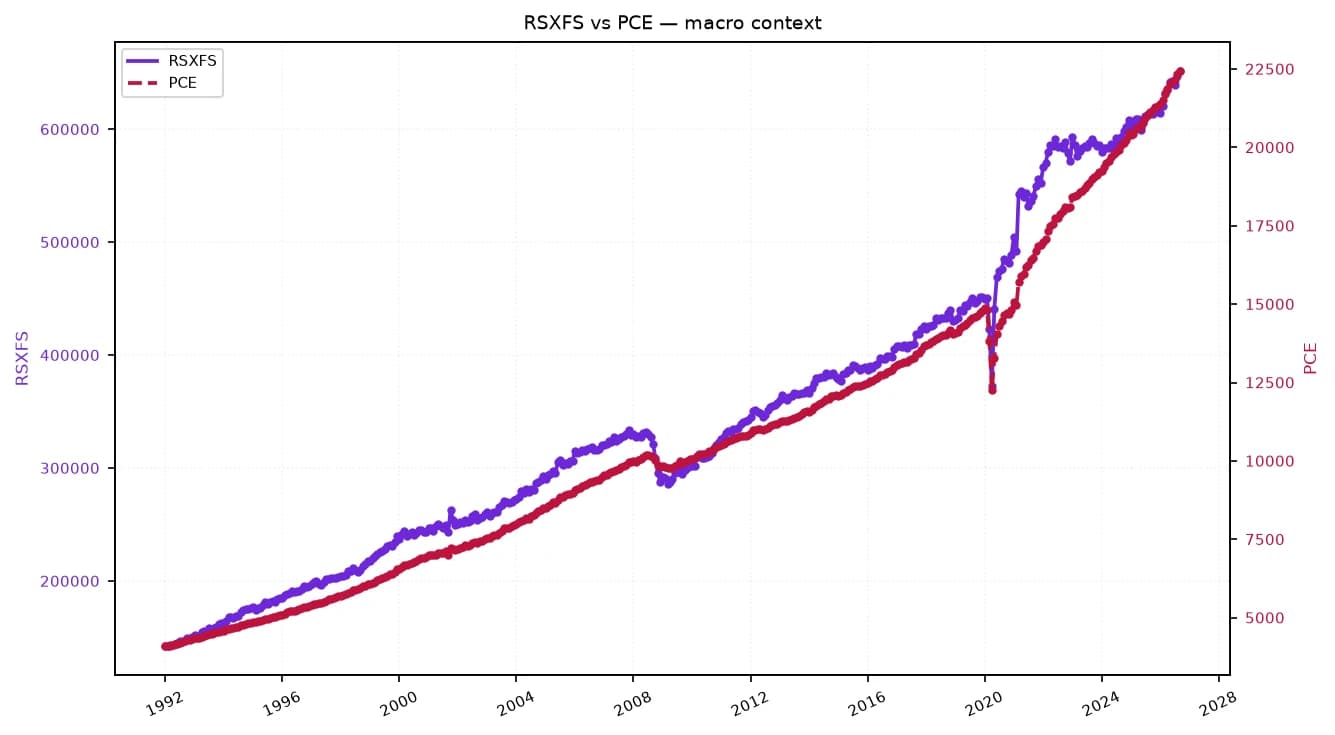
That matters economically because subscription loyalty can cushion demand when consumers are under pressure. Adalytica’s consumer spending sentiment sits at 54, neutral, while retail-goods spending sentiment has fallen to 21, deep in fear, suggesting shoppers are still selective and value-focused.
For investors, the question is whether Amazon can keep layering benefits without damaging margins. The stock closed at $266.66 on Wednesday, above both its 50-day moving average of $254.42 and 200-day moving average of $244.35, with RSI at 61.4, while MACD stayed positive, signaling the shares remain technically supported after a strong run.
Amazon has been using membership as a broader growth engine, similar to how retailers and subscription platforms try to lock in recurring revenue through perks, content and faster delivery. Rival loyalty programs, including Walmart+ and other membership bundles, are also chasing the same wallet share from stretched consumers.
The timing is notable because household spending signals remain mixed. SPY’s trading signals show extreme greed in awareness, but retail-specific sentiment has deteriorated sharply, underscoring the gap between the broader market’s risk appetite and the more cautious mood around discretionary spending.
Amazon’s next test is whether the extra Prime value lifts engagement enough to justify the added cost. Investors will watch upcoming subscription, retail and logistics trends for signs the company can turn membership expansion into steadier revenue growth without squeezing already thin retail margins.
| Entity | Gains | Losses |
|---|---|---|
| Amazon Prime members | ▲More perks, higher value | ▼Higher renewal expectations |
| Amazon | ▲Stronger retention, more spending | ▼Margin pressure from added benefits |
| Walmart+ and rivals | ▲— | ▼More pressure on loyalty offers |
| Consumers focused on value | ▲Better bundled savings | ▼Less flexibility to shop around |