Walmart is pulling nearly 4.5 million grill brushes from shelves and online listings, a reminder that even a low-cost private-label item can carry outsized legal and reputational risk when a consumer product fails in a visible way.
Walmart recalls 4.5 million grill brushes
The recall covers five Expert Grill products sold for as little as $1 and as much as $28 through Walmart stores and Walmart.com since January 2021, according to the U.S. Consumer Product Safety Commission. The issue is blunt: tiny wire bristles can break loose, stick to grills or food and cause internal injuries that may require surgery. No injuries have been reported so far, but the hazard is hard to spot and could affect millions of households that bought the products over several years.
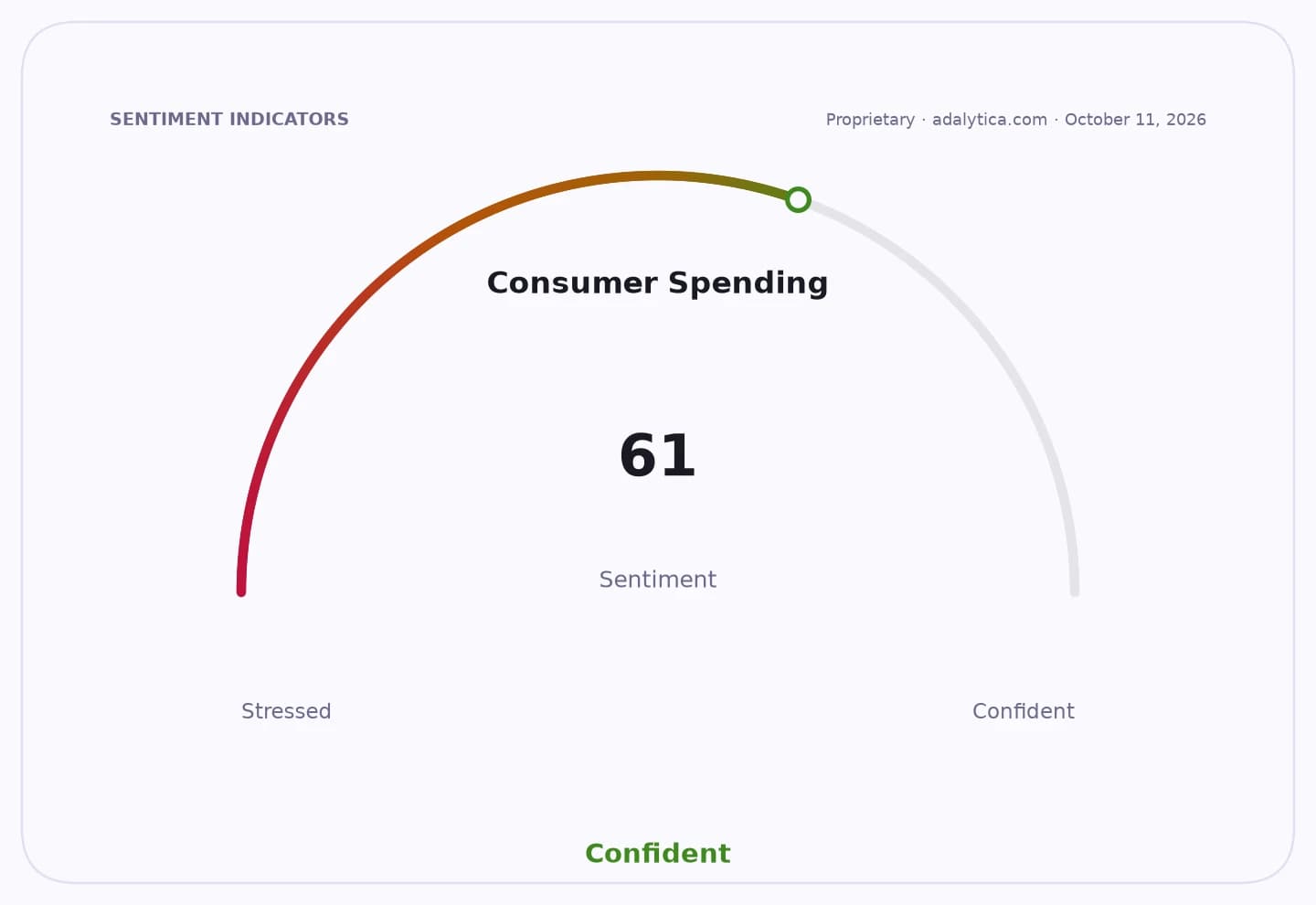
Sentiment IndicatorsⓘProprietary · adalytica.com · October 12, 2026
This is a snapshot — live sentiment, awareness and momentum for 130+ markets update continuously in the dashboard.Open AlphaPulse
That makes the recall economically relevant well beyond the barbecue aisle. Walmart’s edge is built on scale, price and trust, and this kind of defect threatens all three at once. A product sold at a dollar is not a profit engine by itself, but it is part of the retailer’s broader bargain proposition and its enormous private-label ecosystem. When a basic household or outdoor item is recalled on safety grounds, the cost is not just refunds or credits; it is a hit to merchandise credibility, compliance scrutiny and the discipline of Walmart’s sourcing model.
Investors should care because Walmart’s business is increasingly valued as a defensive compounder that can take share in weak consumer environments while expanding higher-margin categories. A recall does not change the core investment case, but it does expose the thin margin between efficient sourcing and operational risk. The products were manufactured in China and imported by Walmart, which means the incident also spotlights supply-chain oversight at a time when retailers are under pressure to keep prices low without compromising quality control.
The market has been willing to reward Walmart for resilience, with the shares supported well above their 50-day moving average even after a strong run. But headlines like this matter because they remind investors that the next leg of outperformance depends on execution, not just traffic and pricing power. In a market that prizes quality and reliability, recurring product-safety events can become a drag on the brand premium that helps Walmart trade like more than just a grocer-plus discounter.
The immediate impact should be limited to refunds, customer communication and reputational cleanup. The bigger question is whether the recall becomes an isolated quality lapse or part of a wider pattern that forces tighter supplier controls and higher compliance costs. For investors, the action is to stay focused on the scale leaders that can absorb operational noise — while watching closely for any sign that private-label execution is slipping.
| Entity | Gains | Losses |
|---|---|---|
| Walmart | ▲Refund goodwill; safety reset | ▼Brand trust; recall costs |
| Consumers | ▲Refunds; safer products | ▼Purchase inconvenience; injury risk |
| Competitors | ▲Relative trust advantage | ▼— |
| Suppliers/Manufacturers | ▲— | ▼Scrutiny; lost orders |