False advertising is moving from a consumer-rights issue to a balance-sheet issue, and that is what investors should care about. As online shopping and social platforms become the first stop for product discovery, misleading claims are no longer just a reputational problem — they can trigger fines, complaint surges, lower trust and tighter rules that hit ad budgets and marketplace economics.
Meta, Amazon and Walmart Face False Ad Risk

The core message is simple: the market underestimates how much profit is built on consumer confidence. When advertisers exaggerate product quality, size, ingredients or performance, the damage does not stop with one bad purchase. It erodes conversion rates, raises refund and enforcement costs, and invites lawmakers to impose tougher disclosure standards on the platforms and retailers that host or amplify the ads.
Sentiment Indicators
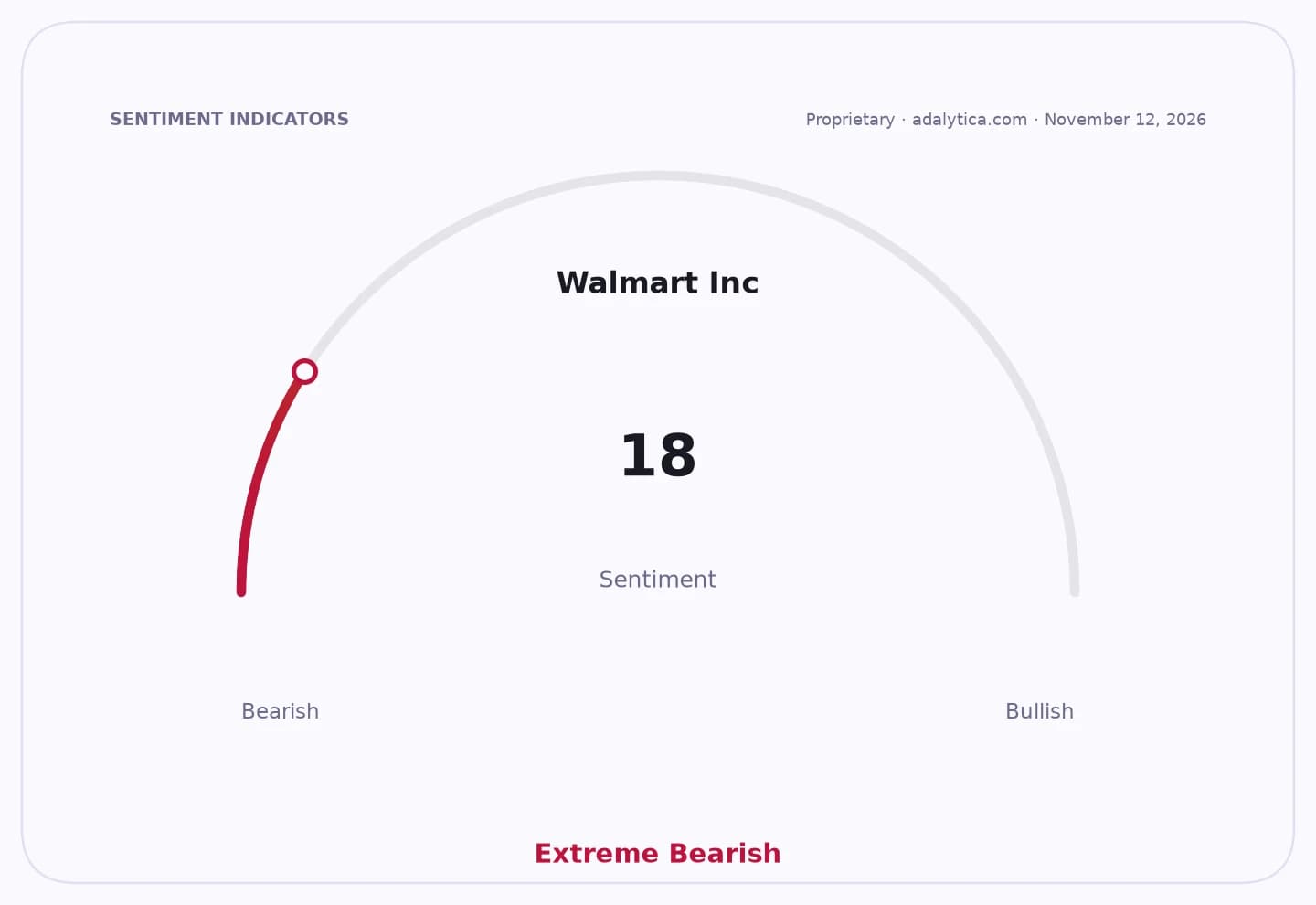
That makes this a direct issue for Meta, Amazon and Walmart. Meta lives on advertising revenue and has already told investors in its 10-Q that enforcement efforts or deceptive advertising claims could reduce marketer spend or demand for ads. Amazon has warned of the fallout from fraudulent or unlawful seller activity. Walmart, whose shares have climbed to $125.67, is also exposed through its sprawling digital marketplace and advertising ecosystem, where trust is part of the margin equation.
The stock action shows investors still reward scale, but the technical picture suggests the easy upside may be behind them. Walmart is trading above both its 50-day and 200-day moving averages, with its relative strength index at 59.8, after a sharp run earlier in the year. Amazon, at $266.17, is also holding well above its 200-day average, while Meta has rebounded to $628.77 but remains below its 50-day moving average after a steep pullback from this year’s highs. In other words, these companies are still leaders, but they are not priced like risk-free compounding machines.
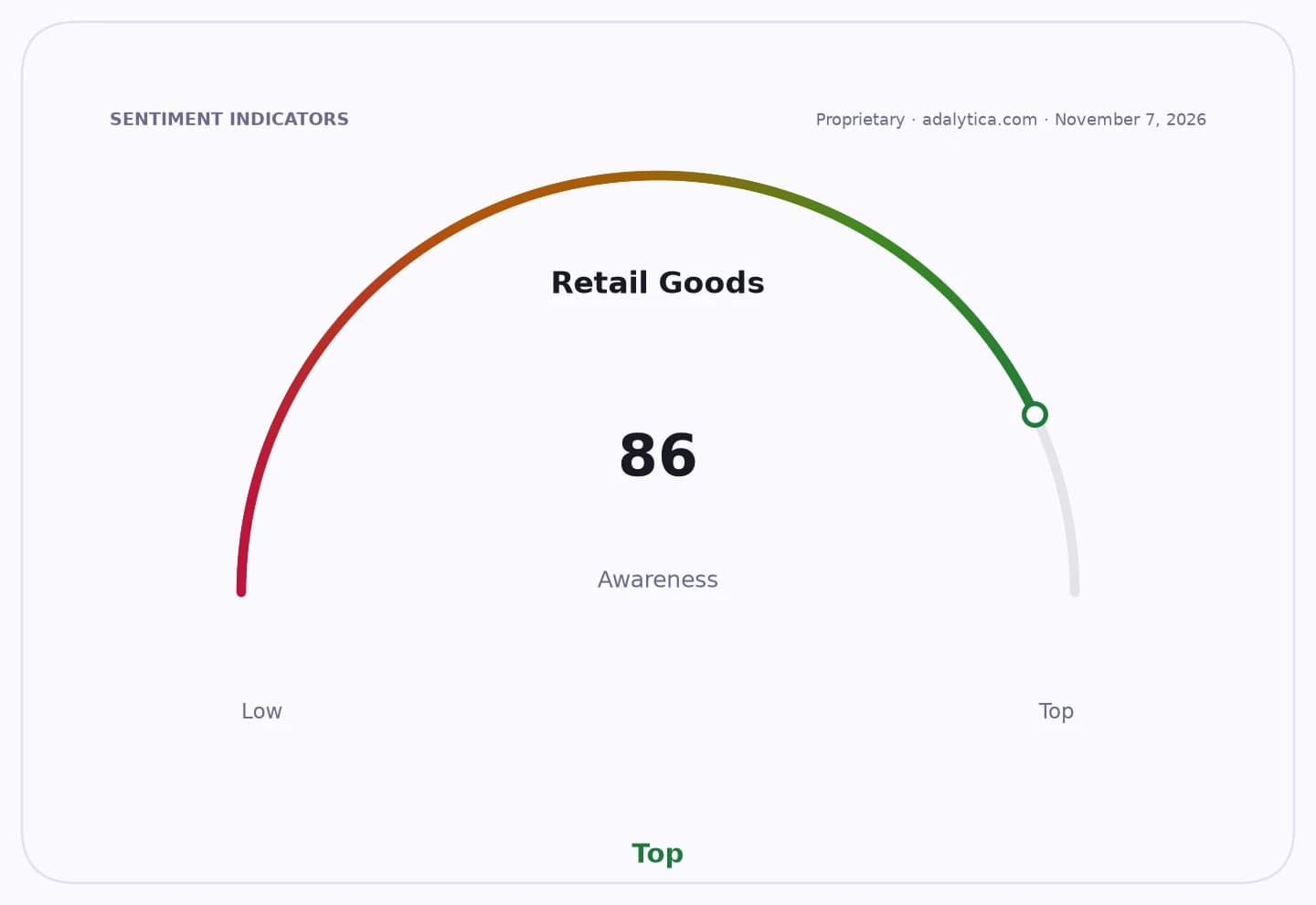
The broader investing takeaway is that tighter anti-fraud enforcement in advertising should not be read only as a drag. It is also a competitive moat for the platforms and retailers that can police their ecosystems better than smaller rivals. Stronger brands, cleaner marketplaces and better verification tools should win share as regulators and consumers punish the players that treat misinformation as a growth hack.
For investors, the opportunity is not to avoid the sector, but to favor the firms that monetize trust rather than burn it. I believe the next phase of digital commerce will reward the biggest platforms that can prove what is being sold, who is selling it and whether the ad matches the product. That is where the durable cash flow will be.
| Entity | Gains | Losses |
|---|---|---|
| Meta | ▲Cleaner ad market; trust premium | ▼Lower ad spend from bad actors |
| Amazon | ▲Stronger marketplace credibility | ▼Refunds, enforcement costs |
| Walmart | ▲Better marketplace trust | ▼Margin pressure from compliance |
| Consumers | ▲Better product accuracy | ▼Fewer deceptive offers |