Stable long-term borrowing costs are doing little to change a housing market in which many landlords still have room to cut rents, leaving the benefits of lower rates concentrated among a narrow group of owners and developers.
Housing REITs Face Limited Rent Growth at 4.7% Yields

The 10-year Treasury yield, a key benchmark for mortgage and real estate financing, has been hovering around 4.7%, with a recent forecast at 4.707% after a move to 4.73%. That is high enough to keep debt service elevated and cap the relief that listed rental housing companies can pass through to their bottom lines, even as inflation has eased from its peak. Consumer prices have flattened in recent months, but housing remains the sticky part of the inflation picture and the biggest reason affordability is still strained.
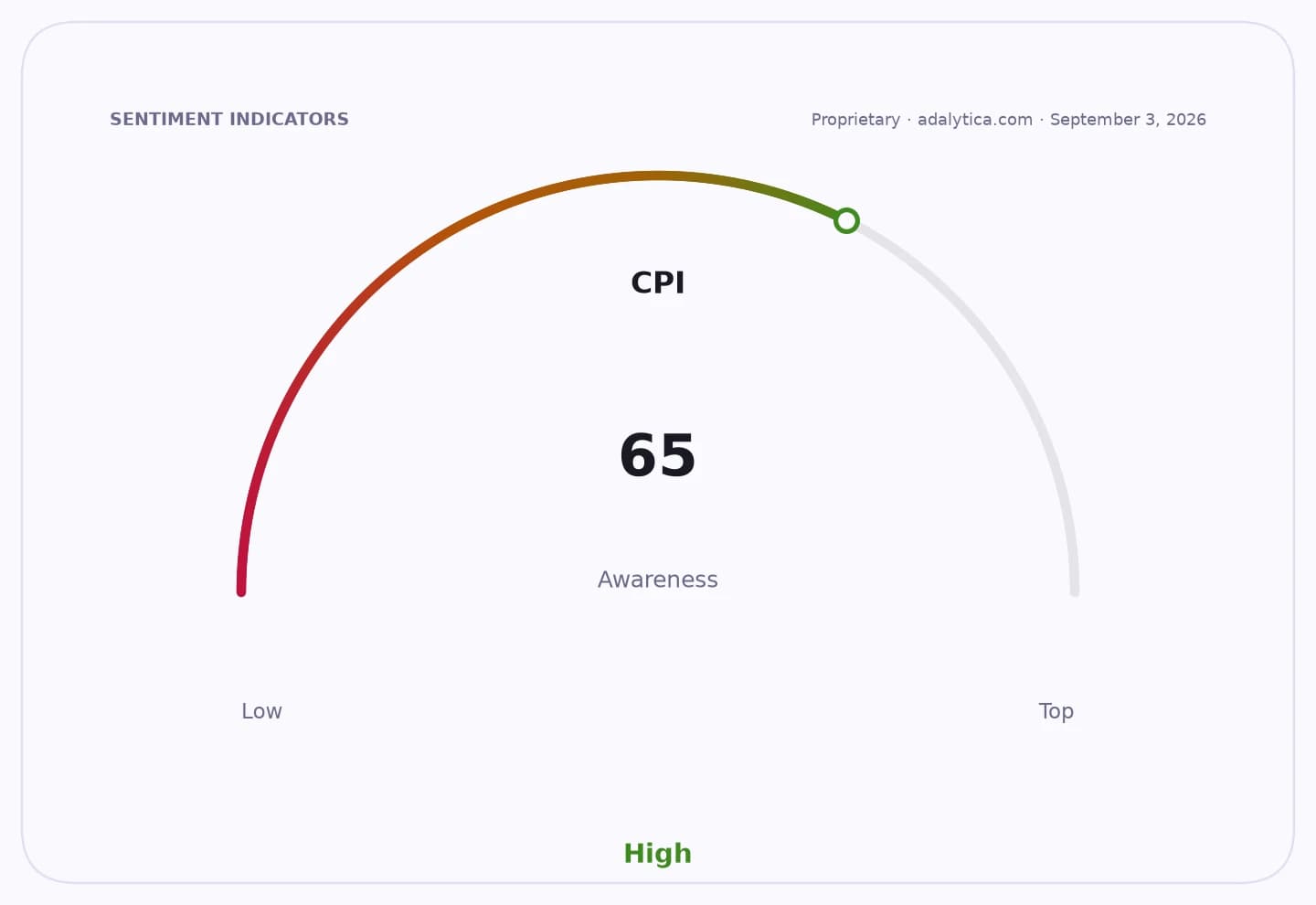
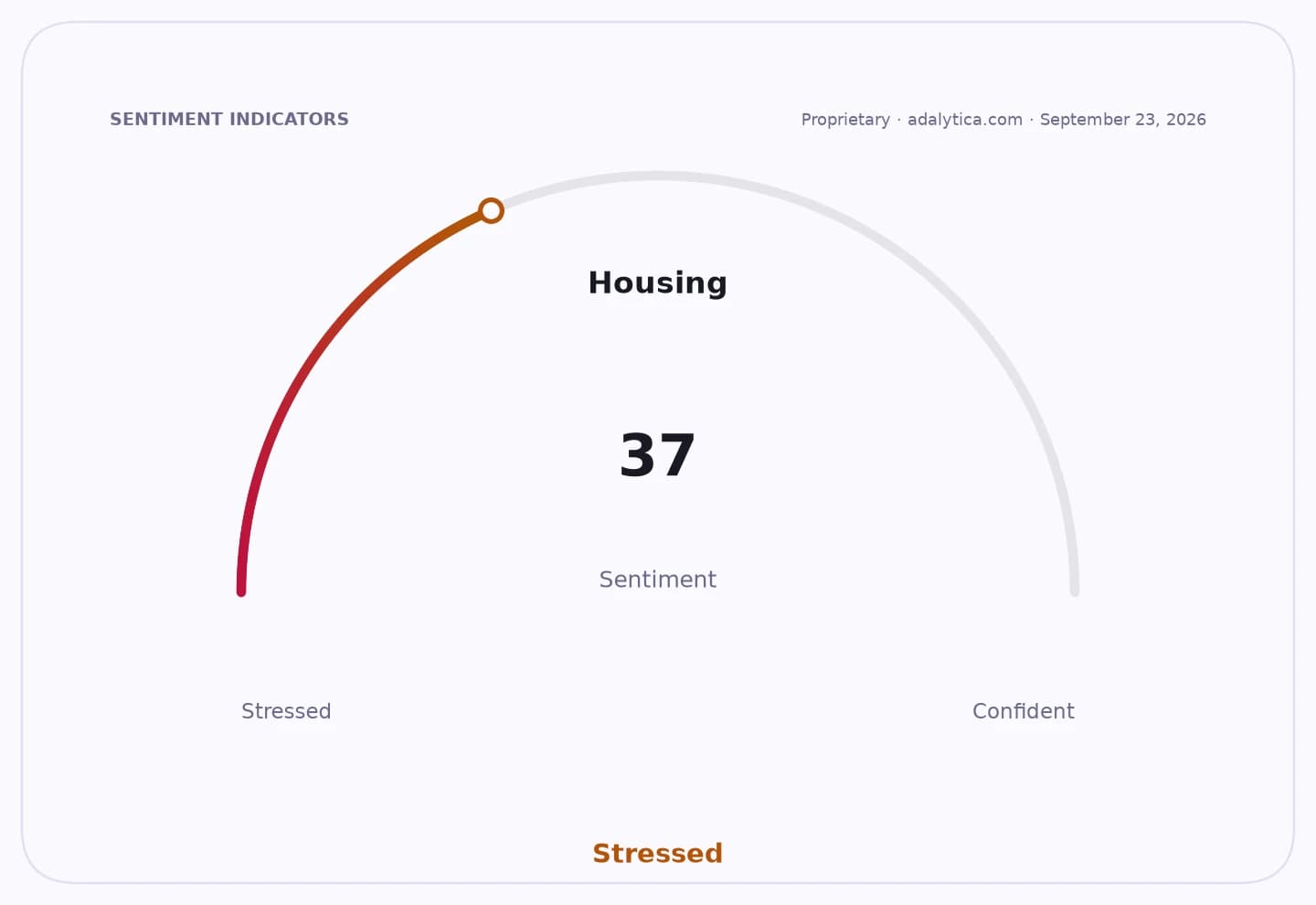
Sentiment IndicatorsⓘProprietary · adalytica.com · September 1, 2026
This is a snapshot — live sentiment, awareness and momentum for 130+ markets update continuously in the dashboard.Open AlphaPulse
For apartment landlords, the message is mixed. Invitation Homes and American Homes 4 Rent both show share prices well above their spring lows, but the operating backdrop is still soft enough to limit pricing power. Invitation Homes said renewal lease net effective rent growth averaged 3.2% in the second quarter, while new lease rents rose just 1.1%. AMH reported renewal growth of 3.4% over the first half, but new lease net effective rent growth was minus 1.2%, a sign that fresh tenants are still winning concessions in parts of the market. That split matters because renewals support cash flow, but new-lease weakness is usually where broader rent pressure shows up first.
The broader housing supply picture helps explain why. U.S. housing starts remain weak, with the latest reading at 1,239 in July after a forecast of 1,184.9 for August, far below levels that would suggest a tight nationwide rental market. Weak construction can eventually support rents, but in the near term it also reflects demand that is not strong enough to justify aggressive pricing. In many markets, landlords are preserving occupancy by keeping rents flat or offering smaller increases, which is why a stable rate backdrop is not translating into a windfall for every owner.
Investors are split between two stories. The bull case is that a steady 10-year yield near 4.7% gives well-capitalized landlords, especially single-family rental owners, a more predictable funding environment and room for gradual earnings growth if wage gains and household formation hold up. The bear case is that rates are not falling fast enough to unlock a meaningful affordability rebound, so tenant budgets stay tight and rent growth remains uneven. That is consistent with Adalytica’s housing and rent inflation sentiment gauge, which has improved but still reflects a fragile market rather than a strong one.
For the sector, the next catalyst is not simply lower rates but a clearer break in the bond market or a stronger demand shock. Until then, the gap between renewing tenants and new tenants suggests many landlords will keep competing on price, and the few who benefit most will be those with the lowest financing costs and the best balance sheets.
| Entity | Gains | Losses |
|---|---|---|
| Well-capitalized housing REITs | ▲Stable financing access | ▼Limited rent upside |
| Tenants | ▲More leverage on renewals | ▼Higher housing costs still linger |
| New-home landlords | ▲Occupancy support | ▼Need to discount new leases |
| Treasury market / bondholders | ▲Yield stays attractive | ▼No major repricing rally |