Peter Magyar has opened Hungary’s communist-era secret service archive to the public, ending decades of political obstruction and turning a long-suppressed chapter of the country’s history into a live political test for Viktor Orbán’s legacy.
Hungary Archive Opening Puts Orbán Under Scrutiny
The disclosure matters far beyond historical housekeeping. By making the names and records of nearly 60,000 former state security agents searchable online, Magyar is not only widening access to a sensitive part of Hungary’s post-communist memory; he is also using the archive as a weapon in his bid to reset the political order after Orbán’s long rule. In a country where the state-security past has remained a source of suspicion, the move could reshape public trust, revive old accusations and force new reckonings inside Hungary’s elite.
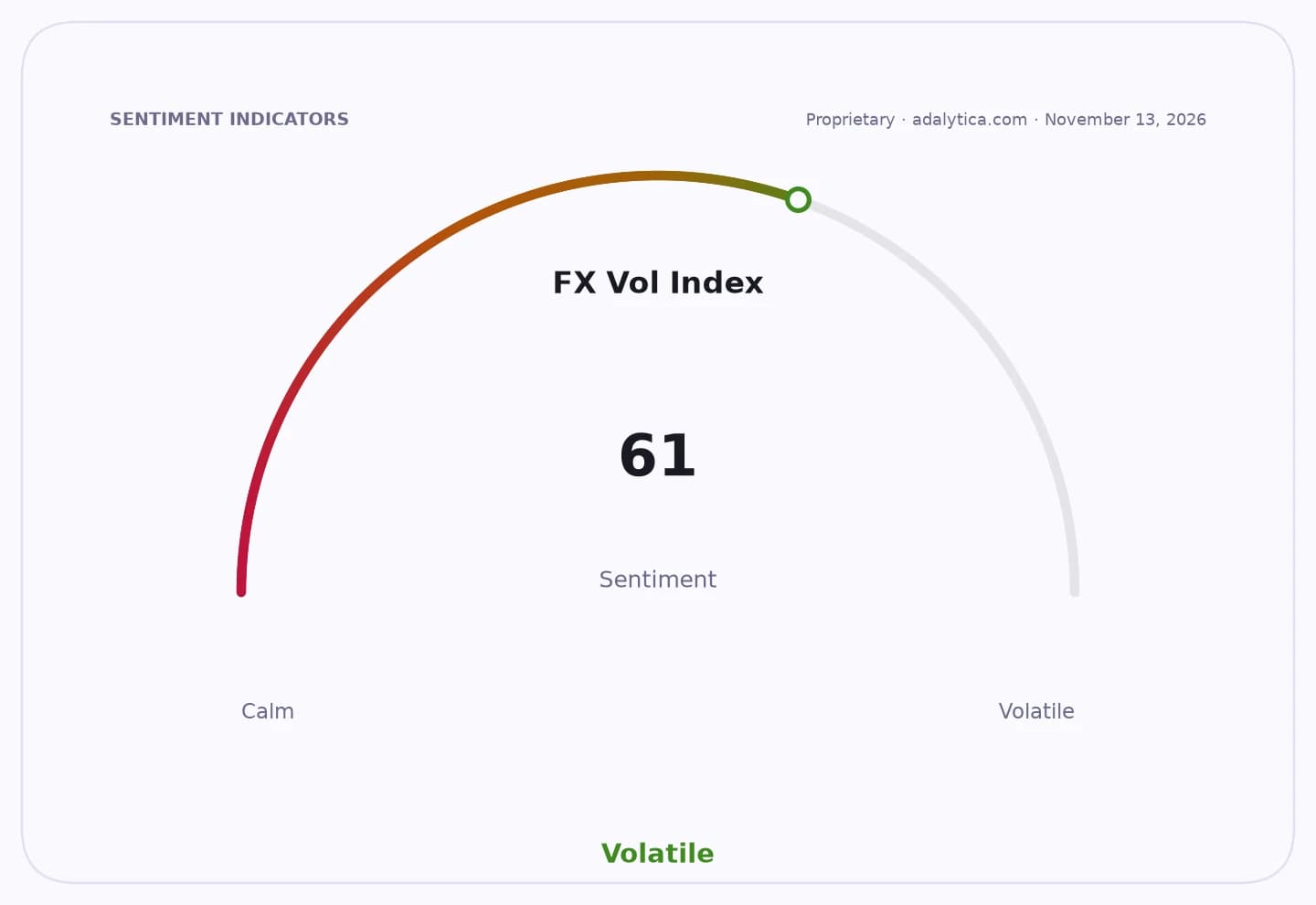
Sentiment Indicators
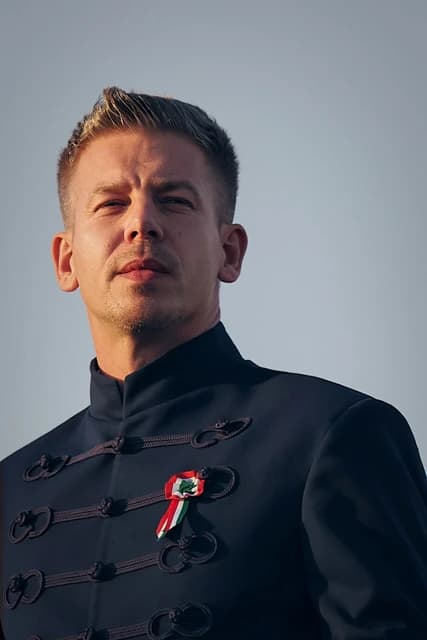
Magyar framed the release as part of a broader “system change,” presenting it as both a completion of the 1989 transition and a break with what he describes as Orbán’s closed political model. The timing is deliberate. The announcement came on the anniversary of the Soviet assault on Budapest in 1956, linking the archive opening to Hungary’s anti-communist identity and to a narrative of national liberation that Magyar hopes to own.
The archive is not complete, and even the records now accessible will not settle every allegation. Historians say more than 150,000 people may have served as active informers or networkers for the communist security apparatus, but many files were destroyed before and during the 1989 transition. Magyar himself stressed that a name in the archive does not automatically prove someone acted as a paid informant or wrote reports, a caution aimed at limiting the political and legal fallout.
Even so, the disclosure carries obvious political risk. Orbán’s Fidesz had promised transparency on the archives before taking power in 2010, but then blocked opposition attempts to force them open. Magyar has repeatedly hinted that Orbán may have something to hide, while Orbán has countered by releasing documents meant to show that a security-service recruitment attempt on him failed. The clash gives the archive immediate electoral value: it invites scrutiny of both the current premier’s anti-communist credentials and the broader network of former communist-era connections that still shadow Hungarian politics.
For investors, the immediate market impact is likely to be secondary to the policy and governance implications. But the story matters because it speaks to institutional credibility, elite stability and the tone of Hungary’s political transition under Magyar. A cleaner break with the past could strengthen confidence in governance and reform, while a wave of accusations or retaliatory disclosures could deepen polarization and distract from economic priorities.
The broader narrative is that Magyar is trying to redefine Hungary’s post-communist settlement by making secrecy, not just corruption or stagnation, a campaign issue. If the archive release sticks, it could accelerate pressure for further transparency measures. If it turns into a selective purge, it could deepen the very mistrust it is meant to heal.
| Entity | Gains | Losses |
|---|---|---|
| Peter Magyar | ▲reformist credibility | ▼if disclosures backfire |
| Viktor Orbán / Fidesz | ▲little if names prove limited | ▼scrutiny of past ties |
| Historians / public | ▲access to records | ▼incomplete, fragmented files |
| Families and former officials | ▲long-delayed answers | ▼renewed political exposure |