Poland’s anti-graft probe into EU-funded tram infrastructure widened into a political embarrassment on Thursday after a court ordered lawmaker Wojciech Król held for 88 days and police arrested him in the courtroom, underscoring how a corruption case inside the ruling camp can quickly turn into a governance issue.
Poland anti-graft probe widens into tram spending case
The immediate economic significance is less about the individual lawmaker than about the credibility of public procurement and transport spending in a country that relies heavily on EU-backed infrastructure investment. Prosecutors from the European Public Prosecutor’s Office say Król faces four charges tied to alleged corruption and fraud in the modernization of tram infrastructure in the Upper Silesia metropolitan area, a sector where municipal contracts and European funds are central to project delivery. If proved, the allegations could heighten scrutiny of how regional authorities and contractors are awarded work, potentially slowing approvals and raising compliance costs for public projects.
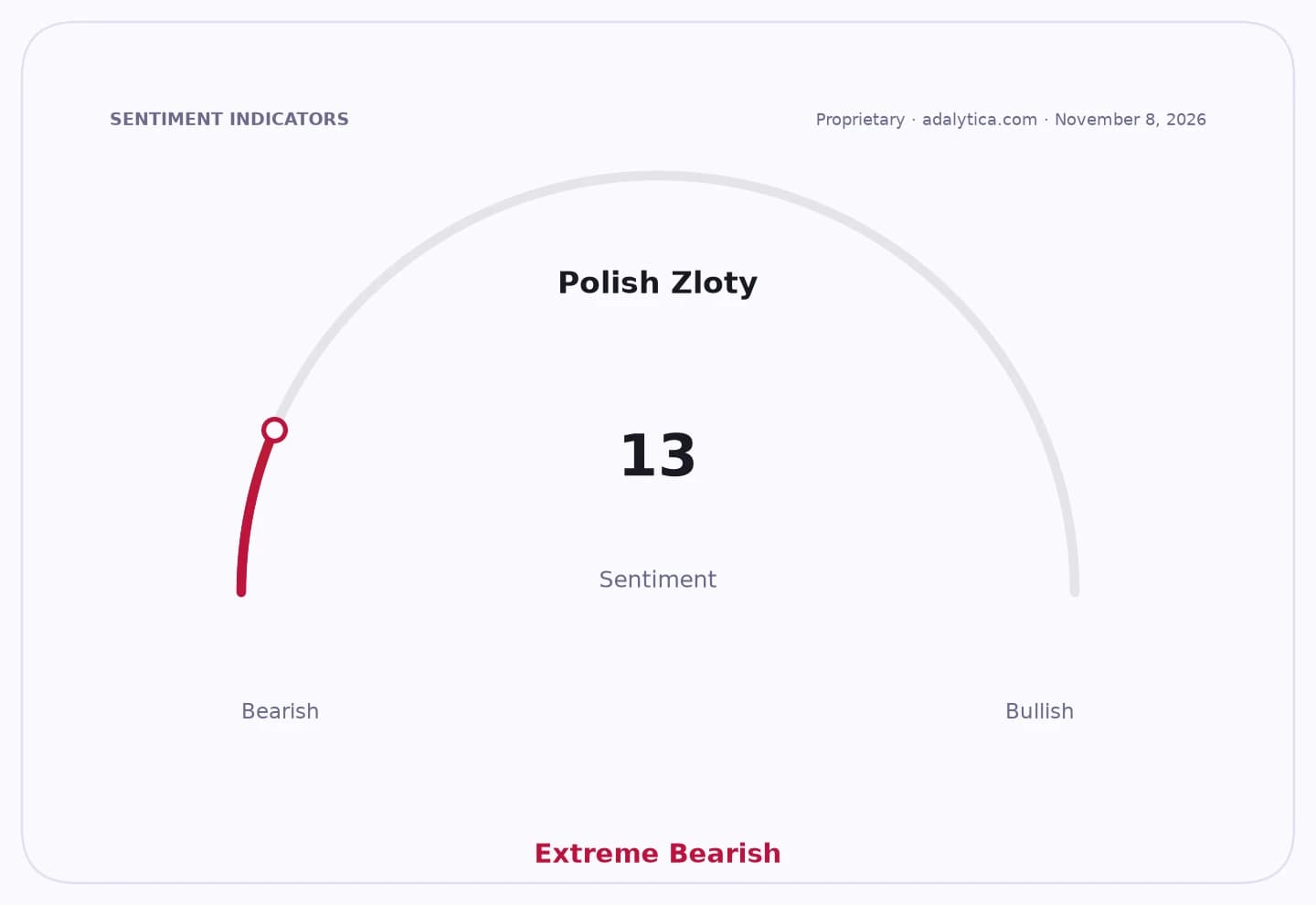
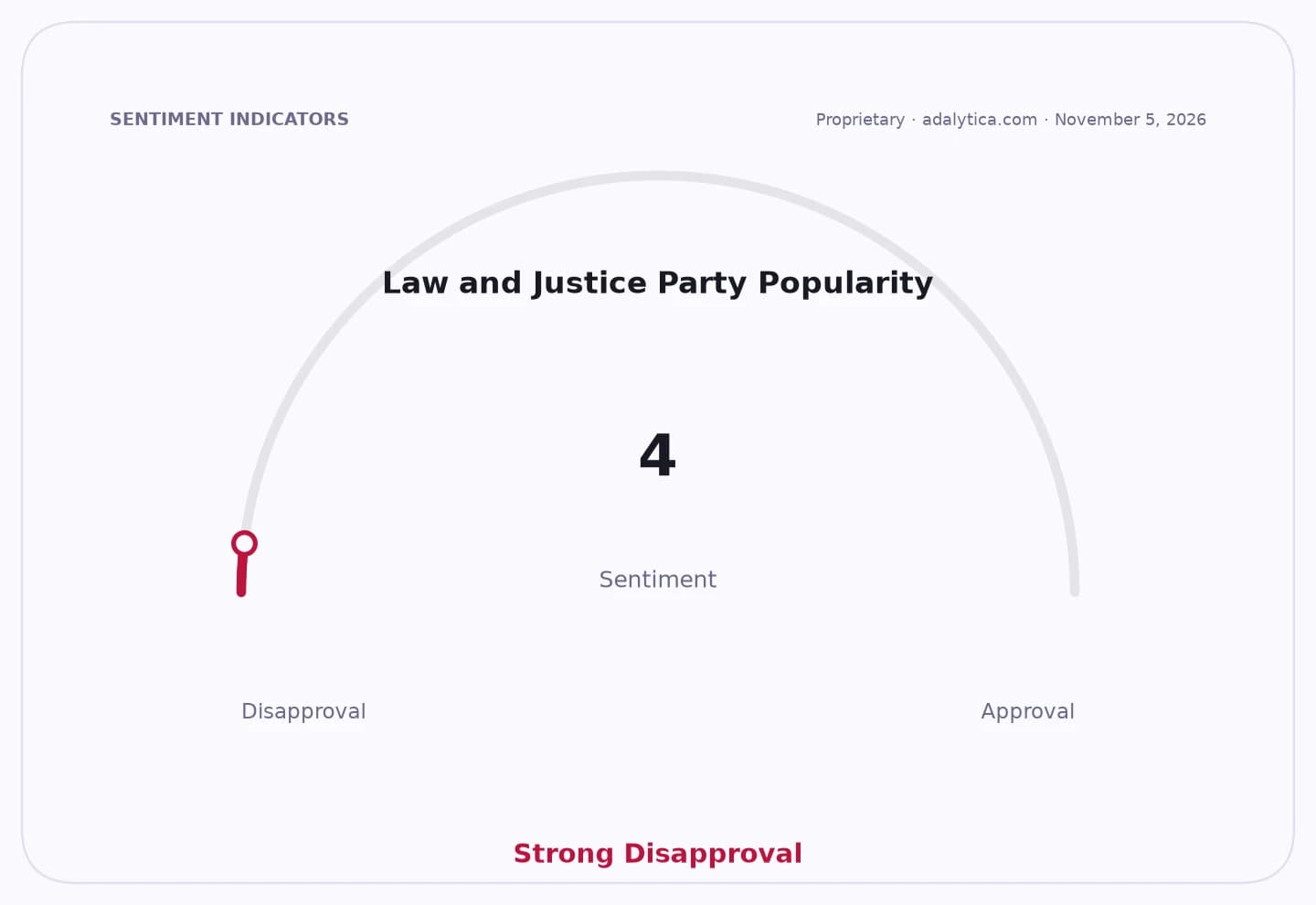
Sentiment Indicators
The case also matters politically because it reaches into the governing Civic Coalition and adds pressure at a time when Poland’s institutional tensions are already elevated. Król, who denies wrongdoing, had his immunity lifted by parliament in September and was suspended from the parliamentary club after the earlier arrest move. The court’s decision to reverse a lower court ruling that had rejected pre-trial detention suggests prosecutors convinced judges that the alleged offences warranted the strongest preventive measure, a signal that the investigation is advancing rather than fading.
For investors, the story is another reminder that rule-of-law and corruption risks remain material in Central Europe, especially where public infrastructure spending intersects with politics. That matters for contractors, municipal transport operators and any company bidding on state-linked work, as investigations can delay awards, increase bid conservatism and encourage tighter due diligence from lenders and equity holders. It also adds to a broader risk premium around Polish governance at a time when the country is already navigating constitutional strain and market attention to institutional stability.
EPOL, the Poland-focused ETF, has held above its 200-day moving average in recent sessions, but its momentum indicators have softened, with the RSI in mid-range and the MACD below its signal line, suggesting investors are not pricing in a sustained political shock yet. That leaves room for a differentiated reaction: a single lawmaker’s arrest is unlikely to move the macro picture on its own, but a widening corruption inquiry could become relevant if it starts to touch broader procurement credibility or coalition stability.
The key investor question is whether the case remains an isolated criminal proceeding or becomes part of a wider clean-up in public contracting. If it is the former, the market impact may be limited to headlines and reputational damage. If it is the latter, the consequences could extend into project timelines, contractor margins and the valuation discount investors assign to politically exposed sectors in Poland.
| Entity | Gains | Losses |
|---|---|---|
| Prosecutors | ▲stronger leverage | ▼none |
| Civic Coalition | ▲anti-graft credentials if case holds | ▼political reputation |
| Infrastructure contractors | ▲clearer compliance rules | ▼higher scrutiny, delays |
| EPOL / Poland risk assets | ▲limited if case stays contained | ▼if scandal widens or bites procurement |