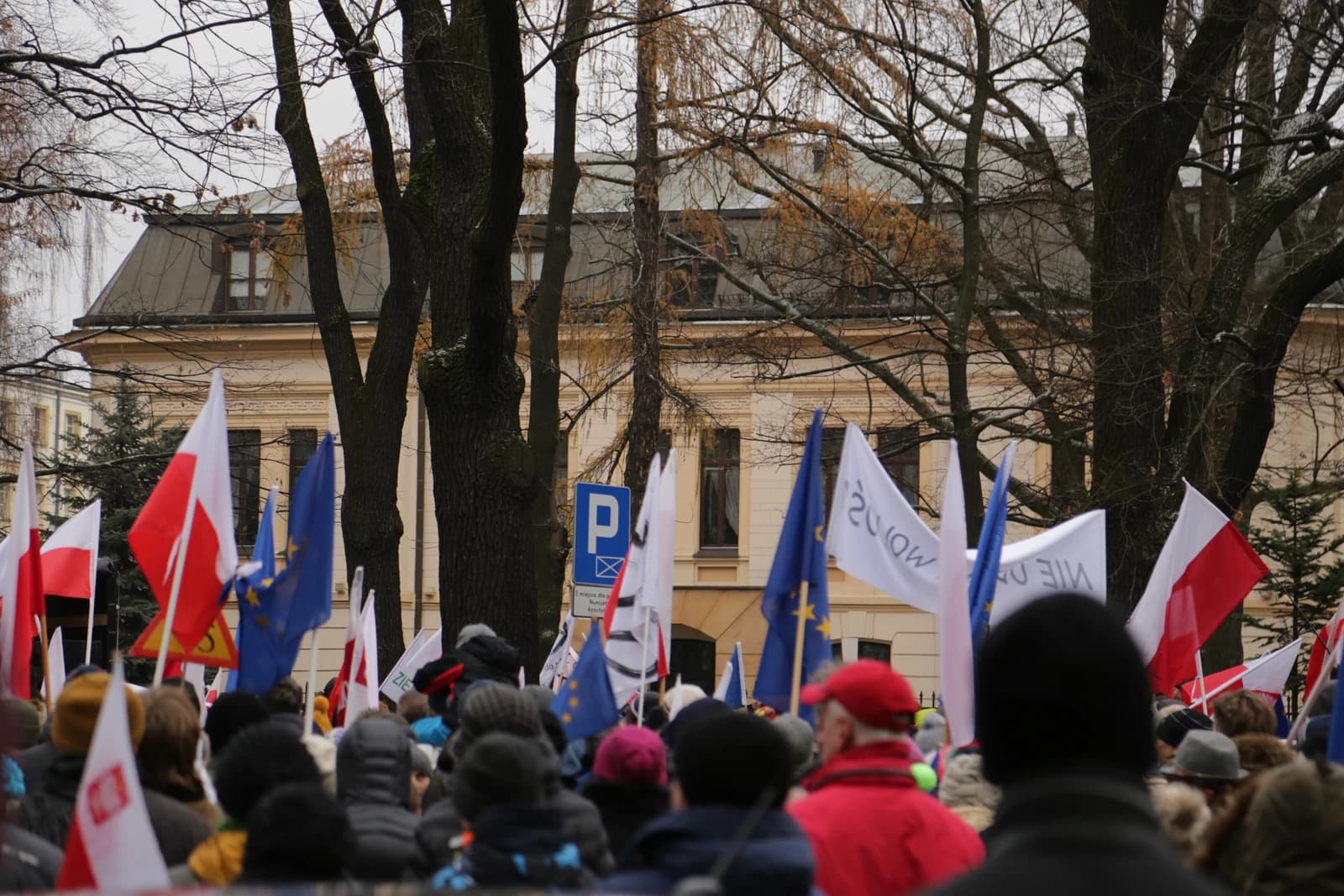
Poland’s access to tens of billions of euros in EU money is back under scrutiny, and the political risk now is not just whether Brussels has already paid out the funds, but whether it may have to reopen the file.
Poland EU Funds Face Rule-of-Law Review
Polish Zloty
That matters because the European Commission’s decision in February 2024 to restore Poland’s eligibility for cohesion money rested on an assessment that the country had met the bloc’s horizontal rule-of-law conditions. Daniel Freund, a Green lawmaker long associated with the EU’s toughest budget watchdogs, is now challenging that judgment and asking whether the Commission should re-check Poland’s compliance amid the latest crisis around the Constitutional Court.
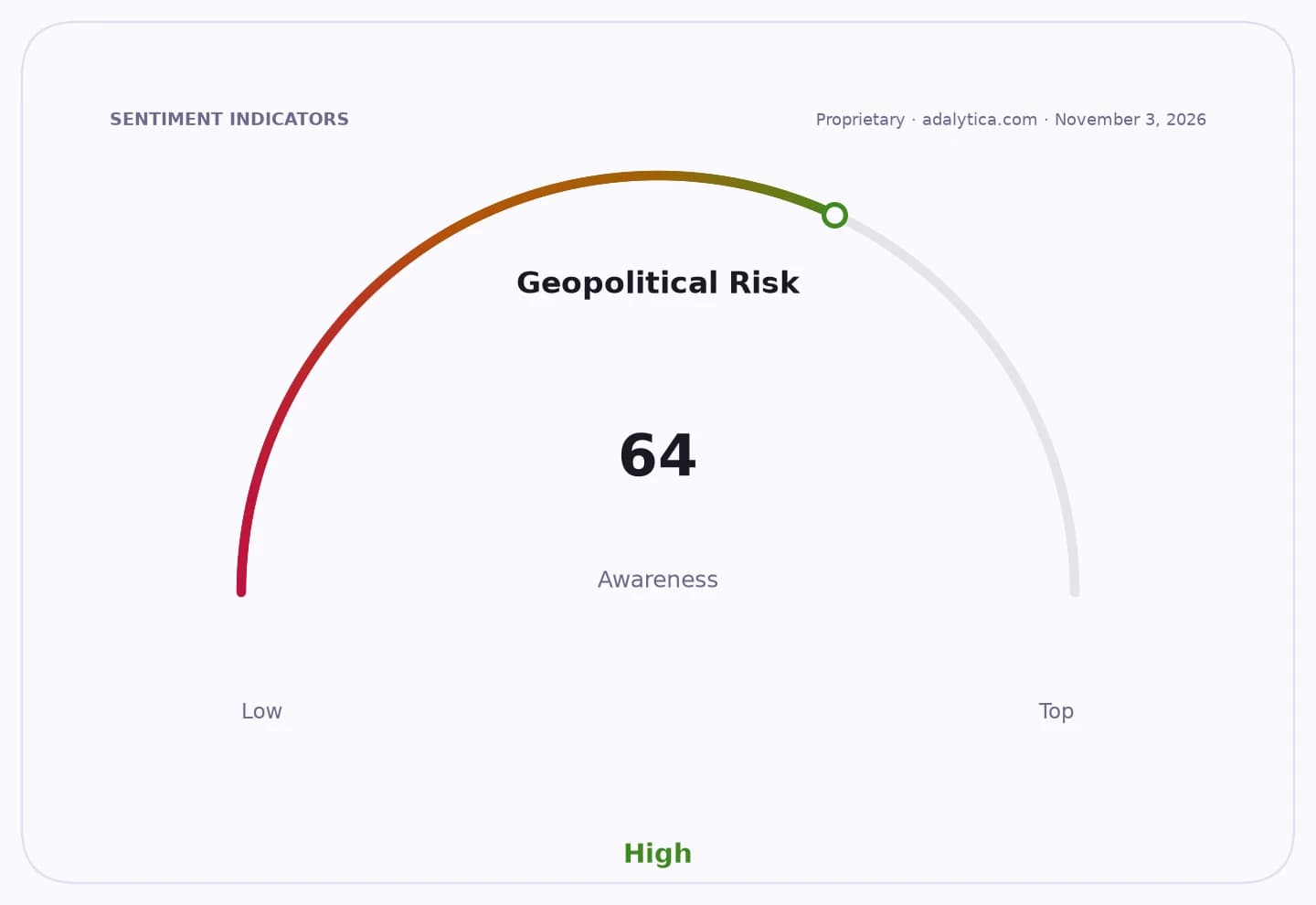
Sentiment Indicators
The dispute goes to the heart of how the EU enforces conditionality. In 2022, Brussels froze reimbursement for 76 billion euros of cohesion funds earmarked for Poland in the 2021-2027 budget cycle because it concluded Warsaw had not satisfied the Charter of Fundamental Rights requirement, especially around judicial independence, effective appeal rights and non-discrimination. Separately, 60 billion euros in recovery money had also been held back over specific rule-of-law milestones. Brussels later said Poland’s new government and its restoration plan were enough to unlock the cohesion funds again.
Freund’s challenge is that the Commission may have treated a political commitment as a durable fix. He argues the underlying problems in Poland’s justice system were never fully resolved, and says the current standoff around the Constitutional Court shows the issue was not closed by the change of government. He also pressed for clarity on how Brussels counts compliance when, in his view, thousands of judges were appointed unlawfully and the dysfunction runs across the courts, not just one institution.
Polish Zloty — 30-day sentimentadalytica.com
Explore this data interactively — full history, time series and cross-market comparisons.
For investors, this is bigger than a legal argument in Brussels. EU money is one of the most important supports for Poland’s growth, infrastructure spending and public investment pipeline. Any suggestion that the flow could slow, or be reassessed, would raise questions for the zloty, domestic contractors, banks exposed to public-sector lending and the broader Central European risk premium. The zloty snapshot in Adalytica’s trade signals already shows deep caution, with sentiment in “Extreme Fear,” underscoring how quickly rule-of-law headlines can spill into markets.
The Commission is insisting the issue is monitored continuously, and a formal clawback remains far from certain. But Freund has forced a more uncomfortable question onto the agenda: if the legal basis for disbursing EU funds is supposed to hold for the entire programming period, did Brussels unlock Poland too early?
That is the real investment takeaway. Poland remains a constructive medium-term story on EU integration and capital inflows, but the market is underestimating how quickly governance risk can resurface as a funding risk. Until Brussels gives a clearer, more transparent answer on the criteria it used — and whether those criteria are still being met — this will remain a live overhang on Polish assets and on any sector that depends on steady EU disbursements.
| Entity | Gains | Losses |
|---|---|---|
| Polish government | ▲Keeps access to EU funds | ▼Faces renewed scrutiny |
| European Commission | ▲Shows active monitoring | ▼Risks credibility gap |
| Polish contractors and infrastructure firms | ▲Benefit from EU spending | ▼Face funding uncertainty |
| Polish zloty / local assets | ▲Could gain from clarity | ▼Suffer from rule-of-law risk |