Hungary’s push toward the euro is turning on whether the new government is prepared to deliver a harsh 2027 budget that cuts deficits fast enough to keep markets onside.
Hungary Budget Test on Euro Adoption Path
The weekend cabinet meeting has become the first real test of whether Budapest intends to convert campaign talk into fiscal policy. Investors have already given the new administration the benefit of the doubt: the forint has strengthened from around 390 per euro to as firm as 350 before easing back into the 360-370 range, while government bond yields have fallen by about 200 basis points since the start of the year. Hungary can now borrow for 10 years at roughly 5.7%, down from about 7% earlier in the year, a shift that will save the state hundreds of billions of forints as debt rolls over.
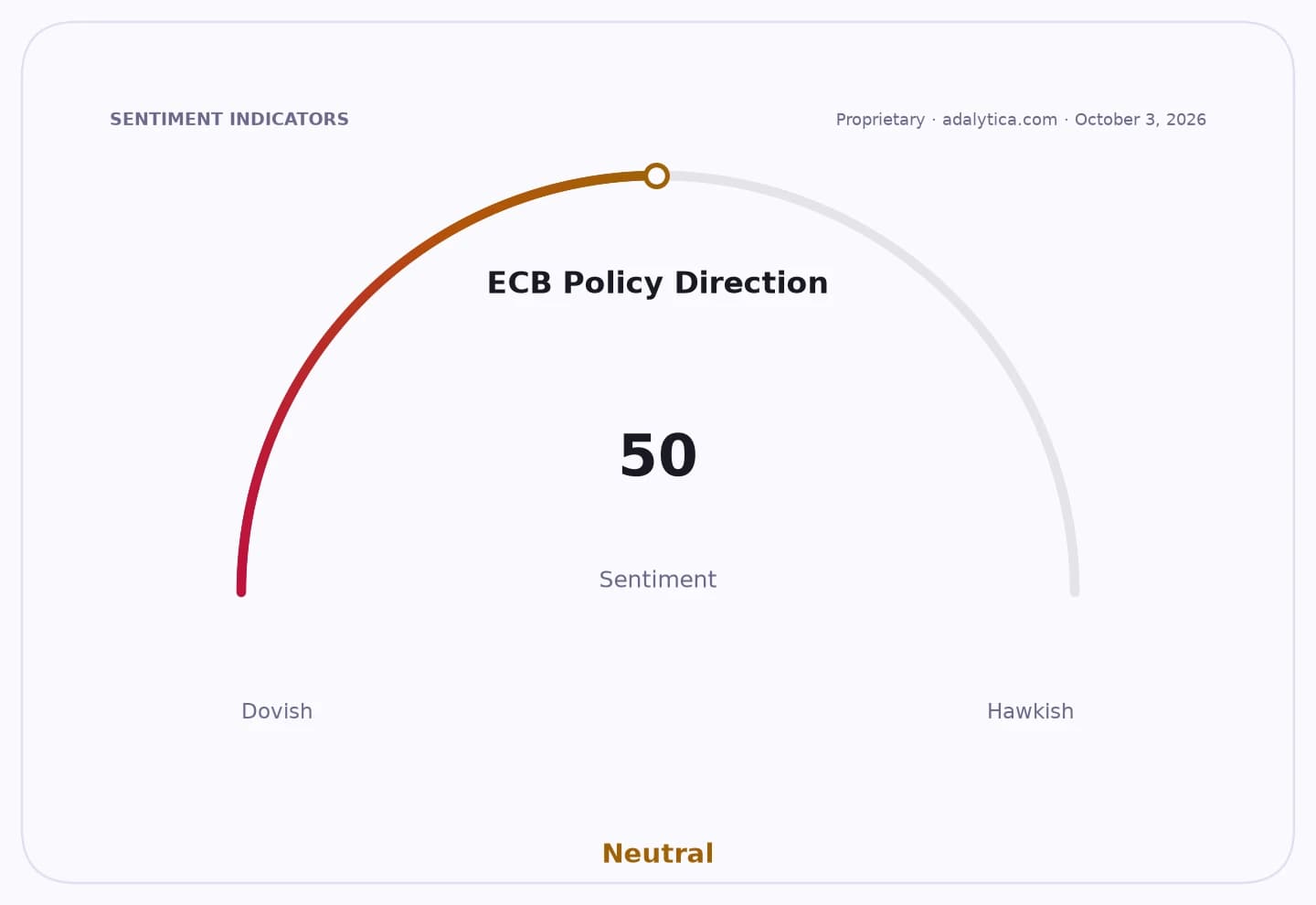
Sentiment IndicatorsⓘProprietary · adalytica.com · October 3, 2026
This is a snapshot — live sentiment, awareness and momentum for 130+ markets update continuously in the dashboard.Open AlphaPulse
That rally has been built on expectation, not proof. So far, the government has not announced measures that would make euro adoption by 2030 plausible. To meet the currency’s entry tests, Hungary needs inflation, debt and market interest rates brought closer to euro-area levels, which implies a sustained fiscal tightening. The 2027 budget, and the spending cuts or tax restraint it contains, will determine whether the country is merely talking about the euro or actually starting the transition.
The numbers underline the scale of the adjustment. Hungary’s general government deficit this year is running at about 7.5% of GDP, or more than 7,100 billion forints. Market participants, according to the state debt office chief, would be disappointed by a 2026 deficit above 5.5% of GDP and would likely only view a roughly 5% gap as neutral. That means next year’s deficit would need to narrow by about 2 to 2.5 percentage points, implying a consolidation effort of roughly 2,000 billion forints.
That is where the politics get difficult. The Tisza party, which won a two-thirds majority in April, has promised to keep many of the previous government’s popular tax breaks and energy subsidies while adding expensive pledges of its own, including 500 billion forints a year in extra healthcare spending, higher education outlays, larger pensions, lower income tax for below-median earners and a more favourable kata tax regime. Together, those commitments point to several thousand billion forints of annual fiscal cost or lost revenue.
The tension between euro ambitions and pre-election spending is the core market question. On one side is the argument for discipline: Hungary is a small, open economy that remains vulnerable to imported inflation, higher oil prices, and a world of elevated bond yields. The European Central Bank is still under pressure from firmer euro-area inflation, which rose to 3.8% in September from 3.2%, increasing the cost of loose policy across the region. On the other side is the temptation to preserve popular transfers, especially when the social and political cost of austerity is immediate.
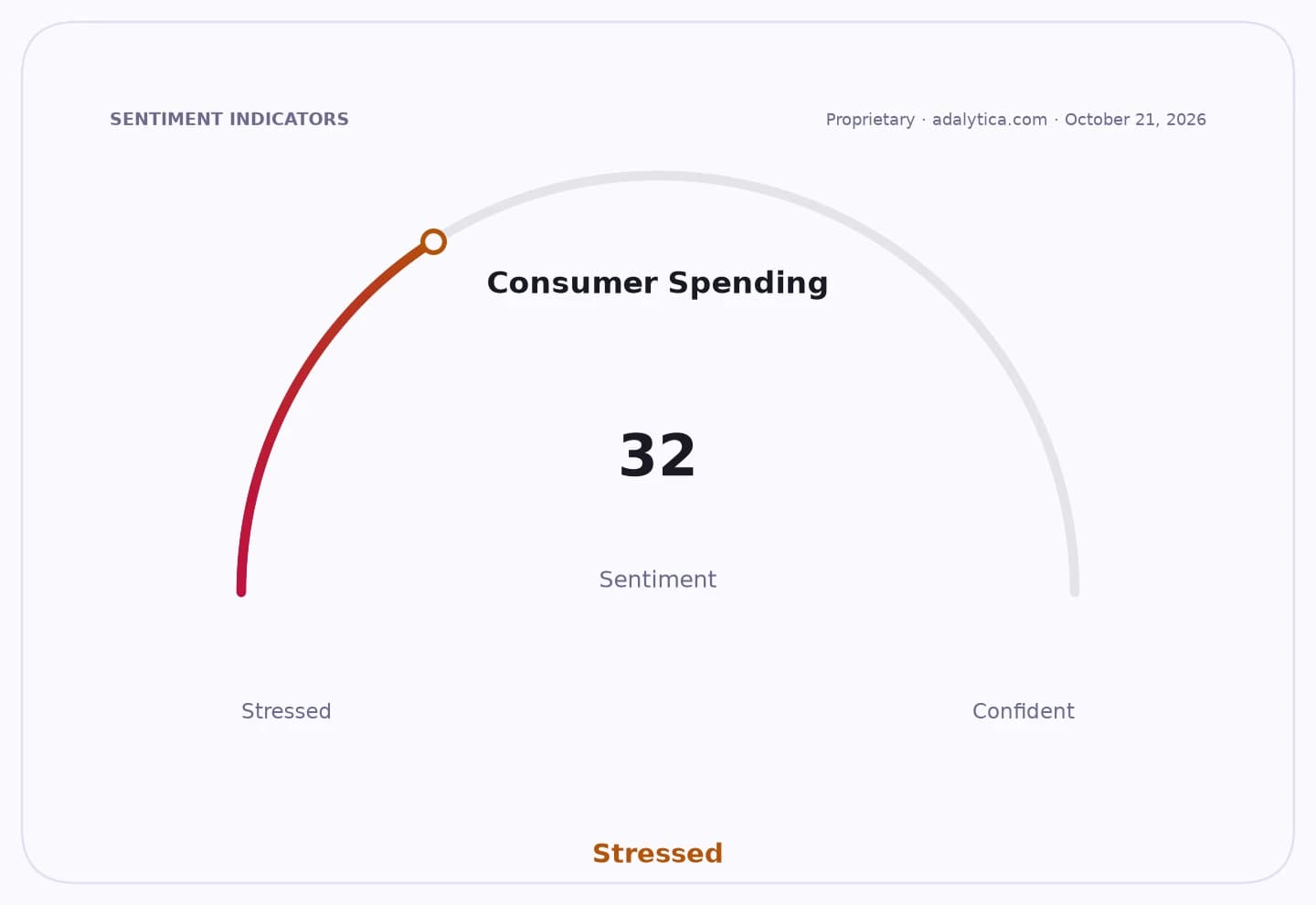
Adalytica’s Euro Trade Signals snapshot shows the euro in “Extreme Fear” on sentiment even as awareness is elevated, while technical indicators on the forint point to a stretched move: the currency has risen above its 50-day and 200-day moving averages, with RSI readings elevated. That suggests the market has already priced in some reform and now needs confirmation from the budget rather than rhetoric.
The state debt office is clearly trying to prepare investors for that outcome. Its chief said this week that the 2027 financing requirement should be much smaller than this year’s, and he told Reuters he hoped a fresh bond rally would follow any announcement of the budget path and euro timetable. But he also acknowledged that even a deficit around 5% of GDP would only be barely acceptable to markets after this year’s blowout.
For investors, the stakes are straightforward. If the government uses the budget to anchor credibility, the forint could extend its gains and funding costs could fall further, supporting domestic assets and easing pressure on public finances. If it fails, Hungary risks another period of currency weakness, higher yields and a renewed widening of the gap with euro-area peers. This weekend is therefore less about symbolism than about whether Hungary begins the hard fiscal work that makes euro adoption possible at all.
| Entity | Gains | Losses |
|---|---|---|
| Hungarian government | ▲Cheaper funding, stronger credibility | ▼Political room for spending |
| Forint and Hungarian bonds | ▲Lower yields, currency support | ▼If deficit cuts disappoint |
| Tisza Party | ▲Investor goodwill, reform narrative | ▼Popular promises, election spending |
| Euro adoption path | ▲Starts if austerity is real | ▼Delays if budget stays loose |