Hungary is slashing electricity network fees for businesses by 55%, a move that should ease a major cost burden for manufacturers and other power-intensive users while leaving household bills unchanged under the government’s utility price cap.
Hungary cuts business electricity network fees 55%
That matters because electricity is not just a utility line item in Hungary — it is a competitiveness issue. By forcing down system-use charges, Budapest is effectively trimming one of the most painful parts of corporate energy costs without reopening the politically explosive debate over household energy subsidies. The result is a cleaner split: businesses get relief, families keep protection, and the state preserves a key pillar of its domestic economic model.
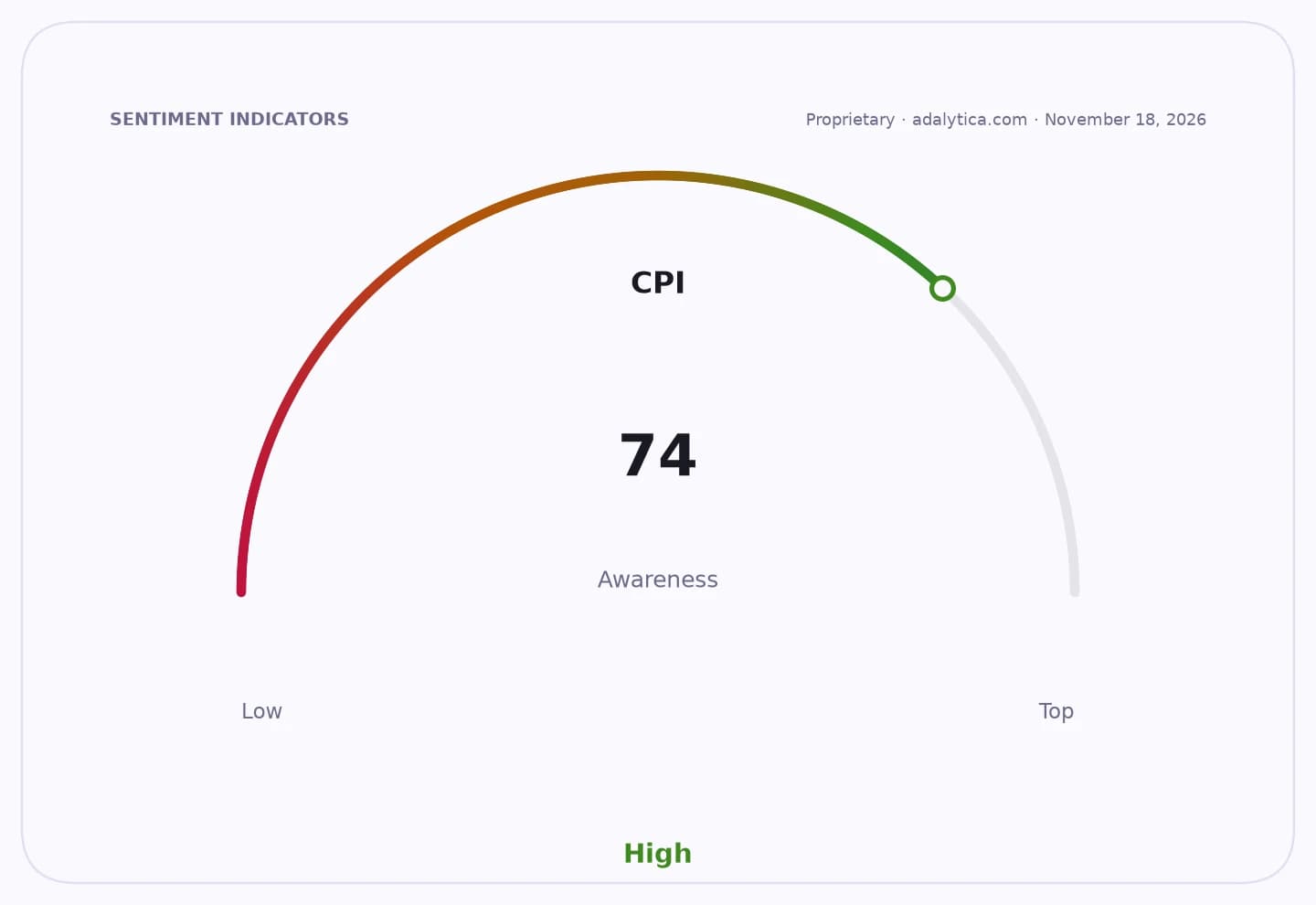
Sentiment Indicators
The decision came after the independent Hungarian Energy and Public Utility Regulatory Authority, or MEKH, reviewed network fees and approved a new tariff structure. According to state secretary István Kapitány, the previous system loaded too much of the grid cost onto companies, leaving Hungarian firms with electricity prices high even by European standards. The government now says the reform creates a more transparent and fairer fee system that supports competitiveness.
For investors, the immediate implication is a better margin backdrop for Hungarian corporates exposed to power costs, especially in heavy industry, logistics and mid-sized manufacturing. Lower network charges can feed through to operating profit faster than broader macro reforms, and they may also ease pressure on price-sensitive exporters trying to compete with cheaper peers elsewhere in central Europe. The household side is just as important politically: by keeping the 36 forint-per-kilowatt-hour subsidized tariff in place, the government reduces the risk of a consumer demand shock.
The bigger story is the same one playing out across Europe: power pricing is becoming a policy tool as much as a market outcome. Governments are trying to make energy cheaper where it hits competitiveness hardest, while avoiding an inflationary backlash among voters. That creates a clear investment framework. Utilities and grid operators face tighter regulatory scrutiny, but industrials, select energy users and efficiency-focused companies stand to benefit if Europe keeps pushing cost relief through the system.
The market is still underestimating how much of Europe’s next growth cycle will be shaped by energy affordability rather than energy scarcity. Hungary’s move shows that the winners will be the companies that can lower input costs, protect margins and ride a more predictable regulatory environment. For investors, that argues for staying overweight the beneficiaries of cheaper power — not just the utilities, but the industrials and infrastructure names that gain when electricity stops acting like a tax.
| Entity | Gains | Losses |
|---|---|---|
| Hungarian businesses | ▲Lower operating costs | ▼Less pressure on margins |
| Hungarian households | ▲Bills stay capped | ▼No additional relief |
| MEKH / government | ▲More balanced tariff system | ▼Greater regulatory responsibility |
| Power-intensive competitors in Europe | ▲Little direct gain | ▼Hungarian rivals become more cost-competitive |