Germany’s move to cut electricity taxes and cap gas prices is designed to cushion households and businesses from Europe’s energy shock, but it also underlines how stubbornly expensive power and fuel remain for the region’s economy. For investors, that matters because high energy costs are still squeezing consumers, complicating the inflation fight and reshaping which sectors can keep growing.
Germany cuts electricity taxes and caps gas prices

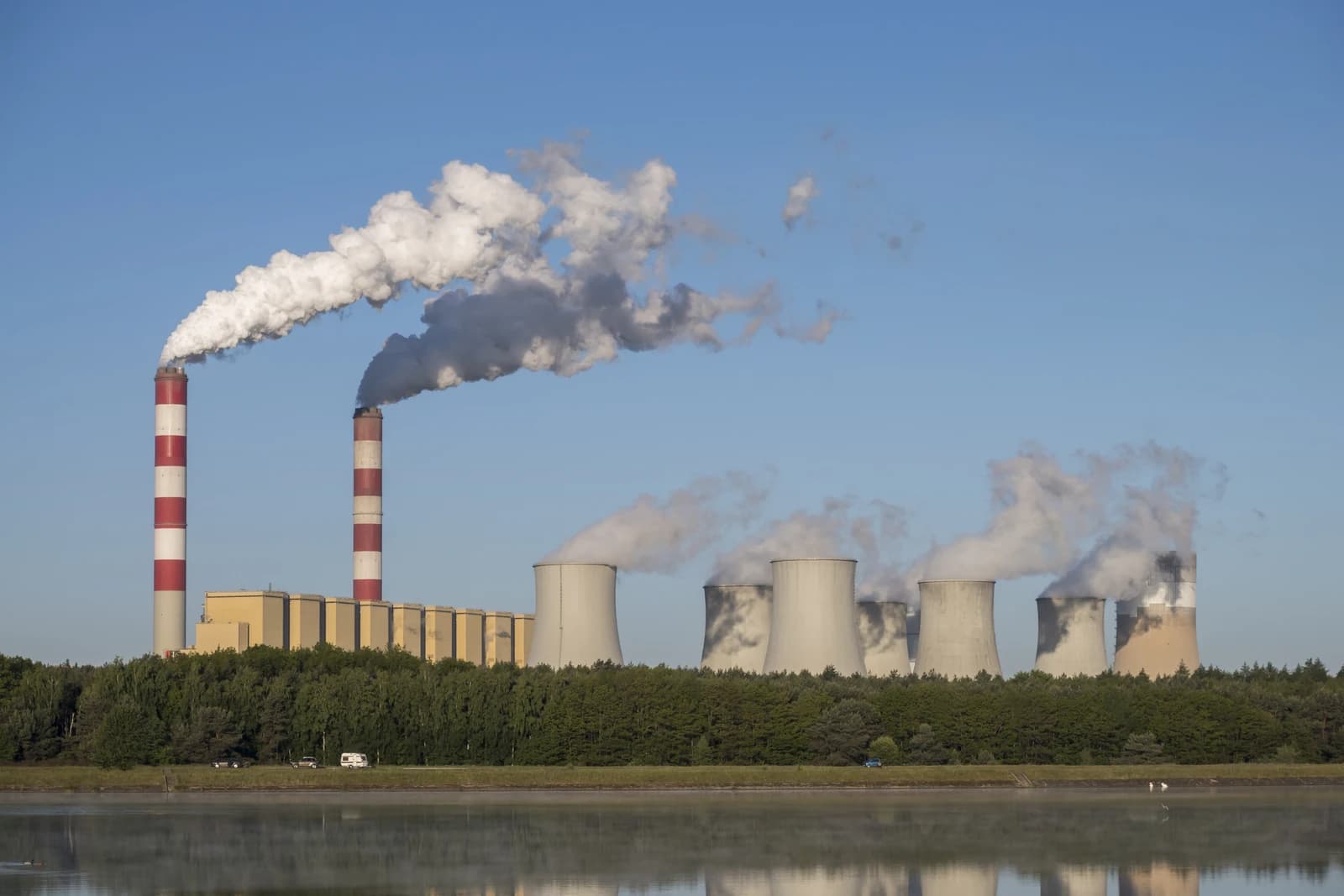
The policy comes against a backdrop of elevated prices that have not fully retreated even after the worst of the gas crisis. German electricity companies have been accused by the Ifo Institute of exploiting their market power during that period, a reminder that Europe’s energy market is still scarred by supply disruptions and pricing distortions. When governments step in with tax relief and caps, they are not just offering short-term relief — they are trying to prevent a second-round hit to demand, industrial output and household spending.
Sentiment Indicators
The macro stakes are clear. Energy is one of the most powerful drivers of inflation, and sustained high power and fuel costs ripple through transport, manufacturing and retail. Reuters reports from across Europe show how uneven the pressure remains: some regions are seeing relief in diesel and gasoline, while others are preparing to raise utility charges next year. That kind of divergence makes the region’s inflation path harder to predict and leaves central banks less comfortable declaring victory.
For equity investors, the market message is equally important. Higher energy prices tend to favor oil and gas producers and the broader energy complex, while they weigh on utilities, industrials and consumer-facing companies that cannot easily pass costs on. The U.S. energy sector has already reflected that tension: the Energy Select Sector SPDR Fund has pulled back from recent highs, but it still trades well above its 200-day moving average, showing the sector remains in an uptrend even as oil itself has softened. That is the kind of volatility long-term investors should expect when policy and commodity prices are both pulling on the same rope.
The broader lesson is that Europe is still paying for years of underinvestment, geopolitical shocks and market strain in energy. Tax cuts and price caps can soften the blow, but they do not fix the underlying imbalance between supply and demand. Until they do, energy will remain a source of inflation pressure, political intervention and opportunity for investors willing to look past the next quarter and focus on the next several years.
| Entity | Gains | Losses |
|---|---|---|
| German households | ▲Lower utility bills | ▼Less incentive to reduce usage |
| Energy-intensive businesses | ▲Improved margins | ▼Less pricing power for rivals |
| Utilities/electricity sellers | ▲None | ▼Lower revenue per unit |
| Oil and gas producers | ▲Supportive pricing backdrop | ▼Volatility from policy caps |