The European Union economy is proving more resilient than policymakers expected, but the investment story is now shifting from growth to stubborn inflation and higher-for-longer energy costs.
EU growth forecast rises as inflation stays elevated

That matters because the European Commission’s autumn forecasts point to a region that can still expand without slipping back into recession, even as the inflation fight is far from finished. Growth across the EU is now seen at 1.4% this year, up from 1.1% in the spring, while euro-area growth is forecast at 1.2% for both this year and next. But inflation is expected to average 3.3% in the EU this year and 3.2% in 2027, leaving consumer prices well above the European Central Bank’s 2% target for longer than markets had hoped.
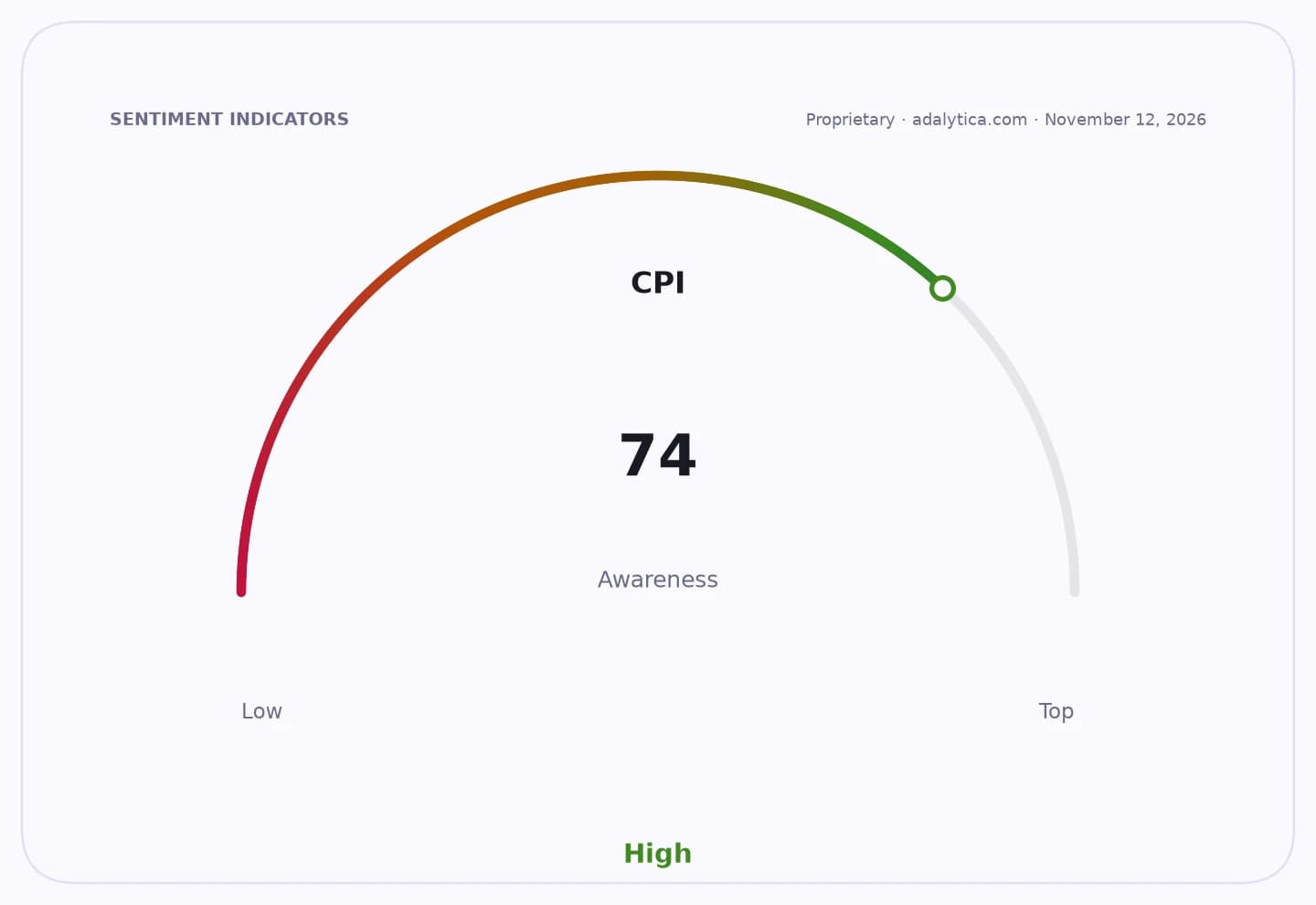
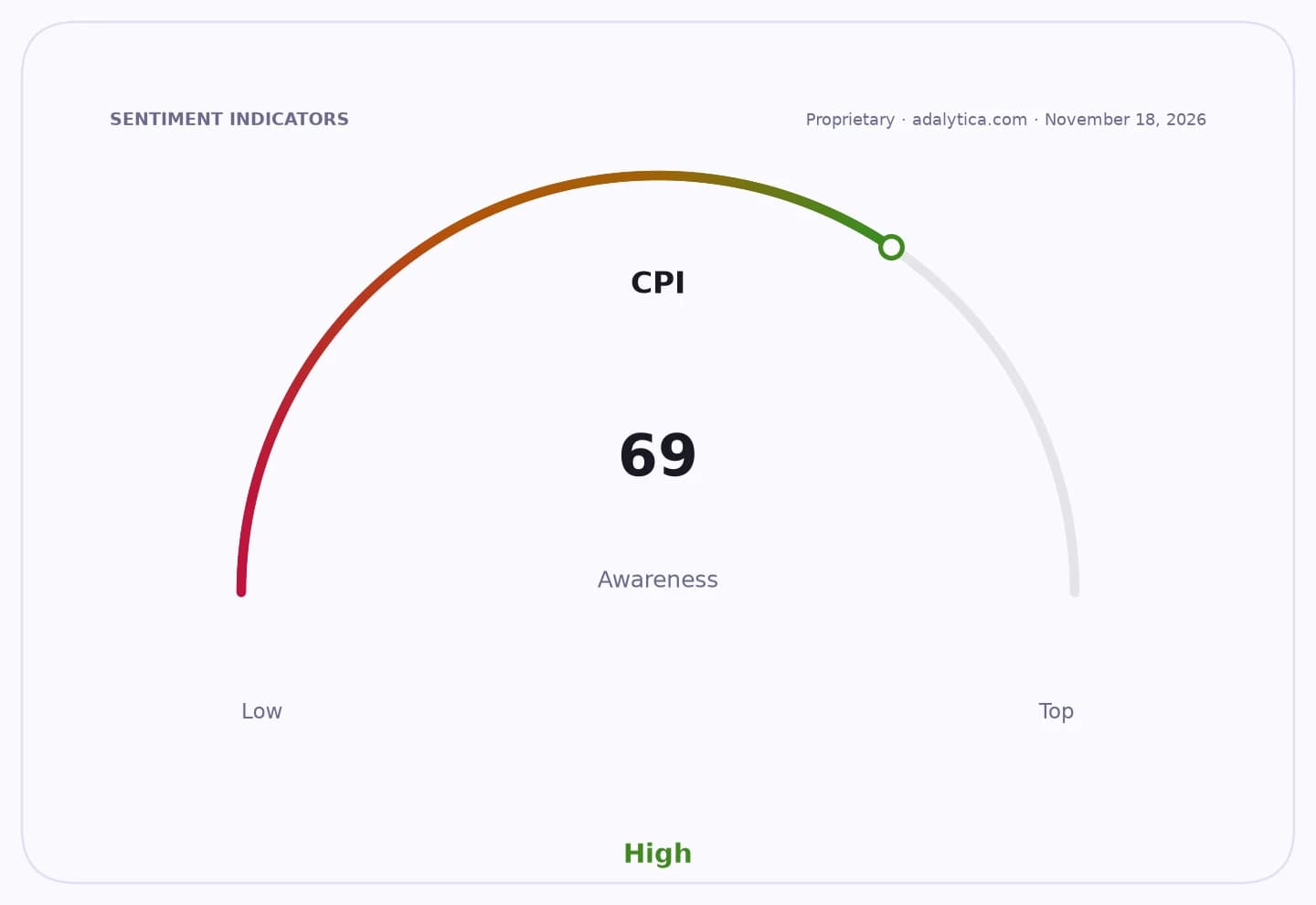
Sentiment Indicators
2% Target Confidence
The message for investors is clear: Europe is not breaking down, but it is also not getting the clean disinflation backdrop that would normally support a rapid easing cycle. Energy is doing the damage. The commission said higher wholesale prices are still filtering through to households, meaning gas and electricity bills are set to keep rising in the coming months even if petrol and diesel costs drift lower. That keeps pressure on real incomes, squeezes consumer discretionary spending and makes it harder for rate-sensitive sectors to enjoy a full valuation rebound.
The resilience in growth is being driven largely by exports, not domestic demand. European firms are selling more energy equipment, cooling systems and chipmaking gear tied to AI data centers and power grids around the world, a reminder that Europe still has exposure to the global capex boom. That is the real economic narrative here: weak domestic demand is being offset by an external industrial tailwind, especially in energy infrastructure and AI-related supply chains.
CPIAUCSL vs DCOILWTICO — macro contextadalytica.com
Explore this data interactively — full history, time series and cross-market comparisons.
2% Target Confidence
For markets, that combination is more nuanced than a simple “Europe better, inflation worse” reading. A growth upgrade supports cyclicals, industrial exporters and selected capital goods names, while persistent inflation argues against aggressive duration exposure and against assuming the ECB will be able to cut quickly or deeply. The euro’s path also remains vulnerable if energy prices stay elevated and U.S.-Europe rate differentials remain wide. The dollar has already been firming in a world of sticky inflation, and Europe is still importing a meaningful part of that macro pressure through energy.
There is also an equity rotation angle investors should not miss. The beneficiaries are increasingly the companies that sell into the energy transition, grid buildout and AI infrastructure cycle — from cooling systems to electrical equipment and semiconductor manufacturing tools. The losers are households and energy-intensive sectors, especially in lower-income economies where food and fuel take a larger share of spending. The commission’s warning that its inflation forecast may already be too high only reinforces the case that price pressures could linger longer than consensus expects.
My takeaway: Europe’s economy is more durable than the market feared, but the trade is not broad-based. The most attractive exposure is still in the picks-and-shovels behind energy security, electrification and AI infrastructure, while the macro backdrop remains hostile to rate-sensitive consumer names and long-duration assets. The market underestimates how long energy can keep European inflation elevated — and how profitable the companies solving that problem may become.
| Entity | Gains | Losses |
|---|---|---|
| European exporters | ▲Stronger overseas demand | ▼Weak domestic spending |
| Energy infrastructure firms | ▲Higher capex demand | ▼Margin pressure from input costs |
| Households | ▲Slower recession risk | ▼Higher gas and electricity bills |
| ECB / rate-sensitive stocks | ▲Softer growth risk backdrop | ▼Delayed rate cuts |