The European Commission now expects euro-zone inflation to average 3.2% this year, a fresh reminder that the region’s price pressures are proving stickier than policymakers had hoped and are likely to keep the European Central Bank wary of easing too soon.
Euro zone inflation forecast raised by European Commission

Brussels lifted its 2026 euro-area inflation forecast from 3.1% previously, and now sees prices rising 3.2% in 2027 before easing to 2.1% in 2028. For the wider European Union, inflation is projected at 3.3% this year, 3.2% in 2027 and 2.3% in 2028. The Commission said core inflation — which strips out food and energy — is also set to remain elevated, peaking at about 3% in the first quarter of 2027 before gradually fading.
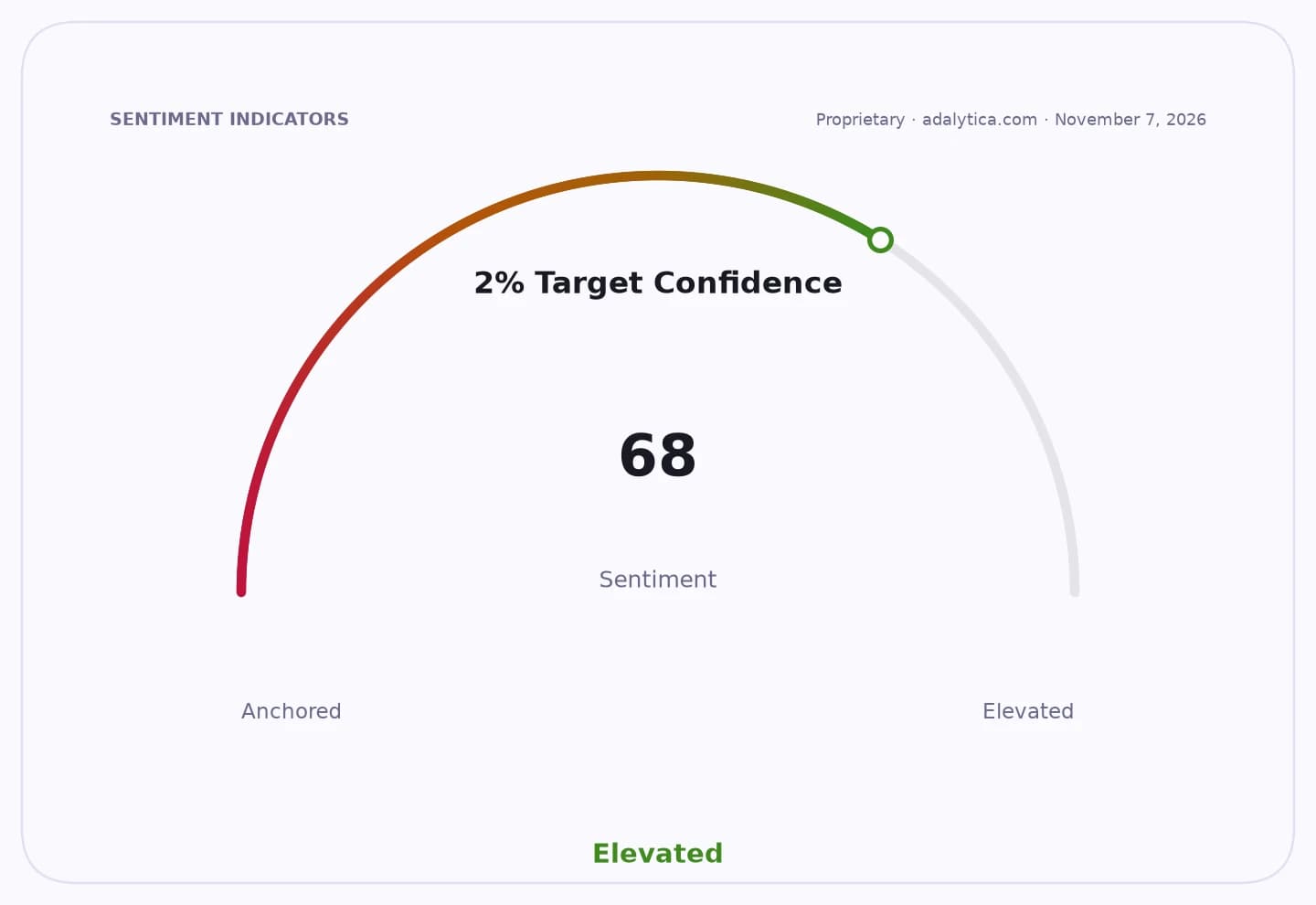
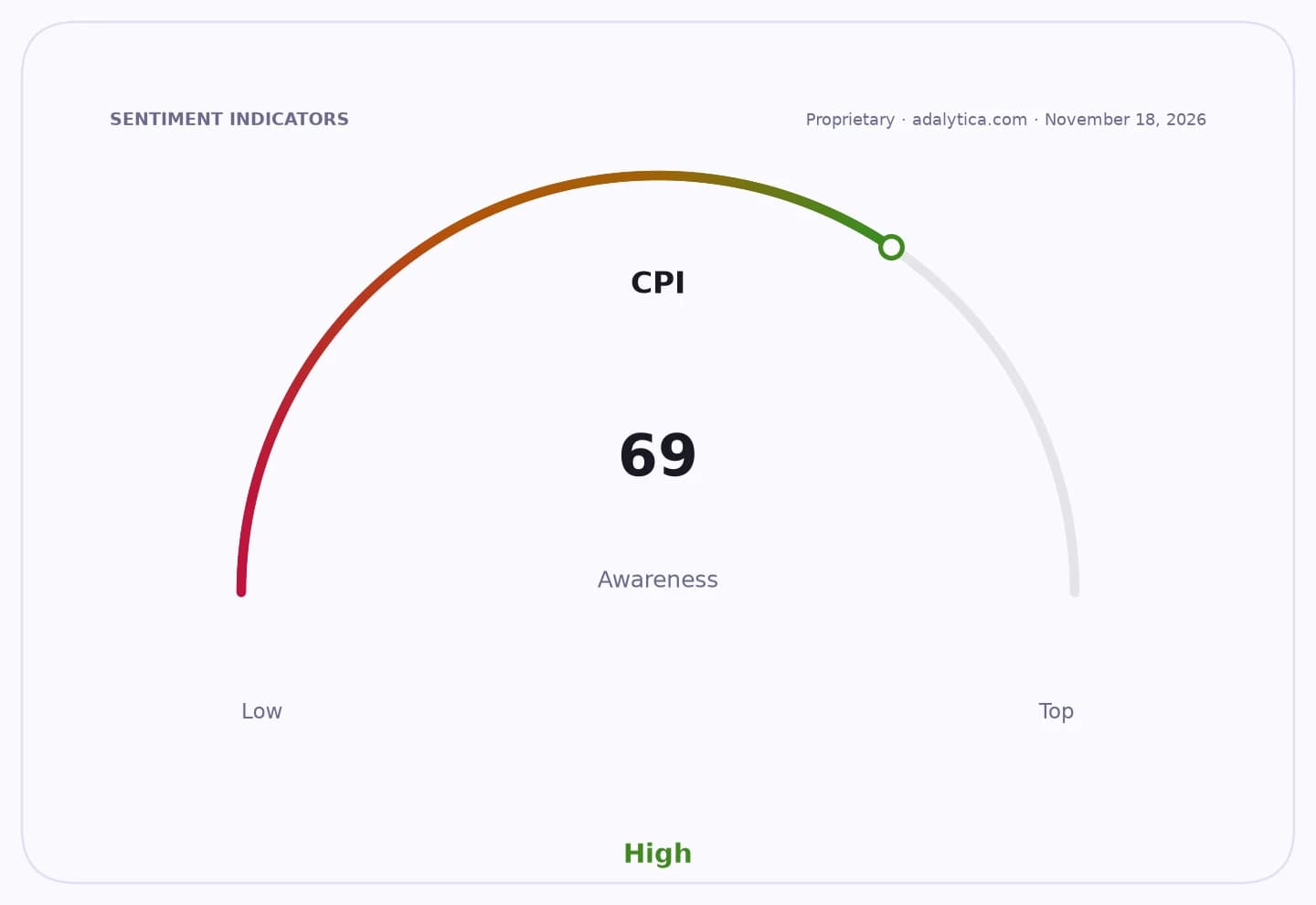
Sentiment Indicators
Long-term Inflation Expectations
The revisions matter because they point to a longer period in which inflation stays above the ECB’s 2% target, even as growth remains vulnerable to energy costs and weak demand. That combination complicates the central bank’s task: cut rates too early and it risks entrenching inflation expectations, but keep policy tight for too long and it could deepen the bloc’s already fragile recovery.
Energy is the immediate driver. The Commission said consumer energy inflation has risen to 20.8% year on year, up 24 percentage points since February, underscoring how geopolitical shocks continue to feed directly into household costs and business input prices. With headline inflation still seen above 3% on average in 2026 and 2027, the pressure on real incomes will linger and could restrain consumption across the currency bloc.
2% Target Confidence
For investors, the forecast reinforces the view that euro-area rates may stay higher for longer than markets had priced in earlier this year. That has implications for sovereign bond yields, bank margins and the euro itself. Higher-for-longer inflation also leaves open the risk of renewed volatility in inflation-linked assets and rate-sensitive sectors such as property and utilities.
The outlook is less alarming than the peak seen during the post-pandemic surge, but it is still enough to keep the ECB focused on upside inflation risks rather than the comfort of a quick return to target. Markets will now watch whether incoming energy data and wage trends confirm the Commission’s view that price pressures ease only slowly through 2027 before settling back near target in 2028.
| Entity | Gains | Losses |
|---|---|---|
| ECB hawks | ▲Policy flexibility | ▼Rate-cut pressure |
| Bondholders | ▲Higher carry short term | ▼Price risk from sticky inflation |
| Euro-area consumers | ▲— | ▼Lower real purchasing power |
| Energy producers | ▲Higher pricing power | ▼— |