Ford’s Kuga Full Hybrid is a reminder that the real investment story in autos right now is not all-electric hype, but the quieter, more durable race to build efficient SUVs that buyers can actually live with. For investors, that matters because hybrid demand is helping automakers keep pricing power, protect margins and stay relevant as consumers push back on range anxiety, charging costs and higher vehicle prices.
Hybrids, Not EV Hype, Drive Auto Margins
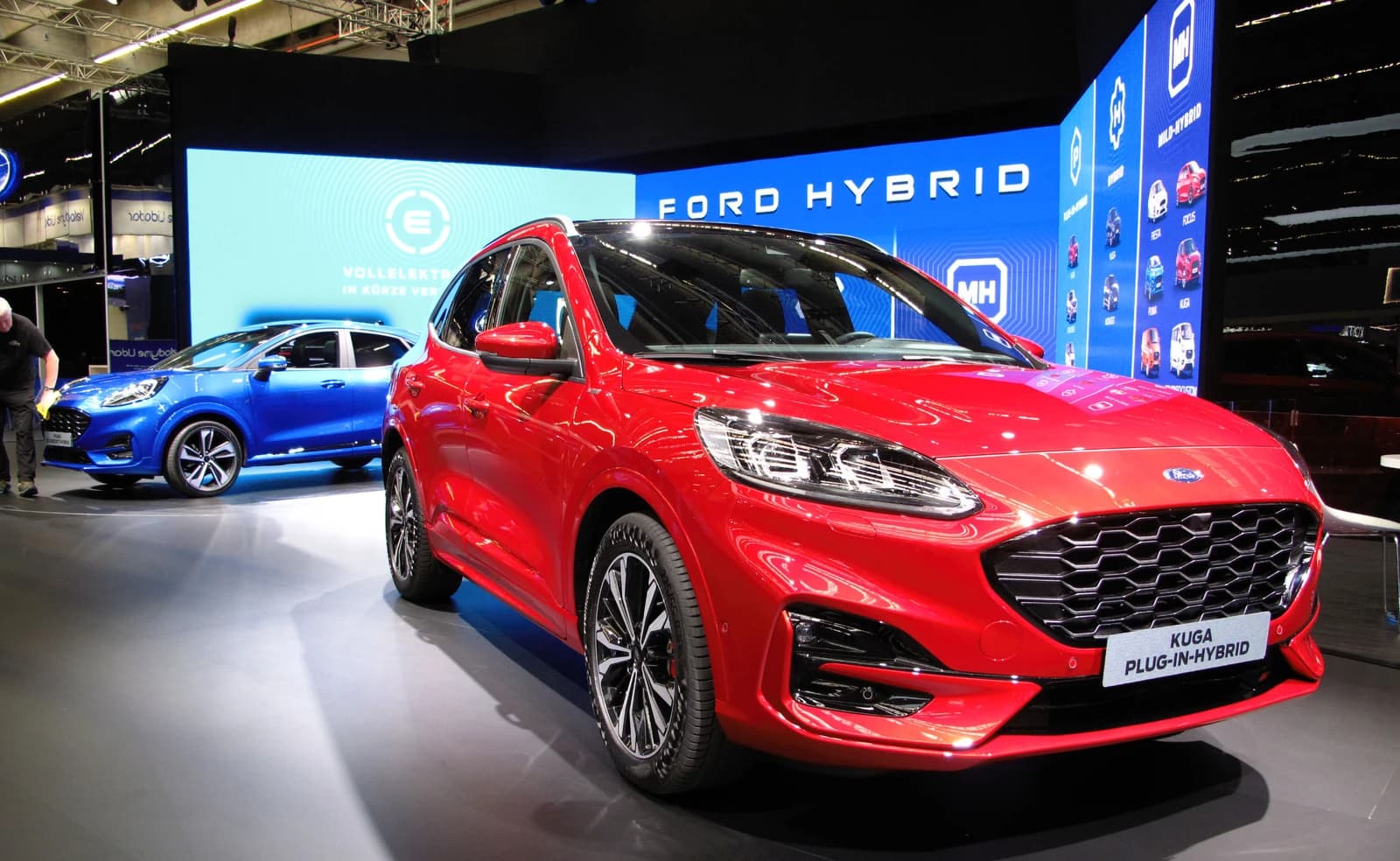
The Kuga’s appeal rests on four points that matter economically: it blends fuel savings with SUV practicality, it offers technology that reaches beyond the base trim, it sits in one of the most competitive and profitable segments in global autos, and it reflects how brands are using hybrid systems as a bridge to electrification rather than a dead end. In a market where consumers want versatility, not ideology, that is a commercially important formula.
That helps explain why hybrid SUVs are becoming a battleground for nearly every major automaker. Citroën’s latest coupe SUV, Honda’s Avancier, BYD’s long-range electric SUV and Kia’s rugged off-roader all point to the same thing: buyers are rewarding models that combine style, utility and efficiency, while manufacturers are racing to keep their lineups fresh. The hybrid piece is especially valuable because it can broaden the customer base without forcing a full infrastructure leap.
The market has already recognized the strength of that trend in a broader sense. Ford shares have climbed above both the 50-day and 200-day moving averages, with recent trading showing momentum cooling after a sharp run-up, while Honda has also recovered from its spring lows. That kind of price action suggests investors are still willing to pay for auto companies that can show product relevance, even in a sector that has been under pressure from slower global growth and intense competition.
For Ford, the longer-term question is whether vehicles like the Kuga can help sustain a more resilient earnings mix. Hybrids may not carry the same software-like margins as some investors once hoped from pure EVs, but they can deliver something just as valuable: steadier demand, less inventory risk and a better path to profitable scale. If hybrids remain the preferred compromise for mainstream buyers, the companies with credible SUV offerings should have an edge.
There are still risks. Competition is brutal, incentives can compress returns, and consumer appetite can shift quickly if financing costs rise or battery-electric adoption accelerates again. But for long-term investors, the bigger takeaway is that hybrid SUVs are not a stopgap story anymore. They are a core part of the industry’s next phase, and that makes models like the Kuga worth watching as a signal of where volume, margin and brand loyalty may compound over the next several years.
| Entity | Gains | Losses |
|---|---|---|
| Ford | ▲Hybrid relevance | ▼Pure-EV only narrative |
| SUV buyers | ▲Better efficiency | ▼Higher fuel costs |
| Competitors with weak hybrids | ▲— | ▼Share and pricing power |
| Long-term investors | ▲More durable demand | ▼Chasing short-term fads |