ICA is pulling one of its best-known private-label names off Swedish shelves this autumn, folding about 250 products into a new umbrella brand as the grocery giant tries to make healthier and more sustainable choices easier to spot.
ICA Rebrands Eco Line as Gott Liv
That matters because private-label brands are not just packaging exercises for a supermarket chain like ICA — they are a way to shape customer loyalty, steer basket composition and defend margins in a competitive food market. When a retailer simplifies its own-label architecture, it is usually trying to make the offer clearer for shoppers while giving itself more control over which products win the buying decision at the shelf edge.
Sentiment IndicatorsⓘProprietary · adalytica.com · October 23, 2026
This is a snapshot — live sentiment, awareness and momentum for 130+ markets update continuously in the dashboard.Open AlphaPulse
The change centers on a new assortment called ICA Gott liv, which will bring together products with clear health or sustainability credentials across roughly 20 categories. The line will include dairy, whole grains, legumes, nuts, frozen berries and vegetables, coffee and tea, according to ICA.
The company said the products will meet criteria linked to health, sustainability or both, including the Keyhole nutrition label, organic production, Swedish origin or certifications such as KRAV, Fairtrade and Rainforest Alliance. For consumers, the most immediate effect is simpler navigation. For ICA, the bigger prize is category discipline: a cleaner label structure can reduce confusion and help nudge shoppers toward higher-value or differentiated items.
The other important part of the story is what disappears. ICA said the Ica I love eco brand will be phased out gradually, though the products themselves will not vanish. Some will move under ICA Gott liv, while others will be rebranded as Ica Ekologiskt. That means the real shift is not a retreat from organic goods, but a reorganization of how ICA markets them.
For investors in food retail, these moves are often more significant than they look. Grocery chains live and die by repeat traffic, private-label penetration and price perception. If ICA can make its own-brand portfolio easier to understand, it may be able to protect its position with shoppers who want to buy better without spending extra time decoding labels.
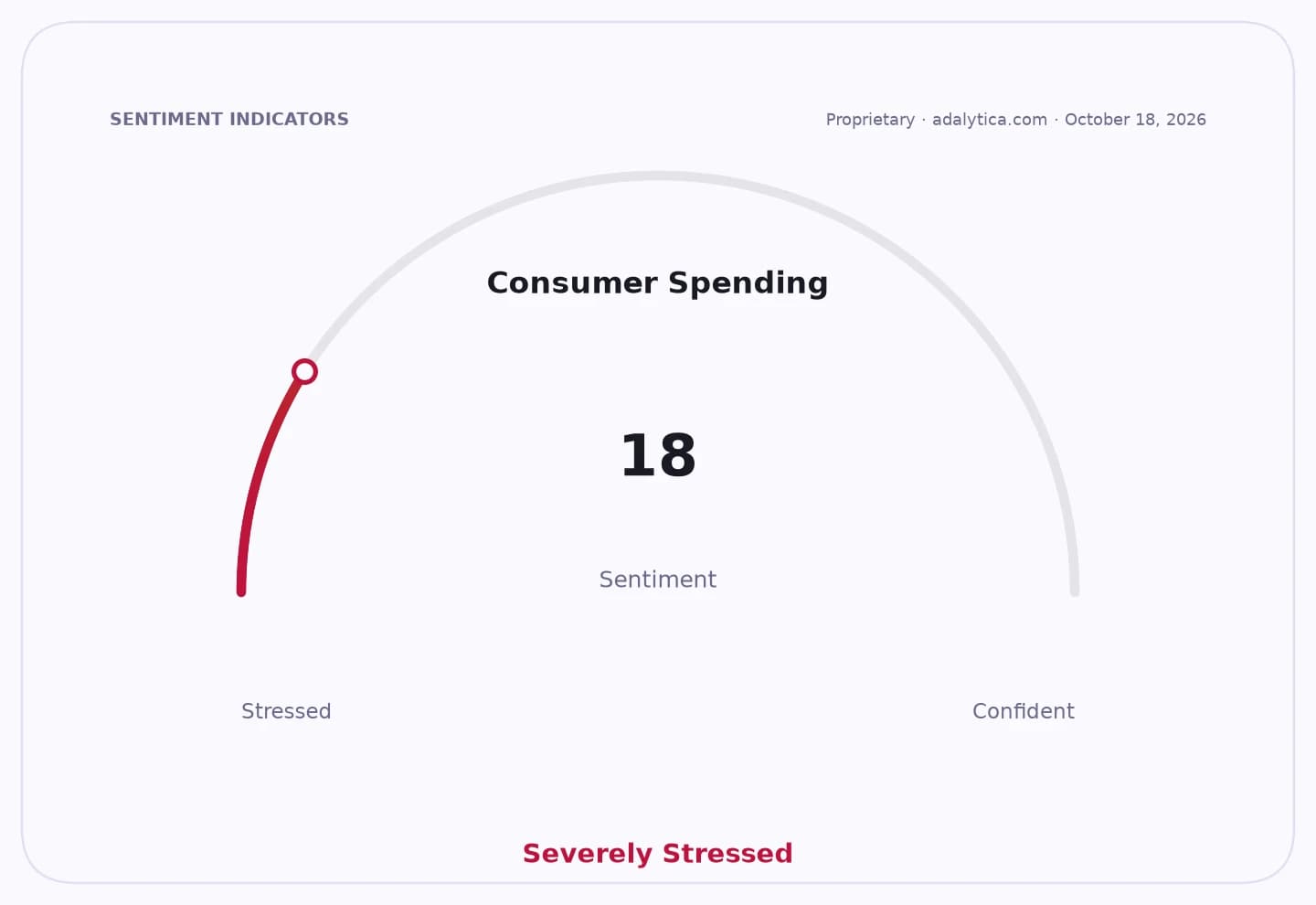
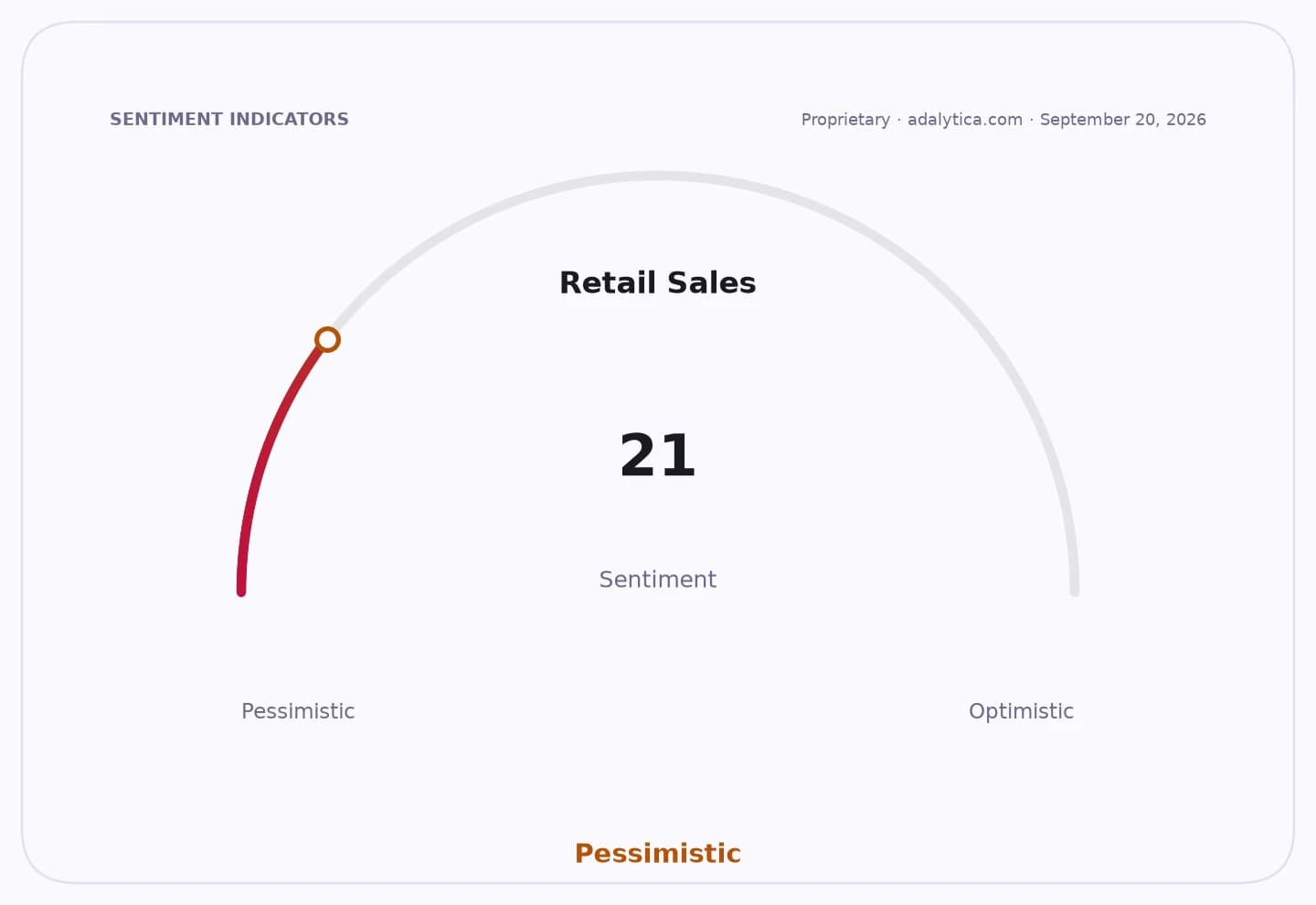
The timing also fits a broader consumer backdrop in which households are under pressure to balance price, quality and values more carefully. Retailers that can clearly separate everyday staples from products with added health or sustainability attributes tend to have an advantage, especially when consumers are cautious and selective.
There are risks, of course. Brand changes can confuse loyal buyers if the transition is sloppy, and a phased rollout always carries the chance of temporary sales disruption. But the company is trying to minimize that by steering customers to the new names and adding clearer packaging information about organic status, the Keyhole mark and Swedish origin.
Over the long term, this looks like a portfolio cleanup rather than a radical reinvention. ICA is betting that a simpler own-label system will strengthen trust, support premiumization where it matters and keep shoppers inside its ecosystem. For long-term investors, it is a reminder that in grocery retail, small branding decisions can compound into meaningful advantages over time — and this is worth watching.
| Entity | Gains | Losses |
|---|---|---|
| ICA | ▲clearer private-label portfolio | ▼brand complexity |
| Shoppers | ▲easier product selection | ▼familiar I Love Eco label |
| Organic and sustainable lines | ▲stronger visibility | ▼standalone branding |
| Rivals | ▲less direct effect | ▼ICA’s shelf control |