India’s 10-year government bond is surrendering some of the gains it made after the Reserve Bank of India’s policy move, as firmer crude prices and a pullback in RBI swap operations temper appetite for duration.
India 10-Year Bond Pulls Back on Oil and RBI Swaps
The shift matters because India’s benchmark bond is the cleanest read-through on how investors are balancing the central bank’s support against inflation and supply risks. Lower crude had briefly strengthened the case for easier policy and anchored inflation expectations, but even modest rebounds in oil quickly feed into India’s import bill, current account, and consumer prices. That makes the 10-year yield especially sensitive to any sign that the disinflation story is losing momentum.
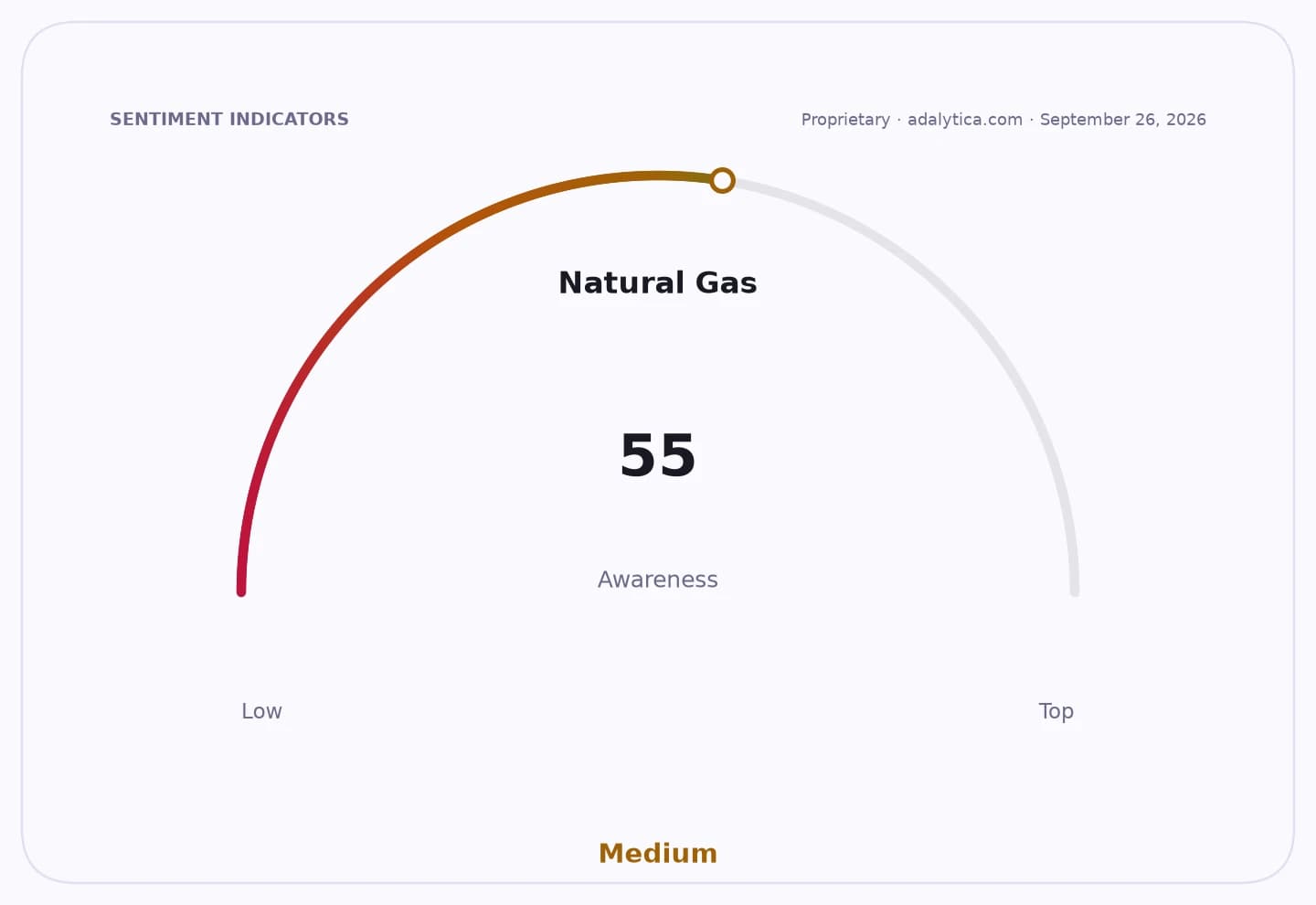
Sentiment IndicatorsⓘProprietary · adalytica.com · August 18, 2026
This is a snapshot — live sentiment, awareness and momentum for 130+ markets update continuously in the dashboard.Open AlphaPulse
Benchmark U.S. Treasuries have also been steady, with the U.S. 10-year yield around 4.68% and the two-year at 4.17%, limiting any strong external tailwind for emerging-market debt. But the bigger domestic issue is the RBI’s reduced swap activity, which has removed a source of liquidity support that had helped keep yields contained after policy.
The result is a more cautious tone in Indian rates. Traders appear willing to buy on dips, but the market is no longer extending the post-policy rally aggressively. That leaves the 10-year vulnerable to profit-taking if oil pushes higher or if upcoming inflation data comes in firm, particularly with the market already wary of supply from new issuances.
The broader signal for investors is that India debt remains supported, but not in a one-way fashion. The benchmark can still outperform if crude retreats further and the RBI keeps financial conditions easy, yet the near-term balance has tilted toward range trading rather than fresh yield compression. For foreign investors in particular, the combination of oil sensitivity and a less active central-bank liquidity backdrop argues for selectivity rather than chasing the rally.
The near-term catalysts are straightforward: oil, inflation prints and any further signals from the RBI on liquidity management. If crude stabilizes and inflation stays benign, Indian bonds should regain traction. If not, the post-policy move may prove to have been a pause rather than a new leg lower in yields.
| Entity | Gains | Losses |
|---|---|---|
| Indian bond bulls | ▲Lower yields on dips | ▼Profit-taking, weaker momentum |
| Oil importers / India | ▲Cheaper inflation input if crude eases | ▼Higher inflation risk if oil rebounds |
| RBI / policy makers | ▲More room to support markets | ▼Less scope to anchor yields if liquidity eases |
| Foreign bond investors | ▲Stable entry points in high-grade debt | ▼Mark-to-market losses if yields back up |