India’s benchmark 10-year government bond yield has pushed above 7%, a level that matters because it raises borrowing costs across the economy and tests how much higher investors are willing to demand for holding Indian debt.
India 10-year bond yield rises above 7%

The 10-year 6.94% 2036 bond yield climbed to 7.0211% after closing at 6.9762% a day earlier, with the move coming as Brent crude traded above $108 a barrel and the U.S. 10-year Treasury yield hovered near 4.97%. That combination is painful for India, which imports most of its oil and already faces a tighter global rate backdrop.
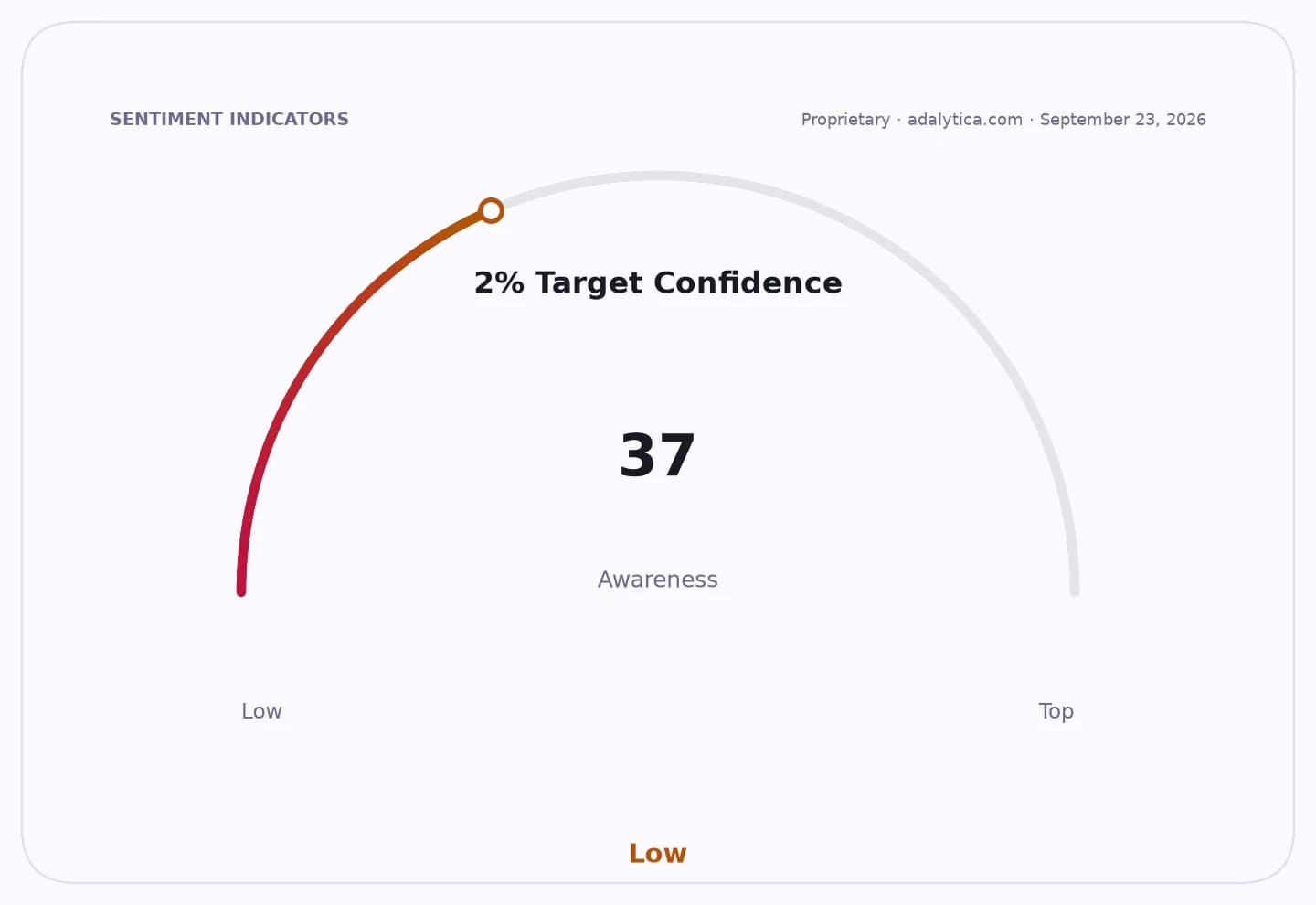
Sentiment IndicatorsⓘProprietary · adalytica.com · September 13, 2026
This is a snapshot — live sentiment, awareness and momentum for 130+ markets update continuously in the dashboard.Open AlphaPulse
For investors, the message is straightforward: higher oil pushes up inflation risks, while stronger U.S. yields make safer dollar assets more attractive. Together, those forces can pressure Indian bonds, weigh on the rupee and keep the Reserve Bank of India from easing policy too soon. Higher sovereign yields also tend to ripple through corporate borrowing costs, from banks to infrastructure firms, making capital more expensive just as businesses are trying to fund growth.
That is why the move above 7% is more than a round number. It is a reminder that India’s fixed-income market does not trade in isolation. Global energy prices, U.S. rate expectations and domestic inflation outlooks all feed directly into the cost of capital for one of the world’s fastest-growing major economies.
Exchange-traded funds tracking India have also reflected the strain. The iShares MSCI India ETF, which has been slipping below its 50-day and 200-day moving averages, shows investors are already demanding more caution on the equity side as well. India-focused funds such as the WisdomTree India Earnings Fund have held up better, but higher yields still matter because they can compress valuation multiples if bond returns become more attractive.
Long term, this is the kind of backdrop that rewards patience rather than prediction. India still has powerful structural growth drivers, but investors should expect bouts of volatility whenever crude oil spikes and U.S. yields climb. For anyone building exposure to India over the next 3 to 10 years, this looks like a market to watch closely, keep diversified and add gradually rather than chase short-term moves.
| Entity | Gains | Losses |
|---|---|---|
| Oil producers | ▲Higher revenues | ▼Oil importers |
| U.S. Treasury buyers | ▲Higher yields | ▼Bond prices |
| Indian lenders | ▲Wider loan pricing | ▼Borrowers |
| India equity investors | ▲Buying opportunities | ▼Near-term valuations |