Higher bond yields are reshaping the outlook for inflation, central-bank policy and capital flows, with the U.S. 10-year Treasury yield near 4.8% and India’s benchmark 10-year government bond yield climbing to about 7%.
India Bond Yields Rise as U.S. Treasuries Near 4.8%

The move matters because borrowing costs are the price of money across the economy. When sovereign yields rise, governments pay more to finance deficits, companies face a higher hurdle for investment, and households eventually see tighter credit conditions in mortgages, consumer loans and other forms of financing. For investors, the shift is especially important because it changes the relative attractiveness of bonds versus equities and can pull foreign money toward safer, higher-yielding markets.
Sentiment IndicatorsⓘProprietary · adalytica.com · September 8, 2026
This is a snapshot — live sentiment, awareness and momentum for 130+ markets update continuously in the dashboard.Open AlphaPulse

The latest rise is being driven by a familiar but uncomfortable combination: stronger oil prices, persistent global fiscal deficits and geopolitical uncertainty. In India, where crude and energy imports are critical, higher oil prices feed directly into transport, food and input costs, increasing the risk of imported inflation. That in turn complicates the Reserve Bank of India’s room to ease policy even if domestic growth slows.
The benchmark 10-year government bond is the key reference point for long-term borrowing costs in the economy. Its climb from 6.69% in July to 6.97% in early September suggests markets are already pricing a less benign inflation path and a more cautious rate outlook. In the U.S., the 10-year yield around 4.8% gives global investors a higher risk-free alternative, raising the bar for emerging-market bonds and putting pressure on Indian debt and equities alike.
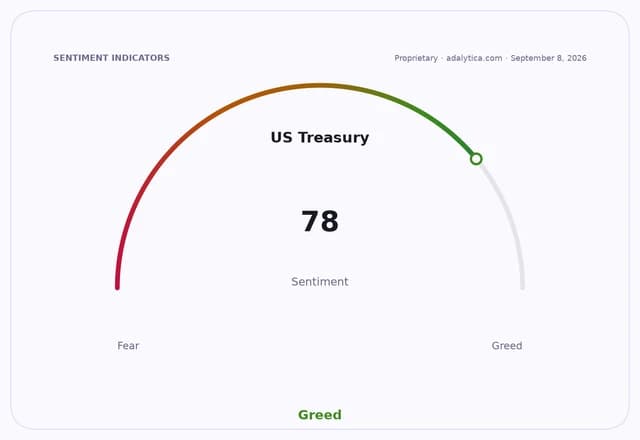
That spillover is already visible in bond funds and interest-rate sensitive assets. Indian bond yields tend to rise when U.S. yields move up because overseas investors compare returns after adjusting for currency risk. If Treasuries offer better income with lower risk, foreign portfolio investors may trim exposure to emerging markets, tightening financial conditions even without any change in domestic policy rates.
There is a bull case for bond buyers: higher yields improve future income and may offer better entry points for short-duration and high-quality debt funds. But the bear case is stronger in the near term. If oil remains elevated and global yields stay firm, inflation expectations can drift higher, the rupee can come under pressure and duration-heavy bond portfolios can suffer further mark-to-market losses.
For investors, the key issue is not just the level of yields but whether the rise reflects a durable reset in inflation and rate assumptions. If it does, long-duration bonds remain vulnerable and equities may also struggle with a higher discount rate. If the move proves temporary, current yields could eventually look attractive. For now, the market is treating the jump as a warning that the easy-money era is not returning soon.
| Entity | Gains | Losses |
|---|---|---|
| Short-duration bond funds | ▲Higher carry | ▼Lower price upside |
| Long-duration bond funds | ▲— | ▼Mark-to-market losses |
| Foreign investors in Treasuries | ▲Higher risk-free yield | ▼Less reason to buy EM debt |
| Indian borrowers and equities | ▲— | ▼Higher funding costs |