India’s cyber defense agency is gaining access to Anthropic’s Claude Opus 4.5, a development that could sharpen the country’s ability to detect vulnerabilities and respond to increasingly sophisticated attacks, but also underscores the risks of using frontier AI in security work.
India CERT-In gets Anthropic Claude Opus 4.5
CERT-In, the government’s nodal cyber incident response body, plans to use the model to probe weaknesses in systems and test defenses, according to reports. Officials said the deployment will be slow and cautious, with inputs fed into the model gradually as the agency evaluates how it behaves. That restraint reflects the central dilemma around advanced AI in cybersecurity: the same tools that help defenders find flaws faster can also be used by attackers to automate reconnaissance, exploit gaps and scale intrusion attempts.
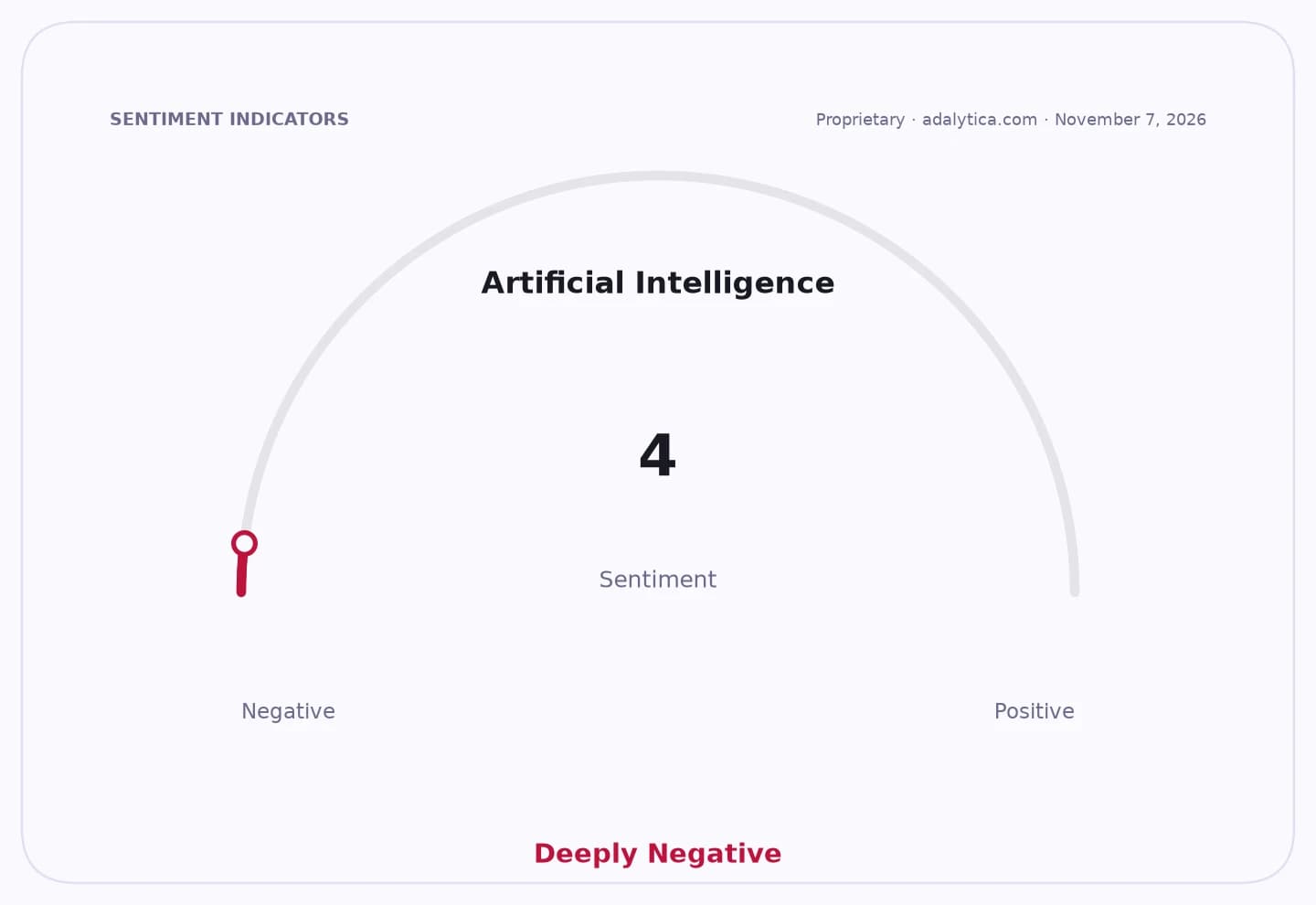
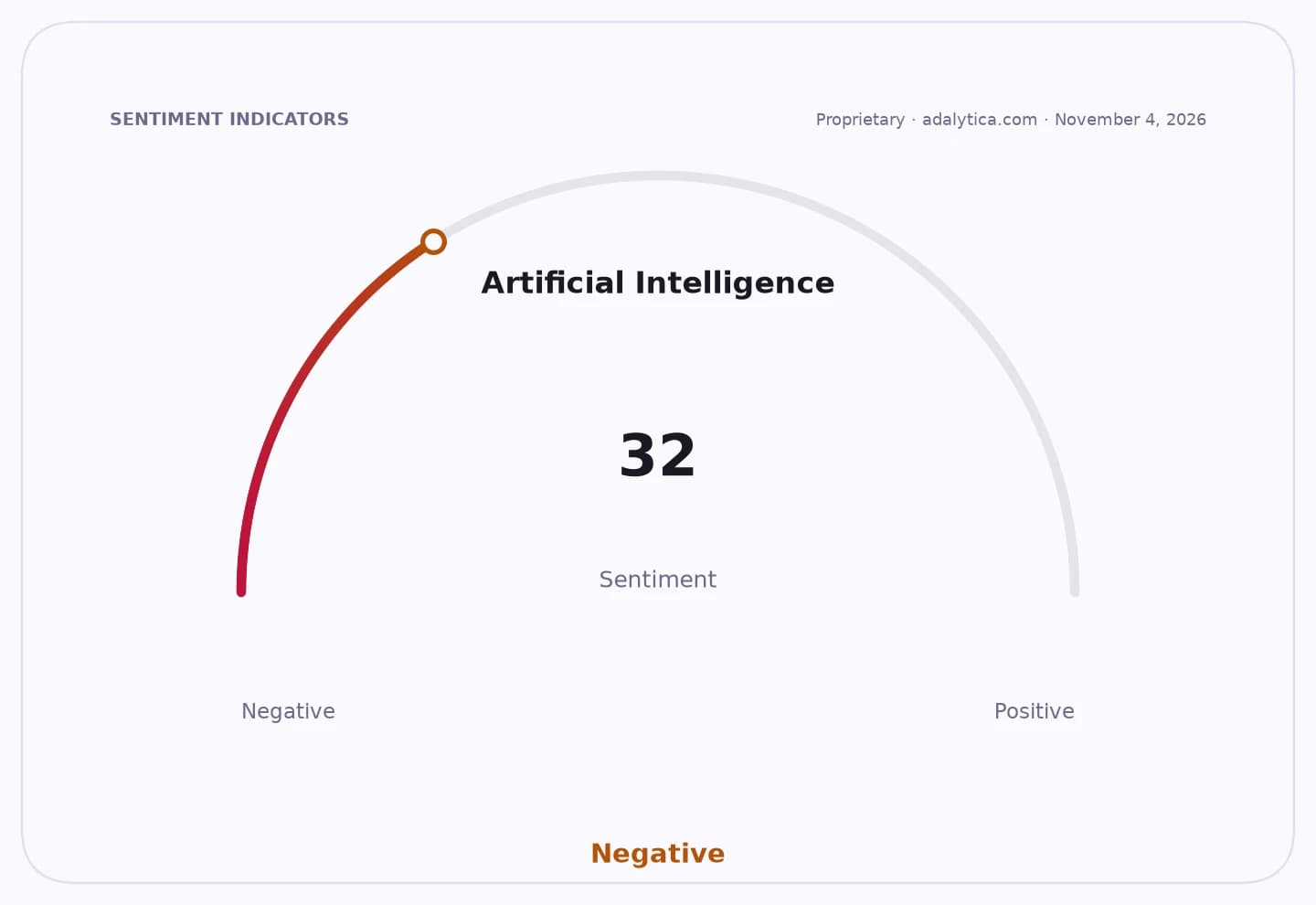
Sentiment Indicators
The move comes after CERT-In warned that some dangerous AI agents had already breached systems at select Indian organizations, though it did not name the targets. Against that backdrop, access to a top-tier model gives India a more capable offense-defense toolkit at a time when cyber incidents are becoming more frequent, more automated and more consequential for critical infrastructure, financial institutions and government networks.
The strategic value is straightforward. Better AI can reduce the time between vulnerability discovery and remediation, widen the range of attack scenarios security teams can test and help agencies move from reactive incident response to proactive threat hunting. That matters economically because cyber attacks can interrupt business operations, erode trust in digital services and force higher spending on remediation, insurance and compliance. For a country that is pushing deeper into digital public infrastructure, the cost of a serious breach rises with every new system brought online.
The fact that CERT-In is not relying on a single model also matters. Officials said the agency is already using other AI models, suggesting a deliberate effort to avoid vendor dependence and to compare outputs across platforms. That mirrors how enterprise security teams increasingly want a layered, model-agnostic approach rather than betting on one AI provider for threat detection and analysis.
For investors, the story is less about a direct earnings catalyst than about the expanding commercial use case for frontier AI in cybersecurity. Microsoft and Nvidia remain central to that theme as the infrastructure backbone of advanced AI, while Palo Alto Networks and similar security vendors stand to benefit if public-sector adoption accelerates demand for AI-assisted defense tools. The flip side is that broader use of advanced models in security work raises the bar for governance, monitoring and model safety, which could slow deployment and increase scrutiny from regulators.
The market backdrop is also important. Adalytica’s AI sentiment gauge is in “Extreme Fear,” reflecting a sharp deterioration in broad AI market mood over the past month, even as interest in practical, defense-oriented uses remains intact. That split suggests investors are becoming more selective: enthusiasm for AI infrastructure remains, but there is less tolerance for speculative narratives and more focus on measurable enterprise and government utility.
For India, the immediate implication is that cyber readiness is becoming a strategic priority rather than a technical back-office issue. If CERT-In can use advanced AI effectively without creating new attack surfaces, it strengthens the country’s resilience against a class of risks that can disrupt commerce as quickly as they can compromise data.
| Entity | Gains | Losses |
|---|---|---|
| CERT-In / India | ▲Faster threat detection | ▼Greater model-risk oversight |
| Anthropic / Claude | ▲Government validation | ▼Higher scrutiny over safety |
| Cybersecurity vendors | ▲Stronger AI demand | ▼Pricing pressure from AI commoditization |
| Attackers | ▲More AI-driven arms race | ▼Less room for easy exploits |