India’s core sector output accelerated to 10.9% in October, a sharp upswing that points to firmer industrial momentum at the start of the second half of the fiscal year and could support broader growth even as demand remains uneven.
India core sector output rises 10.9% in October

The gain was powered by heavy industry rather than consumer-led activity. Coal output rose 23.1%, electricity generation climbed 21.6% and iron ore production increased 26.4%, while cement output advanced 15.4%. Those sectors together carry outsized weight in India’s industrial economy, so the print suggests stronger energy availability and upstream materials demand feeding through factories, construction and infrastructure activity.
Sentiment Indicators
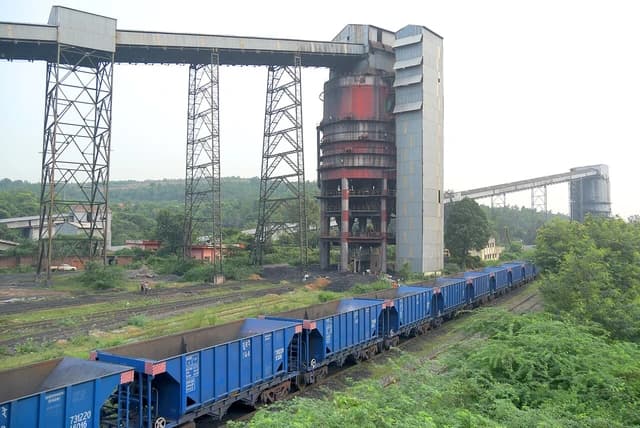
The reading matters because the core industries index is a key proxy for industrial production and a bellwether for GDP. When coal, power and mining accelerate together, it usually implies that supply-side bottlenecks are easing and that public capex and construction-linked demand are doing more of the heavy lifting. That is constructive for a government looking to sustain growth without leaning too heavily on household consumption or credit-fuelled expansion.
For investors, the report reinforces a bullish case for India’s cyclical and infrastructure trade. Power producers, coal miners, mining contractors, rail and logistics firms, and industrial materials suppliers typically benefit when core output strengthens. Cement, steel and infrastructure names also gain from better volume visibility if the trend proves durable. The flip side is that a supply-led boost can be less durable than demand-led growth, and it may not fully translate into pricing power or margin expansion if end-demand remains patchy.
PMI Trends
The data also fits a broader macro narrative of India trying to balance growth with inflation management. Higher coal and power output can ease shortages that have previously constrained manufacturing, while stronger ore production supports metals and construction supply chains. But a powerful upside in core sectors can also raise questions about energy intensity, logistics strain and whether industrial acceleration is broad enough to persist beyond a single month.
The key test will be whether the improvement filters into the wider manufacturing and investment cycle over the next few prints. If core growth remains near double digits, it would strengthen the case that India’s industrial rebound is becoming more entrenched. If not, October may prove to be a temporary surge driven by power and commodity output rather than a lasting upturn.
| Entity | Gains | Losses |
|---|---|---|
| Coal, power and mining sectors | ▲Higher output and stronger volumes | ▼Little if demand fades |
| Infrastructure and cement firms | ▲Better activity and order flow | ▼Margin risk if costs rise |
| Indian economy | ▲Stronger industrial momentum | ▼Inflation and energy strain risk |
| Consumers and energy users | ▲Fewer supply bottlenecks | ▼Potential cost pass-through |