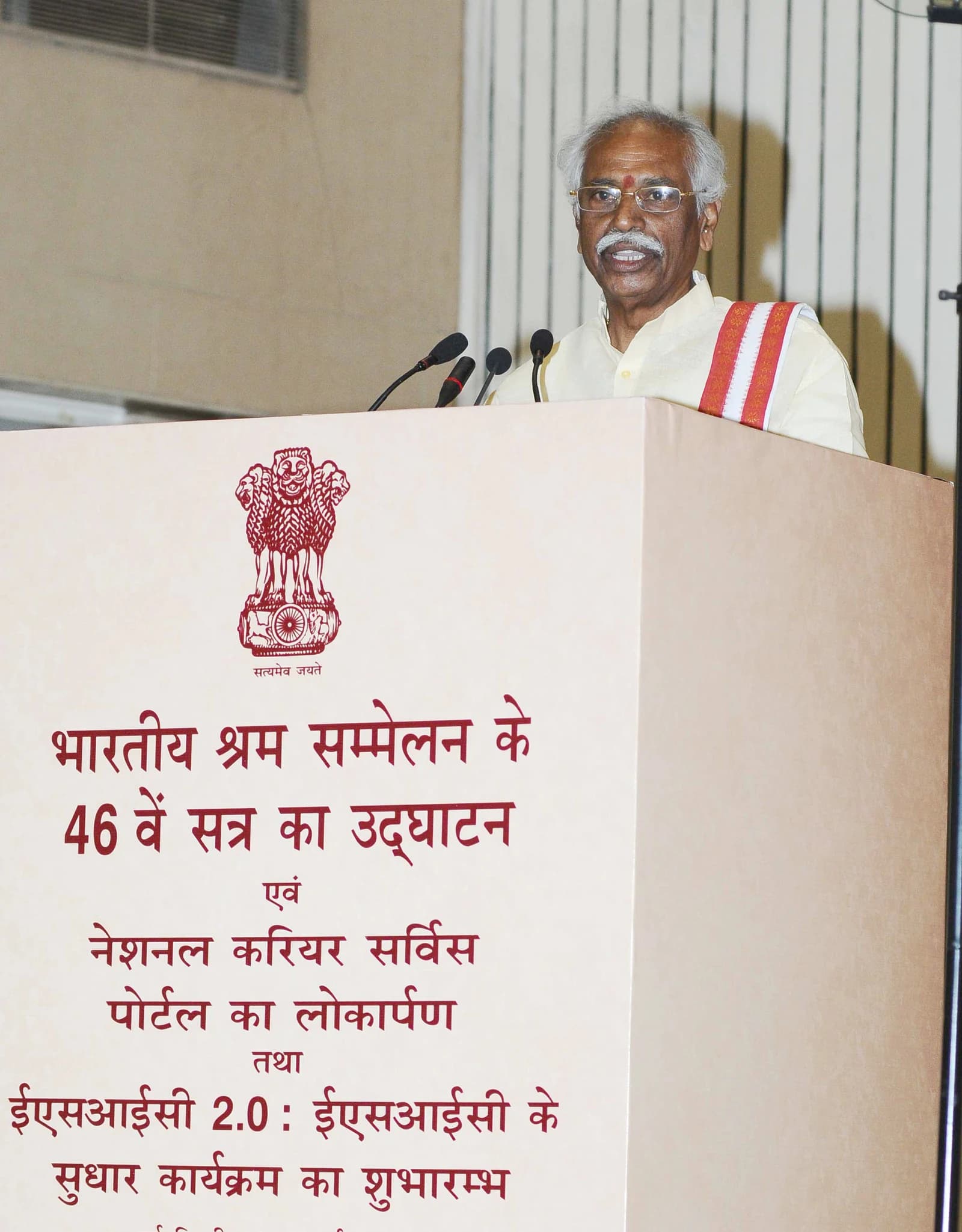
India will begin skill training for about 70,000 rural young people from October under the revamped Deen Dayal Upadhyaya-Grameen Kaushalya Yojana, a labour-market push aimed at improving employability in villages where formal jobs remain scarce.
India DDU-GKY 2.0 starts skill training for 70,000
The rollout matters because rural underemployment remains a drag on consumption, wages and migration patterns, and any large-scale training effort can help funnel workers into better-paid roles in manufacturing, services and logistics. For the government, the programme is also a way to show faster delivery on jobs and skilling ahead of the next phase of economic expansion.
Sentiment IndicatorsⓘProprietary · adalytica.com · September 30, 2026
This is a snapshot — live sentiment, awareness and momentum for 130+ markets update continuously in the dashboard.Open AlphaPulse
The Ministry of Skill Development and Entrepreneurship said the programme’s second phase, DDU-GKY 2.0, will start with that initial cohort in October. The scheme is designed to link rural youth with industry-relevant training rather than generic classroom instruction, making it more directly tied to hiring demand.
That makes the initiative economically relevant beyond the headline number. India’s growth story depends on absorbing a large working-age population into more productive employment, and skilling is one of the few policy levers available to narrow the gap between education levels and employer needs. Better-trained rural workers can raise labour-force participation, lift household incomes and support demand for consumer goods, housing and transport.
For investors, the scheme is a read-through for companies exposed to hiring, vocational education and workforce development, including private training partners and employers in labour-intensive sectors. It also supports the broader domestic-demand narrative around India, where stronger rural incomes can filter into discretionary spending and credit growth.
The announcement also fits a wider government emphasis on capacity-building, with the skill ministry recently highlighting progress under Special Campaign 5.0. While the rollout is still modest relative to India’s employment challenge, the October start gives policymakers a near-term proof point on whether a more targeted skilling model can be scaled.
| Entity | Gains | Losses |
|---|---|---|
| Rural youth | ▲Better job prospects | ▼Idle time and low-wage work |
| Government of India | ▲Political and economic credibility | ▼Pressure to show job outcomes |
| Training providers | ▲More enrolment and contracts | ▼Scrutiny on placement rates |
| Low-skilled employers | ▲Larger trained labour pool | ▼Bargaining power over wages |