Sugar prices in India are finally starting to cool, and that matters because the government has been trying to stop a festive-season spike from feeding into inflation and household budgets.
India extends duty-free raw sugar import deadline
New Delhi has extended the deadline for sugar mills to apply for duty-free raw sugar imports to Sept. 7, giving the industry more time to convert advance authorisations into tariff-rate quota approvals. The move comes after the commerce ministry on Aug. 20 allowed duty-free imports of 1 million metric tons of raw sugar through Oct. 31, a bid to add supply and steady prices ahead of Dussehra and Diwali.
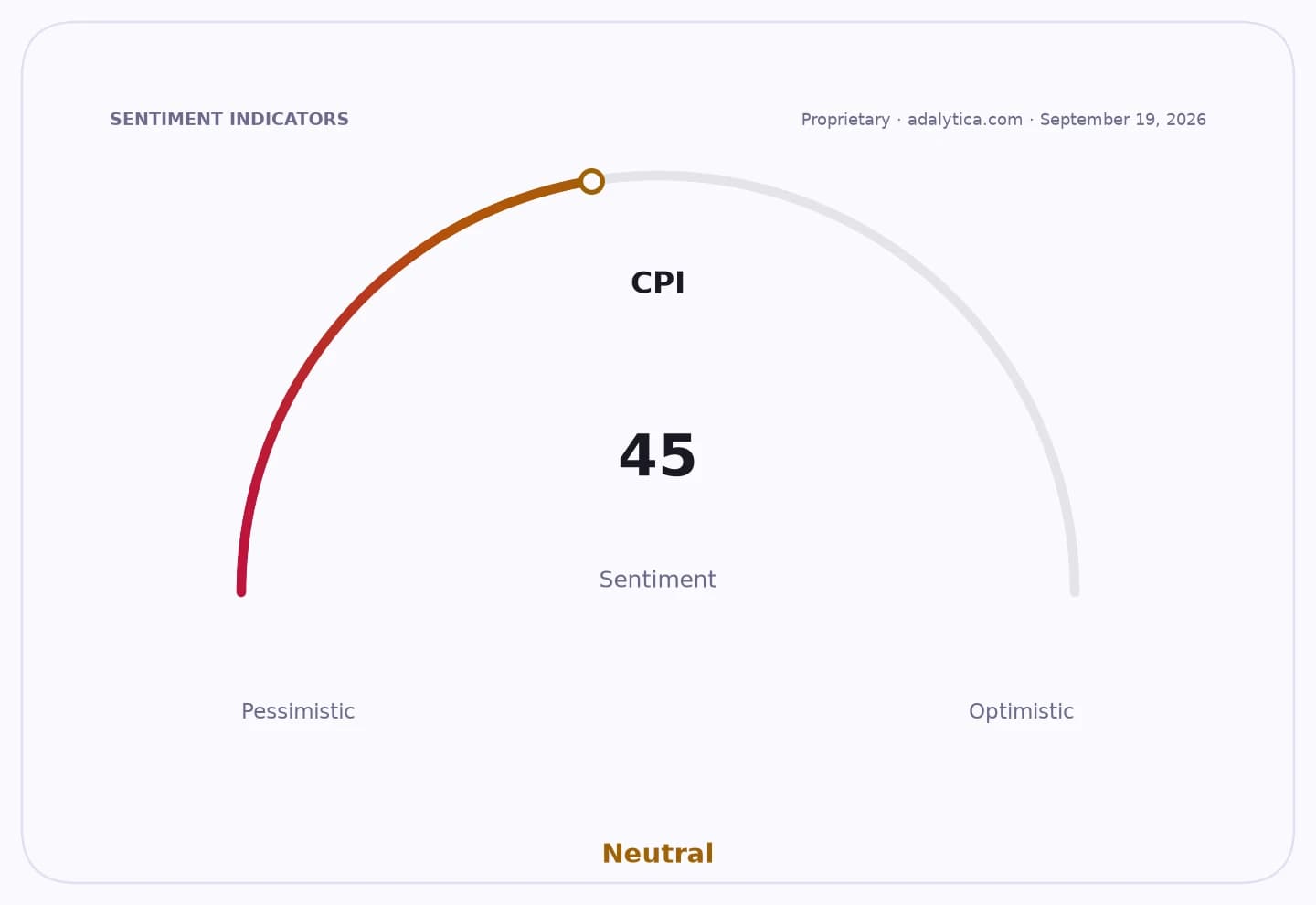
Sentiment IndicatorsⓘProprietary · adalytica.com · September 5, 2026
This is a snapshot — live sentiment, awareness and momentum for 130+ markets update continuously in the dashboard.Open AlphaPulse
The effect is showing up at the retail level, where the national average sugar price fell to 61.93 rupees a kilogram on Friday from 64.10 rupees a week earlier, according to consumer affairs ministry data. That is still about 25% above the 49.71 rupees seen a month ago, which tells investors the market remains tight even after the latest easing.
For policymakers, this is an inflation management story. Sugar is a basic kitchen item, and when prices rise before India’s biggest festive buying season, the pressure can ripple through packaged foods, sweets and restaurant costs. For consumers, a few rupees lower per kilogram may not sound dramatic, but it can help blunt the worst of the seasonal squeeze.
For investors, the key question is whether the government’s import push is enough to keep a lid on prices without damaging mill economics. More supply usually helps food companies and consumers, but it can cap upside for sugar producers if the relief lasts. The broader takeaway is that Indian authorities are still willing to use trade policy to stabilize the market, which reduces the risk of a disorderly price spike.
The other important signal is that both the government and the Indian Sugar and Bio-energy Manufacturers Association say there is no shortage in the country. That suggests this is less about an outright supply crisis and more about smoothing a market that had run hot too quickly.
If the recent pullback in retail prices continues into the festival season, the pressure on sugar-linked inflation should ease further. For long-term investors, the better question is not whether sugar prices bounce around — they will — but which businesses can hold margins, maintain pricing power and keep cash flowing when the cycle turns. For now, this looks like a policy-backed pause rather than a permanent reset, so it is worth watching, not chasing.
| Entity | Gains | Losses |
|---|---|---|
| Consumers | ▲Lower festive-season costs | ▼Less relief if prices stay high |
| Food makers | ▲Easier input costs | ▼Margin pressure if sugar spikes again |
| Sugar mills | ▲More time to import raw sugar | ▼Risk of softer domestic pricing |
| Government | ▲Inflation control | ▼Political pressure if prices rebound |