Trump’s repeated assertion that he “ended” the India-Pakistan conflict is colliding with renewed friction over Pakistan-administered Kashmir, underscoring how fragile South Asia’s security backdrop remains and why geopolitical risk can still move markets even when the immediate fighting is absent.
India ETF INDA at 49.80 as Kashmir tensions rise
The issue matters economically because any spike in India-Pakistan hostility raises the odds of disrupted trade flows, higher defense spending, weaker business confidence and a broader risk premium on Indian and regional assets. It also matters for investors because India has been one of the market’s favored long-term growth trades, and that premium depends in part on the assumption that political shocks will not derail capital inflows, reform momentum or earnings visibility.
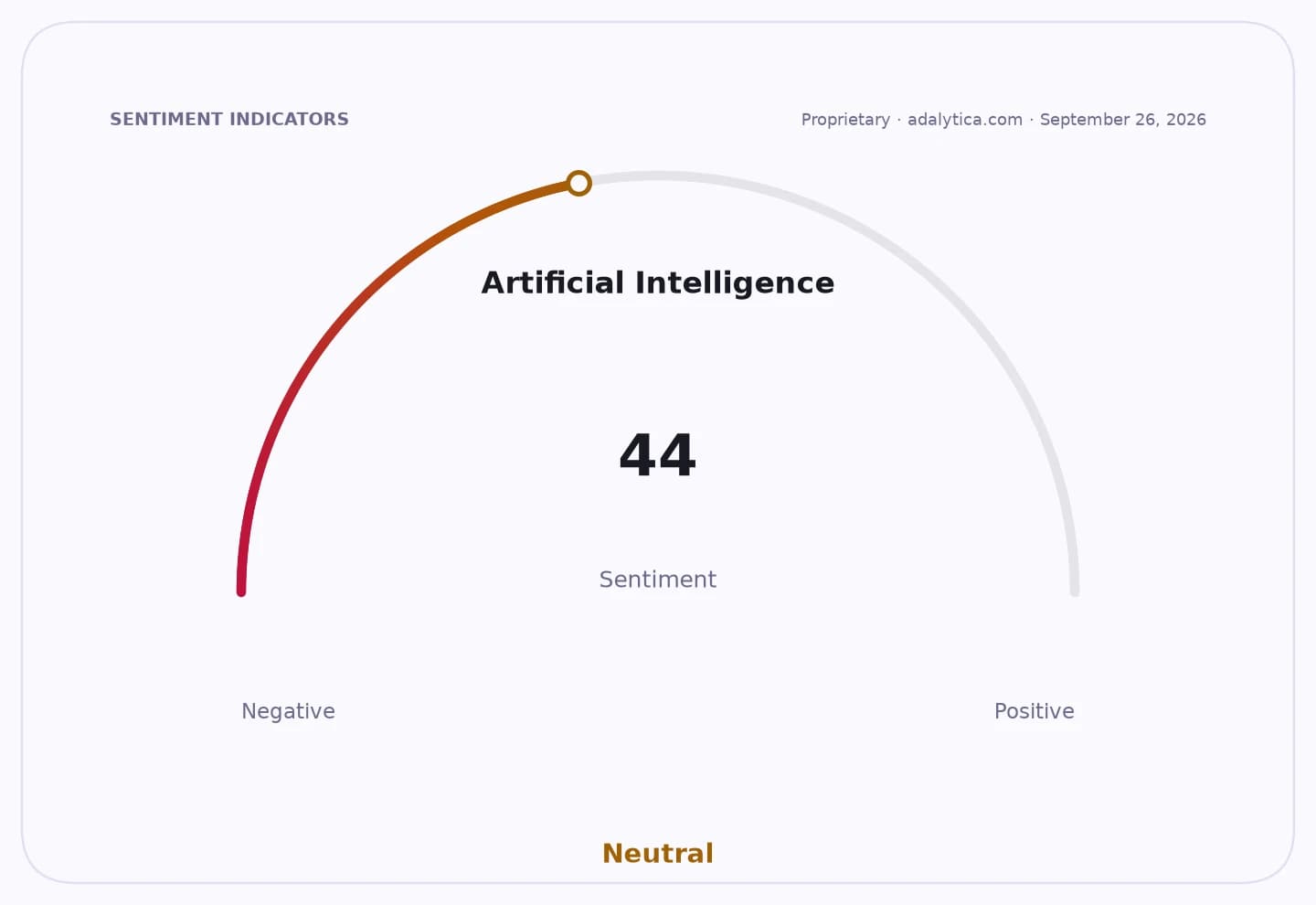
Sentiment IndicatorsⓘProprietary · adalytica.com · August 1, 2026
This is a snapshot — live sentiment, awareness and momentum for 130+ markets update continuously in the dashboard.Open AlphaPulse
The latest tension centers on New Delhi’s sharp condemnation of Pakistan’s crackdown in Pakistan-occupied Jammu and Kashmir, where authorities reportedly used force against demonstrators and India said at least 40 people were killed. India has rejected the legitimacy of elections in the area and called the suppression “brutal repression,” while also attacking remarks by Pakistan’s defense minister as evidence of contempt for civilians. That rhetoric keeps Kashmir at the center of bilateral friction and raises the risk of further diplomatic escalation.
Trump’s claim, meanwhile, is part of a broader pattern in which Washington seeks to portray itself as a stabilizing force in one of the world’s most dangerous nuclear rivalries. Whether or not the former president’s statement carries policy weight, it reflects the reality that the U.S. remains an important outside actor whenever India-Pakistan tensions intensify. For markets, the bigger question is not who gets credit, but whether the region can avoid a cycle of retaliation that would spill into investor sentiment.
That risk is showing up in relative market behavior. India-focused ETF INDA closed at 49.80 on July 31, edging above its 50-day moving average of 48.72, with RSI at 60.9 and MACD turning positive, suggesting the fund has recovered from earlier weakness. The broader iShares MSCI India ETF, EPI, finished at 42.99, also above its 50-day average of 42.38 and with RSI at 59.6. Both funds remain below their 200-day moving averages, however, a reminder that the rebound has not fully erased the pressure that hit Indian equities earlier this year.
For investors, that technical setup suggests markets are treating the latest geopolitical noise as manageable for now rather than as a full-blown crisis. The bull case is that India’s domestic growth story, earnings resilience and foreign inflows will continue to outweigh episodic border tensions. The bear case is that repeated flare-ups in Kashmir keep a lid on valuations, especially if they coincide with tariff, currency or oil shocks that would amplify India’s external vulnerabilities.
The next catalysts are diplomatic: whether New Delhi and Islamabad limit the rhetoric, whether international pressure tempers the crackdown in Kashmir and whether the region’s security environment deteriorates further. For now, Trump’s claim is less a market-moving policy announcement than a reminder that South Asia remains one of the few places where political headlines can still quickly turn into asset-class risk.
| Entity | Gains | Losses |
|---|---|---|
| India | ▲Security premium if tensions cool | ▼Higher risk premium if clashes deepen |
| Pakistan | ▲Diplomatic cover if outside mediation grows | ▼Pressure from criticism over Kashmir crackdown |
| Indian equities/INDA, EPI | ▲Relief rally if escalation fades | ▼Valuation pressure from renewed conflict risk |
| U.S. political actors | ▲Credibility from peacemaking claims | ▼Exposure if claims are seen as overstated |