Extortion networks operating across India, including in Delhi, are driving fear among households and business owners even as police step up arrests and raids aimed at breaking organized crime cells.
India extortion crackdowns hit local business confidence
The immediate economic issue is not just crime, but the chilling effect on spending, hiring and local business activity when traders and ordinary residents feel unsafe. Extortion raises the cost of doing business, disrupts cash flows and can force firms to divert money to private security, informal protection or lost inventory rather than expansion and wages. In cities where gangs can intimidate small merchants and contractors, the damage extends beyond the direct victims: neighborhood commerce slows, compliance costs rise and confidence in local enforcement is tested.
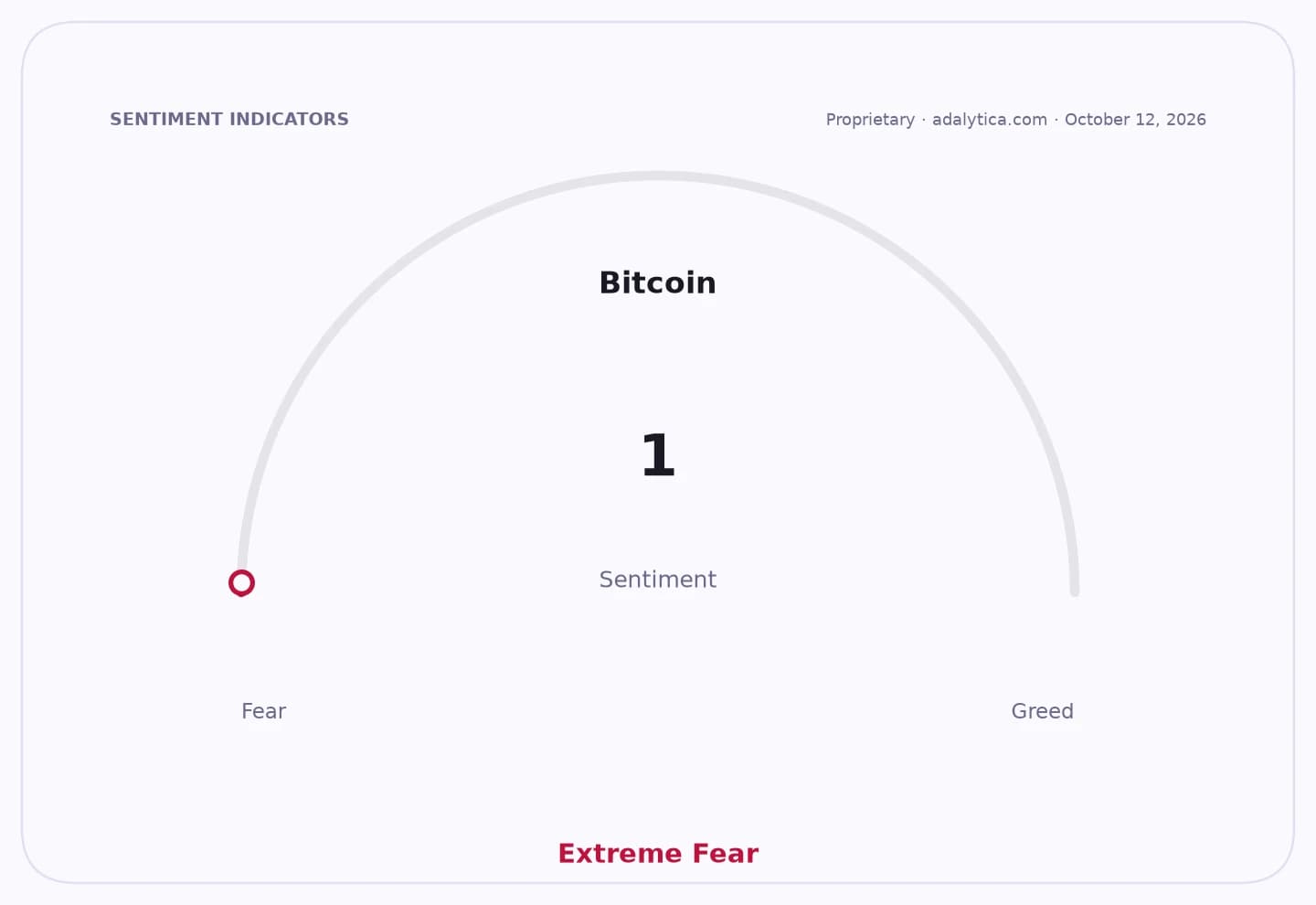
Sentiment IndicatorsⓘProprietary · adalytica.com · October 16, 2026
This is a snapshot — live sentiment, awareness and momentum for 130+ markets update continuously in the dashboard.Open AlphaPulse
The latest law-enforcement actions suggest authorities are trying to contain the problem before it becomes embedded in everyday commerce. Multiple extortion- and kidnapping-related networks have recently been dismantled in different regions, with arrests tied to robbery and coercive collection schemes. That matters because these groups often rely on the same channels — threats over the phone, street muscle and rapid movement across jurisdictions — making them hard to uproot without coordinated policing.
For investors, the story is a reminder that security conditions can affect everything from consumer sentiment to small-business earnings, especially in urban markets where informal cash transactions remain common. Retailers, logistics operators, property owners and local lenders are exposed when extortion risk rises, while companies with stronger compliance systems and private security budgets may be better insulated. In listed markets, persistent crime can also weigh on tourism, transport and discretionary consumption, even if the direct financial impact is difficult to quantify in the short term.
The broader narrative is that public safety has become an economic variable. If the crackdown holds, the benefit should accrue to local businesses, lenders and consumer-facing firms that depend on foot traffic and confidence. If gangs adapt faster than police, the losers will be the small operators least able to absorb intimidation costs, and the drag on activity will spread well beyond the neighborhoods where the threats begin.
| Entity | Gains | Losses |
|---|---|---|
| Police / law enforcement | ▲Arrests and deterrence | ▼Resource strain |
| Small businesses / traders | ▲Safer operating environment | ▼Extortion costs |
| Households / consumers | ▲Restored confidence | ▼Panic and disruption |
| Organized crime groups | ▲None | ▼Crackdown pressure |