India stepped up security in New Delhi and imposed transport curbs ahead of a planned protest over voter-list revisions, underscoring how a contested election process is spilling into a wider political confrontation with market and governance implications.
India boosts security ahead of New Delhi protest
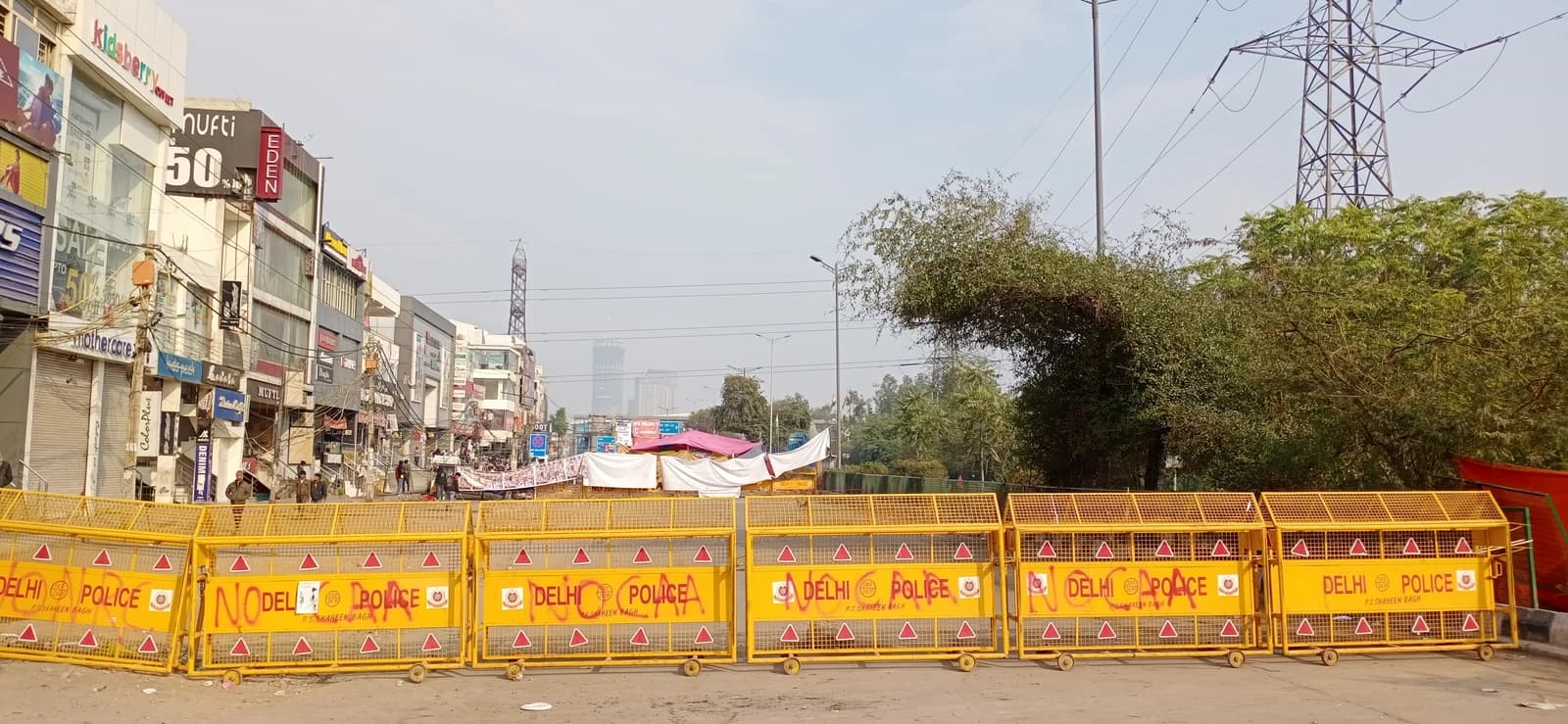
Authorities deployed about 23,000 police officers, canceled several trains and shut 57 metro stations as thousands of demonstrators prepared to gather at Jantar Mantar on Saturday. The heavy security response is aimed at limiting access to what has become one of the most visible flashpoints against Prime Minister Narendra Modi’s government and the Election Commission.
Sentiment IndicatorsⓘProprietary · adalytica.com · October 11, 2026
This is a snapshot — live sentiment, awareness and momentum for 130+ markets update continuously in the dashboard.Open AlphaPulse
The immediate economic issue is not a direct market event, but political stability in India’s capital matters for investor confidence, policy continuity and the pace of reform. A prolonged standoff between the government, election authorities and opposition-backed protesters can add friction to decision-making just as India tries to sustain capital inflows and project an image of administrative strength.
At the center of the dispute is the Special Intensive Revision of voter lists, which authorities say is meant to remove duplicate and ineligible names. More than 130 million names have been removed so far, and millions of people have filed appeals, giving the controversy unusual scale for what began as an electoral housekeeping exercise.
Opposition parties and student-led activists say the clean-up has been applied unevenly and could skew the voter rolls against minority communities and government critics. They want Chief Election Commissioner Gyanesh Kumar to resign, turning the protest into a broader challenge to the credibility of India’s electoral machinery.
The crackdown also shows the government is treating the gathering as a potential security risk. Rail and metro restrictions will make it harder for student supporters and activists to reach the protest site, while police said the measures are intended to maintain order and prevent disruption.
For investors, the key question is whether the dispute stays contained as a law-and-order issue or becomes a longer political drag. India’s markets have generally priced in policy continuity under Modi, but rising street pressure, especially if it feeds into opposition mobilization, can complicate the backdrop for domestic assets and foreign sentiment.
The protests have already shown staying power. A youth-led campaign that started online in May helped force the resignation of the education minister in July after demonstrations over exam paper leaks, and opposition leader Rahul Gandhi has become more visible in the voter-list campaign.
With activists vowing to proceed despite detentions and restrictions, the next test is whether Saturday’s rally remains localized or broadens into a sustained challenge over election integrity and governance.
| Entity | Gains | Losses |
|---|---|---|
| Indian authorities | ▲tighter control | ▼protest visibility |
| Modi government | ▲short-term order | ▼political pressure |
| Protesters/opposition | ▲national attention | ▼access to venue |
| Investors in Indian assets | ▲policy clarity if calm returns | ▼higher political risk |