India’s GST Council has stripped tax officials of arrest powers and raised the prosecution threshold to Rs 5 crore, a major easing of enforcement that businesses have long argued would reduce harassment and improve compliance.
India GST Council eases arrest powers, raises threshold

The move matters because it reshapes how the world’s third-largest economy polices indirect taxes, lowering the risk of criminal action for smaller or technical violations while keeping prosecution focused on larger evasion cases. The Council also removed minimum jail terms in some cases, made fines and imprisonment subject to judicial discretion, and cut the general penalty to Rs 10,000 from Rs 25,000.
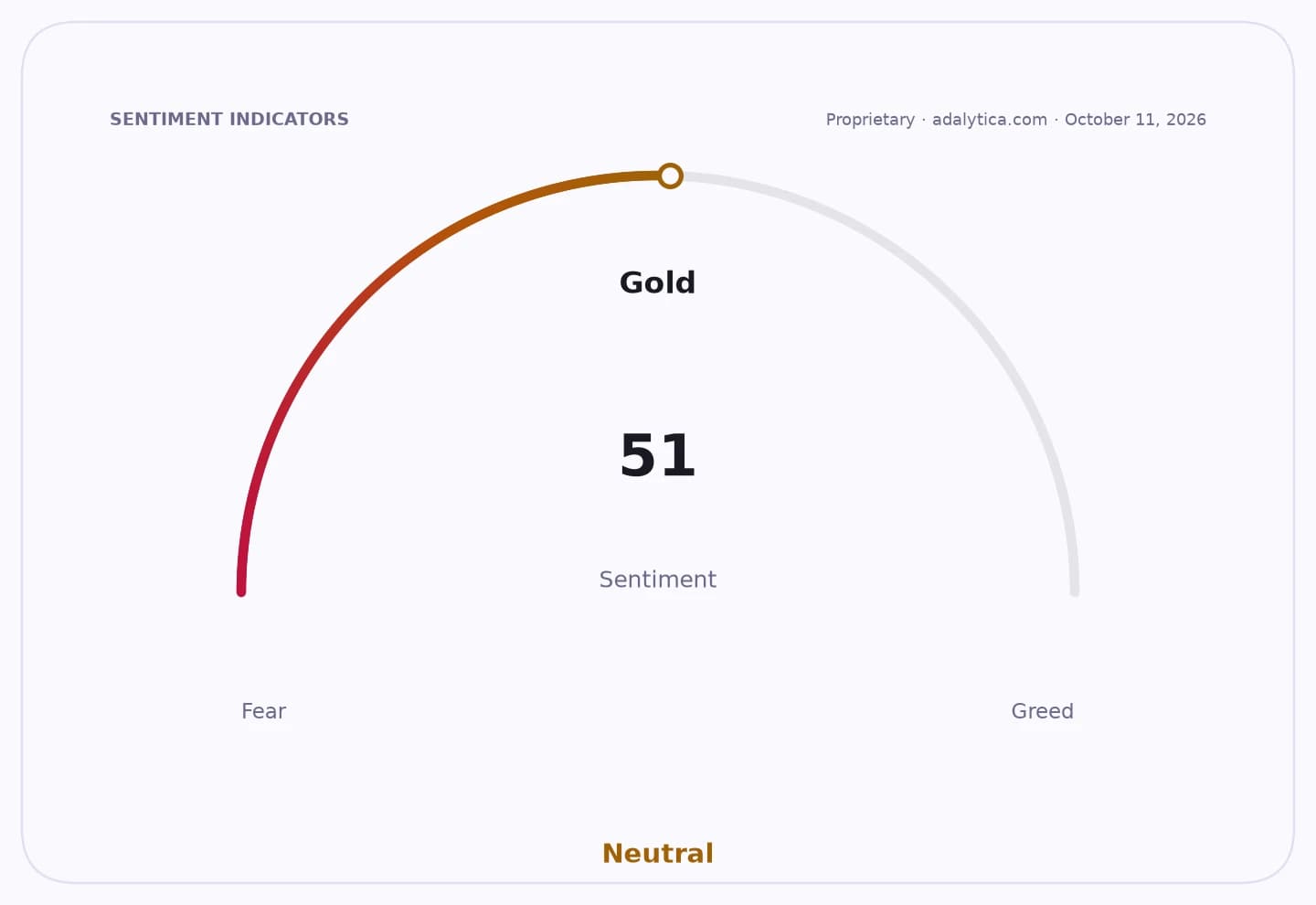
Sentiment IndicatorsⓘProprietary · adalytica.com · October 10, 2026
This is a snapshot — live sentiment, awareness and momentum for 130+ markets update continuously in the dashboard.Open AlphaPulse
For investors, the shift strengthens the case for a more predictable tax regime in India, a key issue for domestic consumption, logistics, retail, manufacturing and technology firms that have spent years navigating frequent GST disputes. Easing arrest risk can also reduce working-capital stress and compliance friction for small and mid-sized businesses, which should support formalization and broader economic activity.
The policy change follows repeated complaints that GST officials were using arrest provisions aggressively, including in cases involving technical errors rather than outright fraud. By narrowing the enforcement window, the government is signaling that GST 2.0 is leaning more toward facilitation than punishment, even as states continue to protect revenue collection.
The Council made the decision in a meeting chaired by Finance Minister Nirmala Sitharaman, with state finance ministers also participating. It left tax rates unchanged, suggesting New Delhi is prioritizing administrative reform over headline rate cuts for now.
The next catalyst will be how quickly the revised rules are notified and implemented, and whether the softer enforcement stance translates into faster refunds, cleaner disputes and better business sentiment.
| Entity | Gains | Losses |
|---|---|---|
| Small businesses | ▲Lower arrest risk | ▼Less leverage for tax officers |
| Corporates | ▲Easier GST compliance | ▼Fewer deterrents for evasion |
| GST taxpayers | ▲More predictable process | ▼Higher scrutiny on large cases |
| Tax authorities | ▲Clearer rules | ▼Reduced enforcement power |