Firecracker prices have surged 30% to 50% across India ahead of Diwali, raising the risk that higher costs will curb festive sales even as demand season approaches.
India firecracker prices jump 30% to 50% before Diwali
The jump matters because firecrackers are a highly seasonal, price-sensitive market: when retail prices rise this sharply, households typically cut volumes, switch to cheaper packs or skip purchases altogether. For small manufacturers and traders, that means a thinner, shorter selling window and weaker turnover just as they must recover elevated input and transport costs.
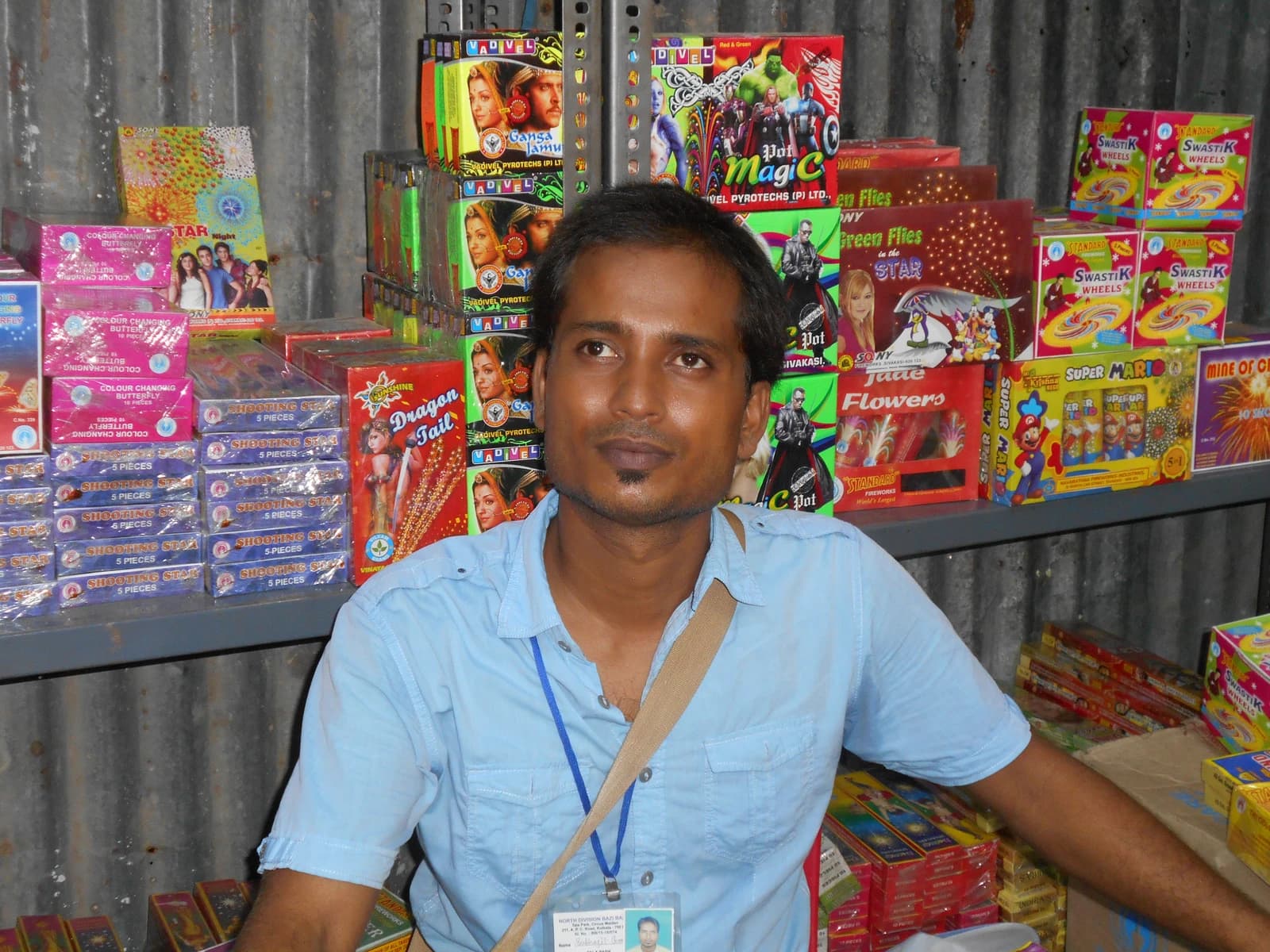
Sentiment Indicators
Manufacturers in Shivakashi, the country’s main firecracker hub, say costs have risen sharply because of more expensive imported chemicals, tighter safety enforcement and higher freight. The Tamil Nadu Fireworks and Amorses Manufacturers Association said raw-material costs have risen by more than 17% this year, with sulfur prices up about 250%. Some makers say total costs have climbed as much as 40%, forcing them to pass on increases even at the risk of losing volume.
Retailers have absorbed some of the shock but not enough to prevent a major sticker price increase. Traders in Mumbai’s Crawford Market, one of the city’s biggest firecracker hubs, said goods arriving from Shivakashi are 30% to 40% more expensive, while wholesale prices are up at least 30%. Diesel, packaging paper, duplex board and transport costs have also gone higher, compounding the squeeze.
The economic implication is broader than one festival category. Firecrackers are a discretionary purchase, so the price jump is another sign that inflation is still biting into consumer budgets even in the festive season. That leaves smaller sellers exposed to inventory risk, lower margins and potentially unsold stock, while larger distributors with better pricing power may fare better.
There is also a safety and regulatory angle. Stricter checks on factories have limited production in Shivakashi, reducing supply relative to demand. That has supported prices, but it also highlights the trade-off between enforcement and output in a sector already vulnerable to illegal manufacturing, accident risk and supply disruptions.
For investors, the story points less to a direct listed-company impact than to a read-through on Indian consumption. Higher festive inflation can dent discretionary spending at the margins and reinforce pressure on smaller merchants. If households buy fewer fireworks, the immediate winners are safety regulators and competing discretionary spends; the losers are manufacturers, wholesalers and retailers dependent on a strong Diwali run.
| Entity | Gains | Losses |
|---|---|---|
| Firecracker manufacturers | ▲Pass through higher costs | ▼Margin pressure and slower volume |
| Retail traders | ▲Preserve some sales at higher prices | ▼Lower inventory turnover |
| Consumers | ▲Better safety awareness | ▼Higher festive spending burden |
| Regulators | ▲Stronger compliance enforcement | ▼Industry output and sales |