India said it has taken note of the International Court of Justice’s finding that Myanmar committed genocide against the Rohingya, underscoring a diplomatic balancing act as pressure mounts on Naypyidaw to allow the safe return of more than 1 million refugees sheltering in Bangladesh.
India notes ICJ ruling on Myanmar genocide case
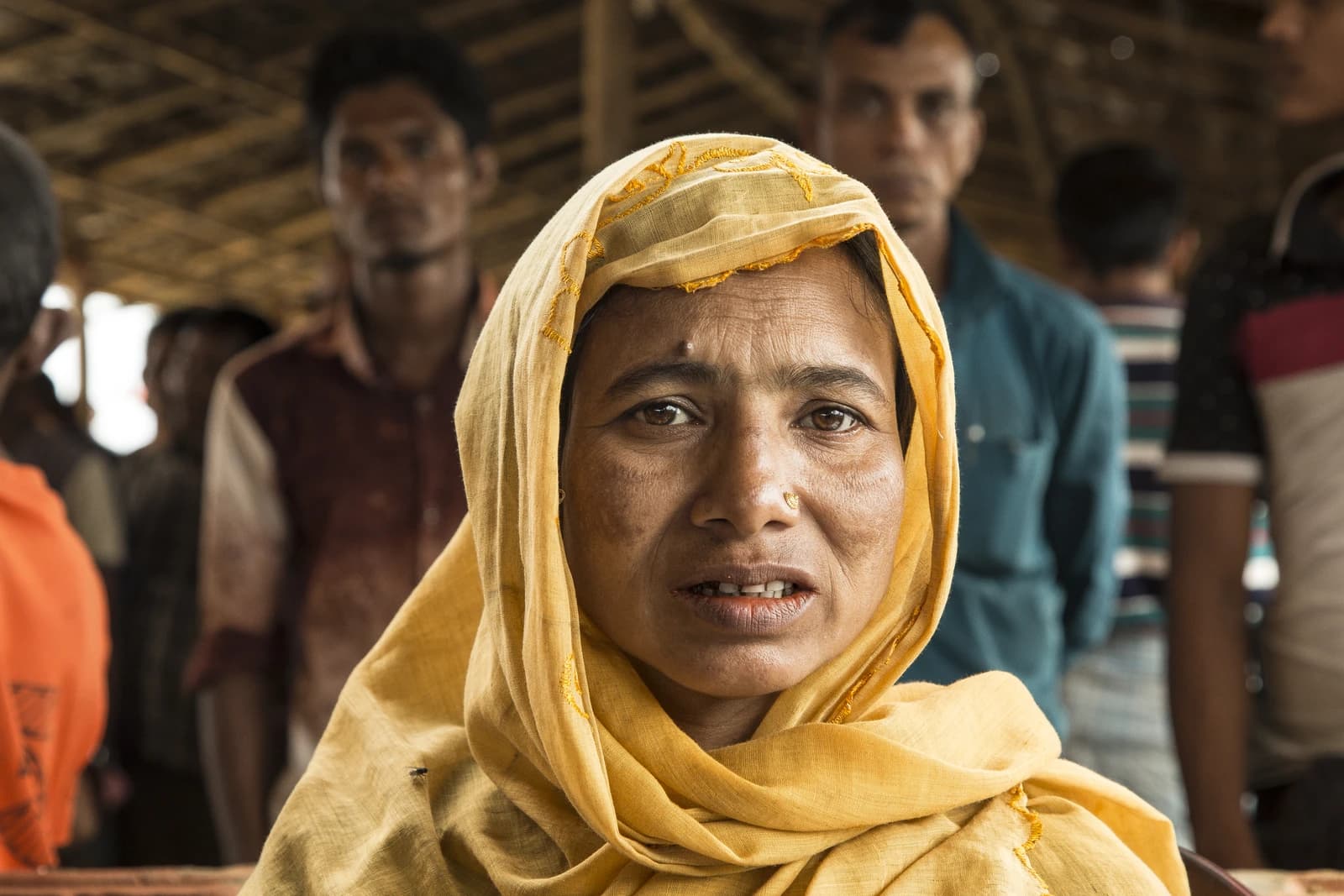
The statement from India’s Ministry of External Affairs matters because New Delhi has long sought to position itself as a stakeholder in stability in the eastern neighbourhood while avoiding an overt rupture with Myanmar, where it has security and connectivity interests. By reiterating support for the “safe, speedy and sustainable return” of displaced Rohingya to Rakhine state, India signalled continuity rather than confrontation, even after the UN’s top court delivered a landmark ruling that intensifies international scrutiny of Myanmar’s military.
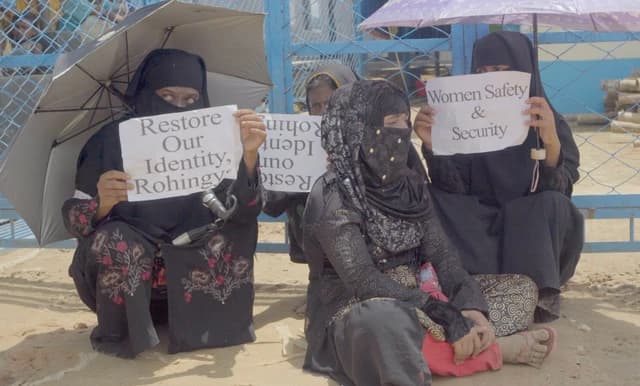
The ICJ’s 9-6 decision is significant economically and geopolitically because the Rohingya crisis has become a persistent regional burden, weighing on Bangladesh’s public finances, humanitarian spending and social stability, while also complicating cross-border development and trade. Any credible path to repatriation would ease pressure on Bangladesh’s aid needs and lower the risk of further spillovers into Southeast Asian migration routes. But the ruling also increases the probability of a prolonged diplomatic standoff, since enforcement depends on Myanmar’s cooperation and the military government has shown little willingness to reverse course.
India’s remarks were also notable for what they included beyond the court ruling: New Delhi pointed to five tranches of relief supplies to Rohingya camps in Bangladesh under Operation Insaniyat and support for the Rakhine State Development Programme in Myanmar. That framing suggests India wants to be seen as backing humanitarian relief and eventual repatriation without endorsing a broader international campaign that could further isolate Myanmar, a country that remains important to India’s border security and its access to Southeast Asia.
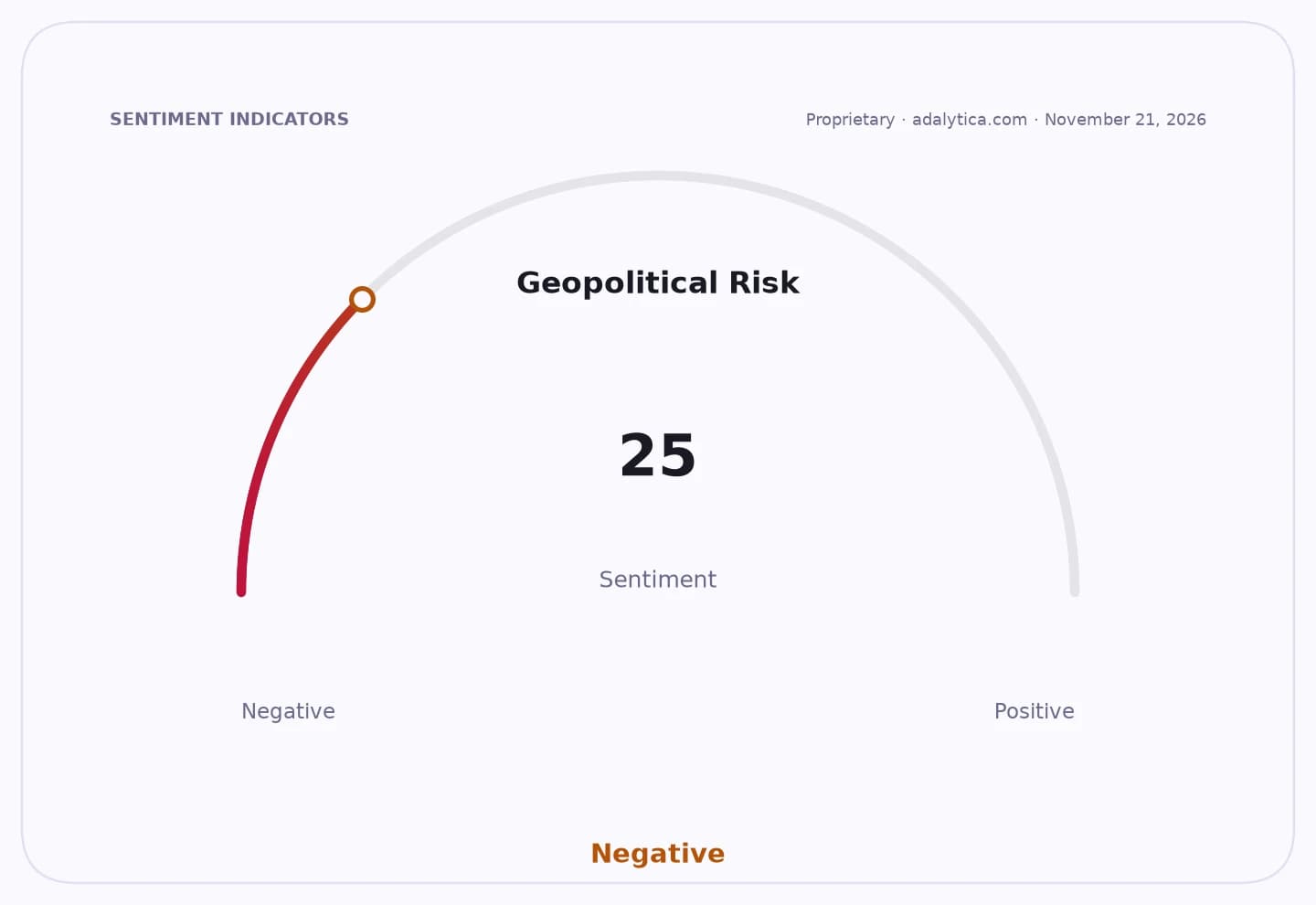
For investors and policy watchers, the ruling adds another layer of geopolitical risk around Myanmar, where instability has already disrupted trade, investment and regional infrastructure plans. It may also sharpen the diplomatic role of Bangladesh, which hosts the largest Rohingya population and is seeking greater international burden-sharing. The practical test now is whether the verdict translates into enforceable pressure on Myanmar or becomes another legal milestone in a crisis that has resisted resolution for nearly eight years.
| Entity | Gains | Losses |
|---|---|---|
| Rohingya refugees | ▲Legal recognition | ▼Slow repatriation |
| Bangladesh | ▲International pressure on Myanmar | ▼Continued refugee burden |
| India | ▲Diplomatic flexibility | ▼Pressure to take clearer stance |
| Myanmar military government | ▲None | ▼Greater isolation |