Bangladesh is discovering a painful truth that should matter to every investor in emerging markets: spending more money on subsidies does not automatically reduce poverty if the cash never reaches the people who need it most.
Bangladesh Poverty Rises as Subsidy Targeting Misses Poor
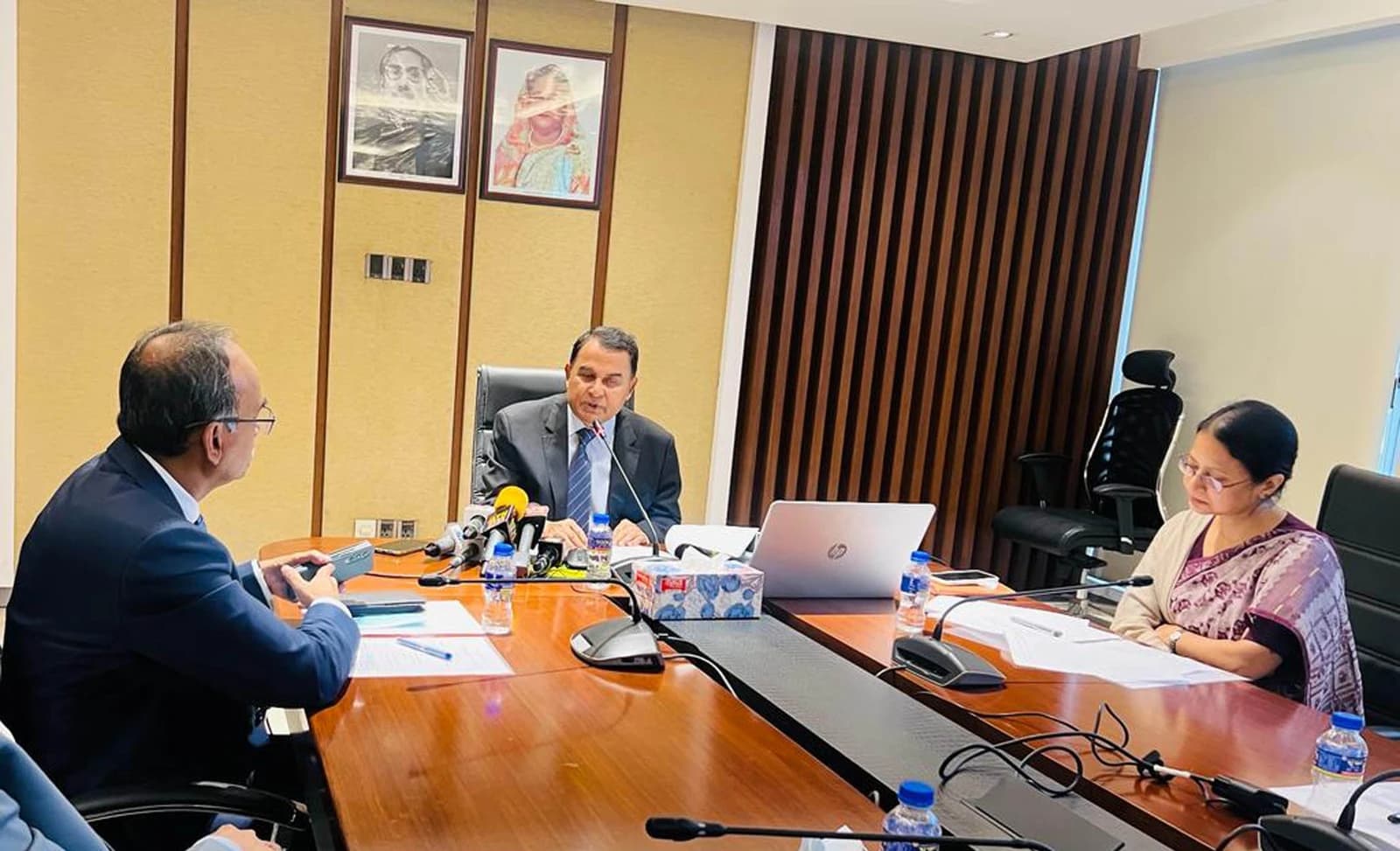
A World Bank assessment says the country spends about 3.5% of GDP, or roughly $17.4 billion a year, on energy, fertilizer and social protection programs, yet nearly half of the poorest households remain outside the safety net. That mismatch helps explain why poverty has risen even as government support has expanded, and why the economy is struggling to regain momentum after years of rapid growth.
The stakes are not just humanitarian. When poverty rises, consumer demand weakens, local businesses sell less, loan delinquencies tend to climb and fiscal pressure builds. Bangladesh’s growth slowed to 3.4% in fiscal 2025-26 from 7.1% in FY22, while private sector credit growth slipped to a 33-year low of 4.5% in June 2026. For a country that depends on manufacturing, remittances and expanding domestic demand, that is a worrying combination.
The report also shows why the current model is inefficient. Bangladesh runs about 90 social protection programs across 25 ministries, creating duplication, poor coordination and uneven eligibility rules. In plain terms, the country is paying for a large welfare system that is badly targeted. The richest urban fifth of households receives nearly half of electricity subsidy spending, while poorer families get a far smaller share. That is not a small policy flaw; it is a structural drain on public finances.
For investors, the message is broader than Bangladesh itself. Weak targeting means subsidies are supporting consumption at the wrong end of the income scale while doing too little to build long-term productivity. The World Bank says better-designed cash transfers and food support, combined with a Family Card system and a dynamic social registry, could cut poverty by 1.72 percentage points and lift about 2.85 million people out of poverty at an additional cost of just 0.21 percentage points of GDP. That is the kind of reform that can improve human capital, stabilize demand and reduce social stress without blowing out the budget.
The problem is urgency. Inflation is still running at 8.7%, food and fuel costs remain heavy on low-income households, and banking stress is making it harder for firms to borrow and expand. Non-performing loans reached 33.2% in June 2026, a level that can choke credit creation and delay job growth. At the same time, government revenue remains weak at 8.3% of GDP, limiting the state’s room to maneuver.
Bangladesh does have one important buffer: record remittances of $35.6 billion in FY26 helped push foreign exchange reserves back above $32 billion. But remittances cannot substitute for a functioning tax base, a cleaner banking system and a welfare structure that actually reaches the poor. If reforms stay slow, the economy may keep growing too weakly to absorb new workers or reverse the rise in poverty.
For long-term investors, the key takeaway is that Bangladesh’s opportunity still exists, but it depends on execution. A country can spend billions and still fail its poorest citizens if the system leaks too much money to the wrong places. The reform agenda is clear: better-targeted subsidies, stronger tax collection, banking cleanup and more efficient social protection. Until those changes take hold, Bangladesh remains a market worth watching, not chasing.
| Entity | Gains | Losses |
|---|---|---|
| Poor households | ▲Better-targeted cash support | ▼Ineffective blanket subsidies |
| Wealthier households | ▲Current subsidy capture | ▼Loss of untargeted benefits |
| Bangladesh government | ▲Fiscal savings from reform | ▼Wasteful spending and weak tax revenue |
| Investors in Bangladesh | ▲Potentially stronger long-term growth | ▼Near-term demand, credit and stability risks |