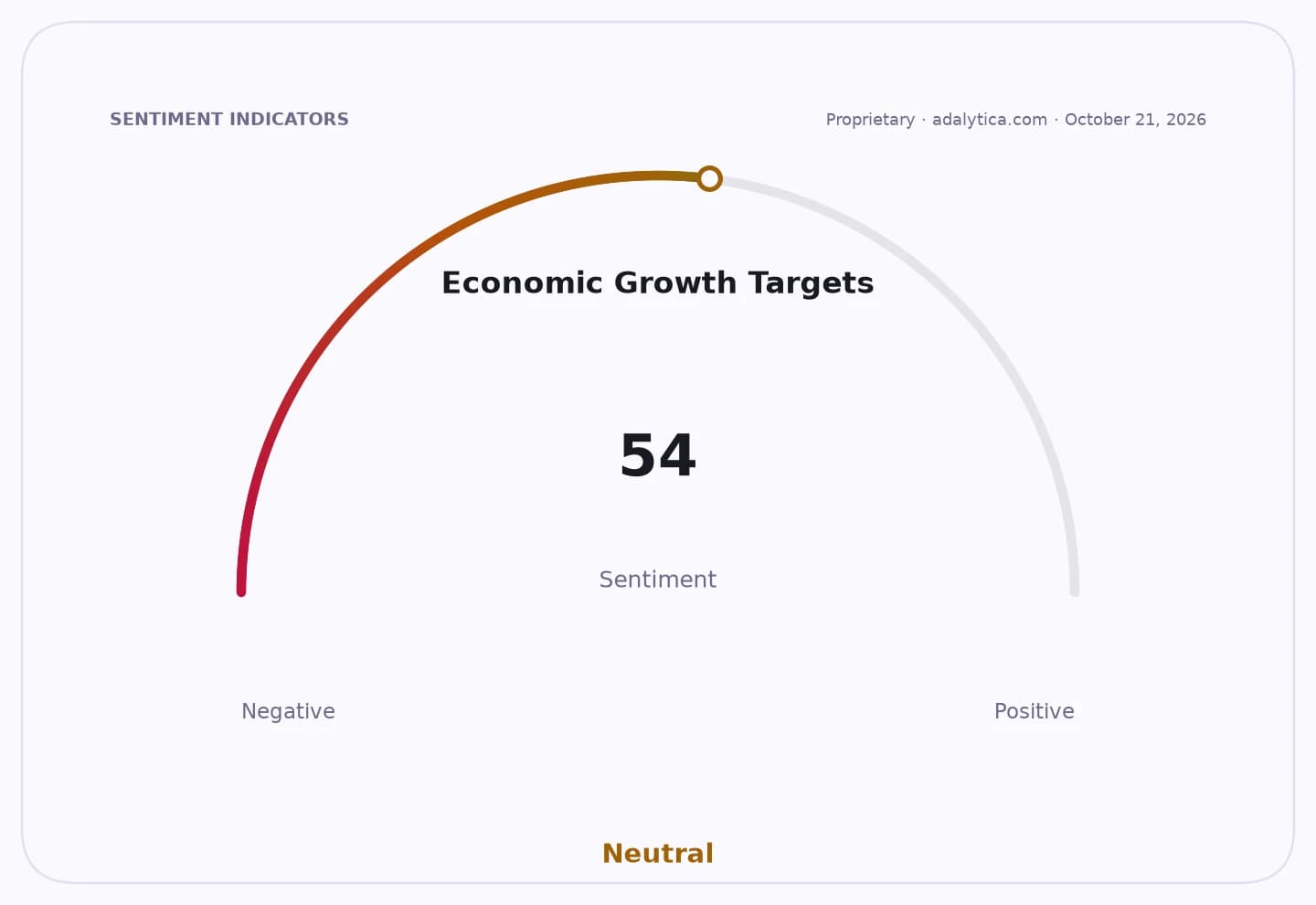
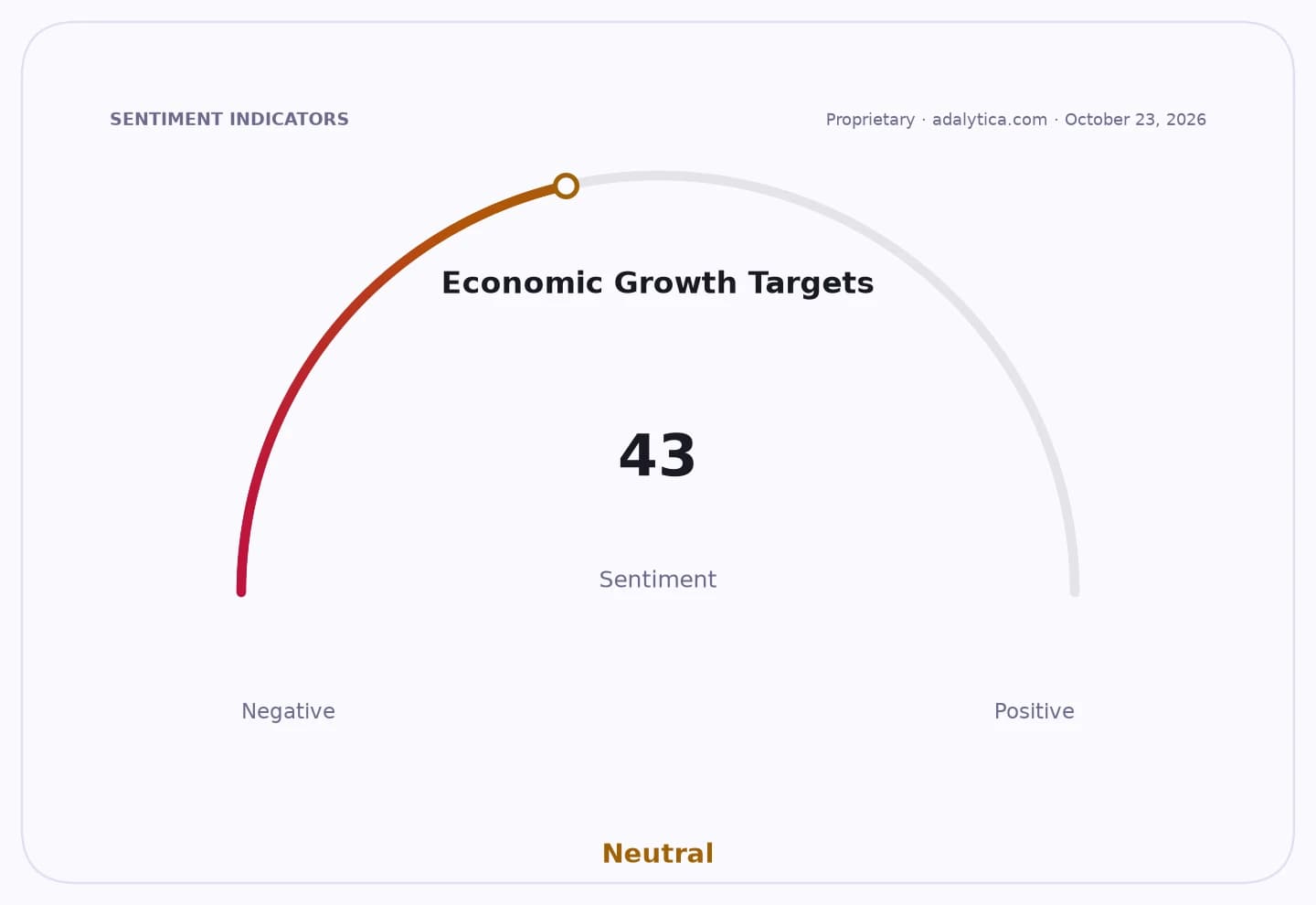
US visa restrictions on Indian tech workers may sting thousands of families, but for India’s $315 billion IT industry the bigger story is not damage — it is the possibility of a long-awaited talent return. If more engineers and students decide the American path is shrinking, India could gain high-skill workers just as artificial intelligence, quantum computing, genetics and space technology are demanding more of them.
India IT Sector May Gain From US Visa Curbs
That is why the latest curbs matter economically. The direct business hit to firms such as Infosys and Wipro looks limited: one estimate cited in the context says Indian IT companies accounted for only about 1,400 PERM applications last year out of nearly 120,000 overall. PERM is the route many H-1B workers use to seek permanent residency in the US, so shutting that door mostly affects individual career plans rather than near-term company revenue.
For investors, the more important issue is whether this accelerates a reverse brain drain. Indian IT still depends on people on the ground for a meaningful share of client delivery, even as remote work and AI reshape the model. If visa pressure pushes experienced workers back home, Indian firms could benefit from a larger domestic talent pool, lower overseas staffing dependence and a better chance to build higher-value work in India instead of merely exporting labor.
That is a meaningful long-term shift for the sector. Infosys, one of the industry bellwethers, remains below its 200-day moving average in the latest price data, even after a recent rebound, while Wipro has also only just recovered above its 50-day trend. Both stocks still reflect a market that is cautious about the growth outlook. Yet visa curbs, painful as they are for employees, could help companies deepen their bench at home and support margins over time if they can convert returning talent into more advanced services.
There are risks. Reputational friction with Washington could widen if immigration restrictions become part of a broader trade and geopolitical dispute between the US and India. The sector also cannot rely on reverse migration alone; it still needs stronger universities, better research capacity and a more capable domestic ecosystem if it wants to keep the best engineers in India for the long run.
Still, the investing lesson is simple: constraints abroad can become a catalyst at home. If India uses this moment to improve its own technology base and absorb returning workers into better-paying, innovation-heavy roles, the latest US visa squeeze may end up strengthening the very industry it was meant to pressure. For long-term investors, that makes India’s top IT exporters worth watching — not trading — as part of a diversified portfolio.
| Entity | Gains | Losses |
|---|---|---|
| India’s IT sector | ▲More returning talent | ▼Short-term visa access |
| Infosys and Wipro | ▲Larger domestic talent pool | ▼Overseas staffing flexibility |
| Indian tech workers | ▲New opportunities at home | ▼US green-card path |
| US employers | ▲Lower immigration pressure | ▼Access to Indian talent |