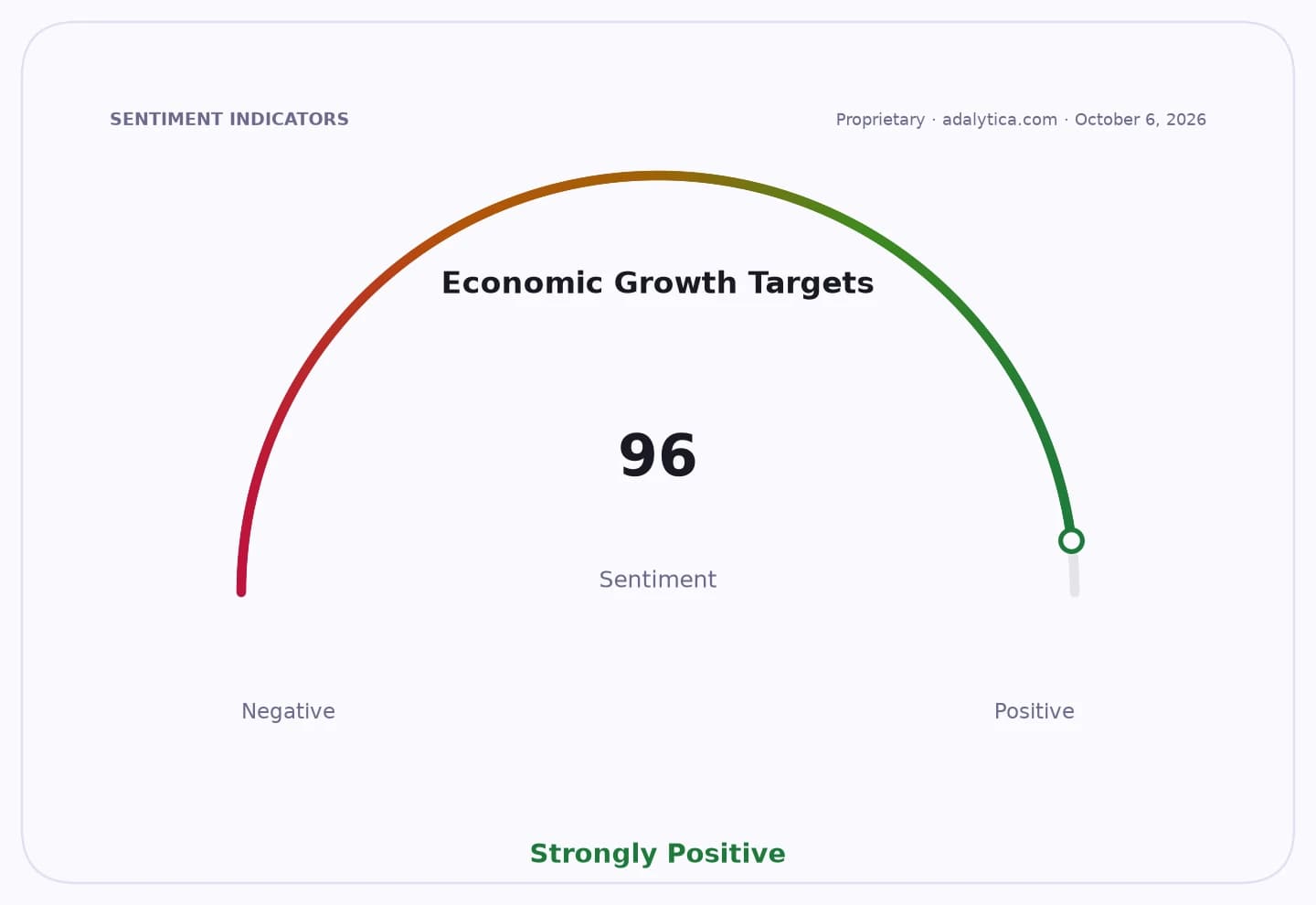
India’s economy may be growing fast enough to keep headlines positive, but not fast enough to absorb its young labor force, according to Nouriel Roubini, who says the country needs growth closer to 9% rather than 7% if it wants to create sufficient jobs.
India growth and jobs gap at 7%
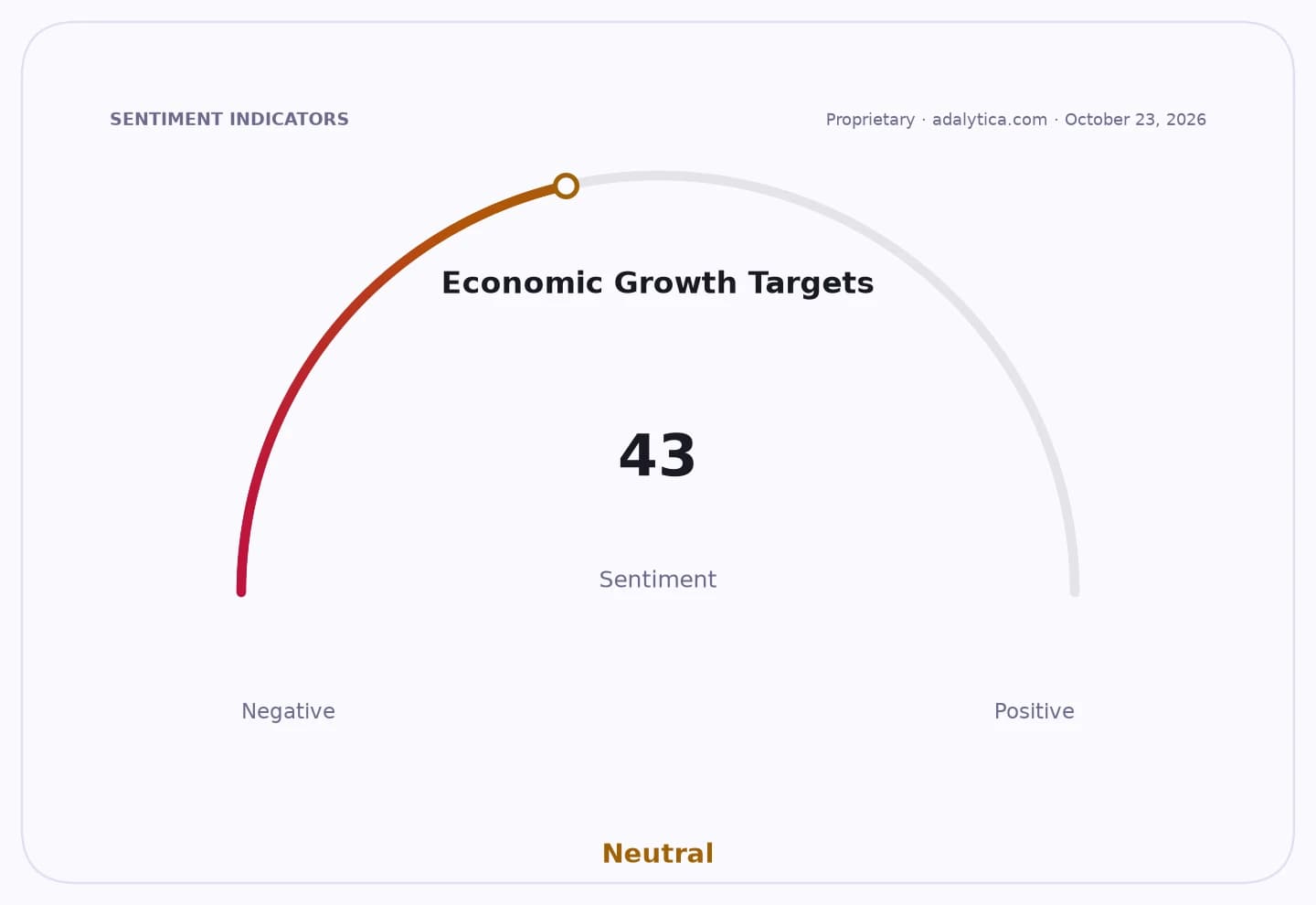
That distinction matters because India’s investment case has increasingly rested not just on size or momentum, but on whether it can convert rapid output gains into mass employment. Roubini’s warning lands at a time when technology is reshaping hiring patterns, making job creation a harder test than GDP growth alone. If the economy expands at 7%, it can still look healthy on paper while leaving a gap between headline growth and labor-market absorption.
Roubini, known for anticipating the 2008 financial crisis, said India’s large domestic market, talent pool and improving macroeconomic fundamentals still make it one of the strongest long-term growth stories. He also argued that the country’s efforts to open its economy and integrate more deeply into global supply chains give it a structural edge as manufacturers look beyond China.
But his core point is that India’s demographic dividend will not automatically translate into broad-based prosperity. As more of the workforce enters the labor market, slower job creation risks turning a growth story into a political and social pressure point. That is especially relevant as artificial intelligence and automation begin to reshape entry-level and middle-skill work across services and industry.
For investors, the message is two-sided. On the bullish side, India remains positioned to benefit from supply-chain diversification, foreign direct investment and a large consumer base that can support multi-year revenue growth for manufacturers, banks and consumer companies. Exchange-traded funds tracking Indian equities, including the iShares MSCI India ETF, have traded in a range that suggests markets still see the long-term story intact even as near-term growth expectations fluctuate.
On the bearish side, if GDP growth settles closer to 7% than 9%, earnings quality could become more uneven. Companies tied to domestic demand may continue to grow, but the broader equity premium on India depends on a labor market and consumption cycle strong enough to sustain operating leverage over time. That is why the debate is less about whether India is growing and more about whether it is growing fast enough to convert scale into employment.
Roubini also tied India’s prospects to geopolitics, arguing that stronger ties with the U.S. would help reinforce the country’s investment appeal, particularly if Washington maintains a more constructive trade stance. For policymakers, that adds another layer to the growth challenge: sustaining foreign capital inflows while building enough domestic capacity to create jobs at scale.
The investment conclusion is straightforward. India remains one of the most compelling long-term emerging-market stories, but Roubini’s 9% benchmark is a reminder that sustainable valuations will depend on whether growth becomes broad enough to support employment, consumption and industrial capacity all at once.
| Entity | Gains | Losses |
|---|---|---|
| India | ▲Long-term investment appeal | ▼If growth stays near 7% |
| Young workers | ▲More jobs if growth accelerates | ▼Employment gap at 7% growth |
| Foreign manufacturers | ▲China-plus-one production base | ▼Delayed supply-chain relocation if policy lags |
| Equity investors | ▲Upside from 9% growth scenario | ▼Valuation risk from weaker job creation |