S&P 500 futures are trading almost in lockstep with the cash index as investors weigh whether a new 13-year U.S. LNG import deal for India could help temper energy costs and support a steadier global inflation backdrop.
India LNG Deal May Ease Inflation Pressures

The spread between ES futures and the SPX cash index remains small, reflecting a market that is still pricing equities off broad macro forces rather than stock-specific catalysts. On the latest close, ES finished at 7,462.0 and the S&P 500 at 7,428.78, a gap of roughly 0.45%, consistent with the usual futures-cash difference driven mainly by funding costs and time to expiry. In normal conditions, that multiplicative difference is determined primarily by interest rates and dividend assumptions, with the futures contract typically carrying a modest premium to the index.

What makes the latest move economically relevant is not the spread itself, but the policy and commodity signal underneath it. India’s cabinet has granted in-principle approval for a 13-year government-to-government agreement to import 78 cargoes of U.S. liquefied natural gas, a move designed to secure supply amid energy uncertainty. For investors, that matters because long-dated LNG contracts can dampen price volatility in one of the world’s fastest-growing energy markets, helping reduce the risk that imported energy shocks feed through into inflation, industrial margins and current-account pressure.
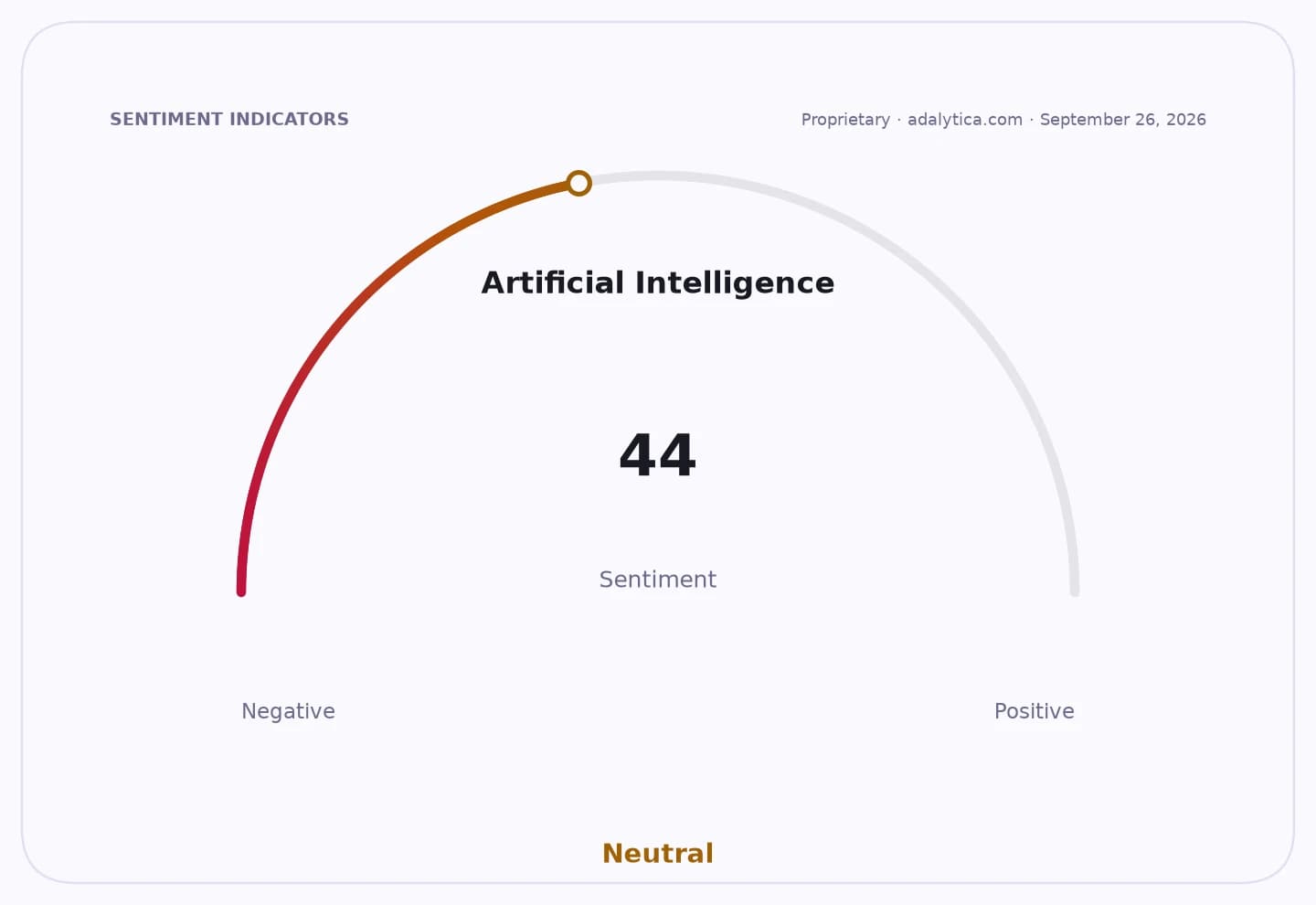
The equity market’s broader tone suggests that message is being absorbed cautiously rather than as a direct earnings catalyst. The S&P 500 is still trading below its 50-day moving average, and the RSI on both ES and SPX has slipped into the low-40s, signaling a market that has cooled after the spring rally and is now lacking a fresh upside impulse. The 200-day moving average remains well below current levels, so the longer-term trend is intact, but short-term momentum has weakened. That leaves investors focused on whether macro developments can stabilize valuations at elevated levels.
For U.S. exporters of LNG, the deal is constructive. It reinforces the case for long-term demand from Asia and supports the investment thesis for North American gas infrastructure, shipping and midstream assets. For India, the benefit is more mixed but strategically important: locked-in supply can improve energy security and help contain import shocks. The downside is that long-dated contracts can also leave buyers exposed if spot LNG prices fall materially, while locking in another layer of fuel dependence at a time when the global transition remains unsettled.
For the broader market, the narrative is that equities are still being steered by the interaction of rates, energy and growth rather than by company-specific earnings alone. If the LNG agreement helps anchor fuel costs, it could modestly ease inflation expectations and support sectors most sensitive to input prices. If global growth slows or energy prices retreat, however, the deal may look more like a supply-security hedge than a near-term market driver.
The key test now is whether the agreement is finalized on schedule and whether energy markets interpret it as part of a broader stabilization in global fuel flows. If so, it would reinforce the case for lower volatility in inflation-sensitive assets. If not, ES and SPX will likely continue to move together, with the futures-cash gap staying close to its normal financing-driven relationship rather than signaling a larger market dislocation.
| Entity | Gains | Losses |
|---|---|---|
| India | ▲Energy security | ▼Spot-price flexibility |
| U.S. LNG exporters | ▲Long-term demand | ▼Pricing leverage if gas falls |
| Energy-intensive importers | ▲Input-cost stability | ▼Bargaining power |
| Equity bulls | ▲Lower inflation risk | ▼No immediate earnings boost |